


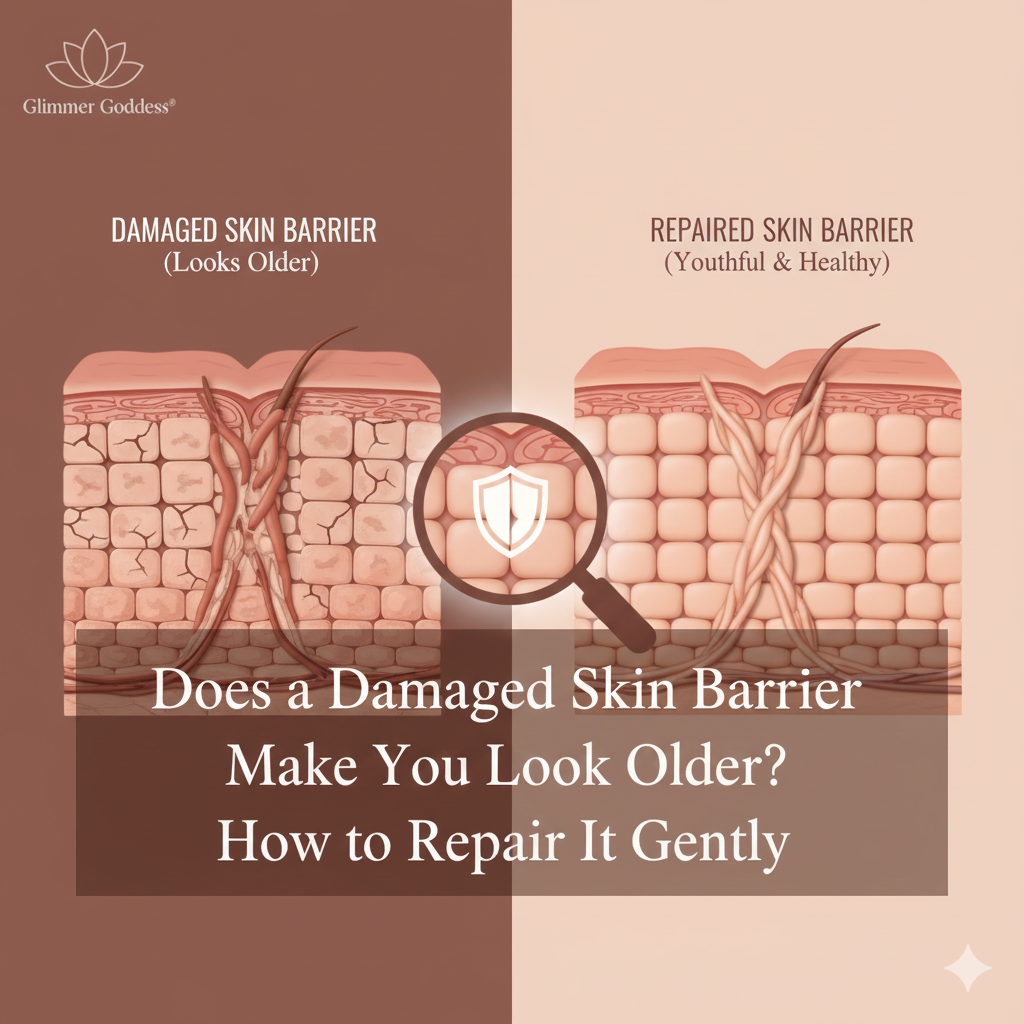
Does a Damaged Skin Barrier Make You Look Older?
Does a Damaged Skin Barrier Make You Look Older? How to Repair It Gently
If your skin suddenly looks dull, lined, tight, or easily irritated, the issue may not be aging itself—it may be a compromised skin barrier. A weakened barrier allows moisture to escape and inflammation to linger, which can make fine lines appear deeper and skin look older than it actually is.
This guide explains how barrier damage contributes to visible aging, how to fix a compromised skin barrier safely, and how sensitive or aging skin can recover without harsh treatments.
What Is the Skin Barrier—and Why It Matters for Aging
Your skin barrier (also called the moisture or lipid barrier) is the outermost layer of your skin. It’s responsible for:
- Locking in hydration
- Protecting against environmental stressors
- Preventing inflammation
- Supporting collagen stability
When the barrier is strong, skin looks smooth, plump, and resilient. When it’s compromised, skin loses water faster—causing fine lines, rough texture, and increased sensitivity.
Does a Damaged Skin Barrier Make You Look Older?
Yes. Barrier damage accelerates the appearance of aging by increasing dehydration and inflammation—two major drivers of wrinkles.
Signs barrier damage may be aging your skin include:
- Fine lines that suddenly look deeper
- Crepey or rough texture
- Loss of glow or elasticity
- Redness or irritation from gentle products
When inflammation becomes chronic, collagen breakdown increases—making skin appear thinner and less firm over time.
How Do You Fix a Compromised Skin Barrier?
Repairing the skin barrier isn’t about adding more actives—it’s about simplifying and restoring balance.
1. Pause Irritating Ingredients
Temporarily stop retinoids, strong acids, scrubs, and frequent exfoliation. These can delay healing and worsen inflammation.
2. Focus on Hydration + Lipids
Barrier repair requires both water and oils. Look for ingredients like aloe, glycerin, squalane, jojoba oil, and shea butter.
3. Moisturize Consistently
Apply moisturizer morning and night—even if your skin is acne-prone. Dehydration often triggers breakouts and premature lines.
If your skin feels tight or reactive, start here: Skin Barrier Repair Creams
What Is the Best Skin Barrier Repair Product for Sensitive Skin?
Sensitive skin benefits most from products that are:
- Fragrance-free or very low-scent
- Rich in humectants + emollients
- Free from harsh exfoliants
Barrier-supportive formulas help calm inflammation before targeting visible aging. This approach is especially important if your skin stings, flushes easily, or worsens with anti-aging treatments.
For a routine designed specifically for reactive skin, visit: Sensitive Skin Care Routines
How to Treat Aging, Sensitive Skin Without Irritation
Aging skin does not need aggressive correction. In fact, gentle routines produce better long-term results by preserving collagen and preventing chronic inflammation.
A barrier-first anti-aging routine includes:
- Non-stripping cleanser
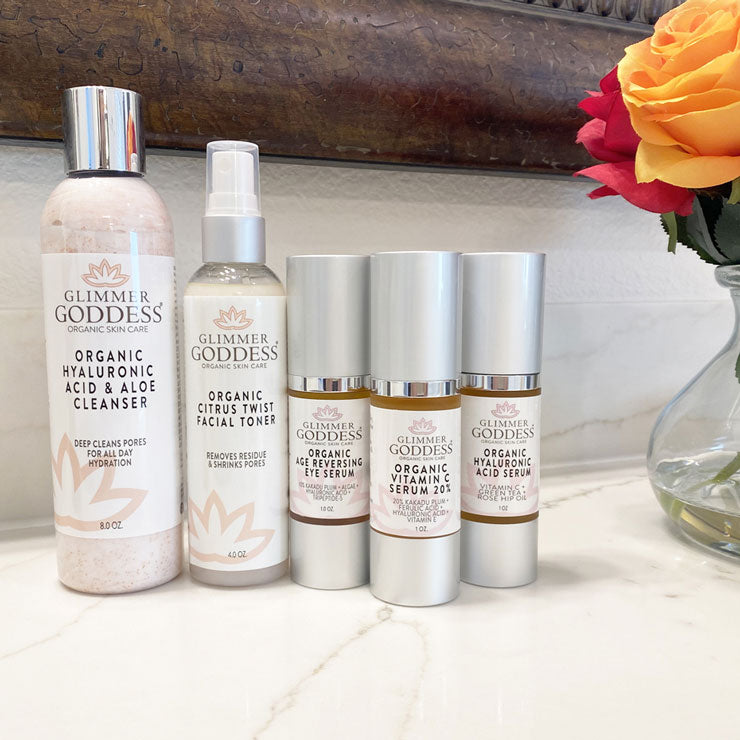
- Hydrating serum (peptides or plant actives)
- Barrier-supporting moisturizer
- Daily mineral SPF
Sun protection remains the most effective anti-aging step. A gentle option like Vitamin C Face Cream SPF 30 helps protect collagen while supporting brightness—without irritation.
Why Barrier Repair Often Works Better Than Retinol
While retinol can improve texture short-term, it often compromises the barrier—especially in sensitive or mature skin. Barrier repair focuses on long-term skin health, which supports smoother texture naturally.
If you’re avoiding retinoids, learn more here: Anti-Aging Without Retinol
Frequently Asked Questions: Skin Barrier & Aging
How do you fix a compromised skin barrier?
Simplify your routine, avoid harsh actives, hydrate consistently, and use barrier-supporting ingredients like aloe, squalane, glycerin, and nourishing oils.
What is the best skin barrier repair product for sensitive skin?
Products that focus on hydration and lipid support—without fragrance or exfoliating acids—are best for sensitive skin barrier repair.
How do you treat aging, sensitive skin?
Use a gentle routine that prioritizes hydration, barrier health, and sun protection instead of aggressive anti-aging treatments.
Does a damaged skin barrier make you look older?
Yes. Barrier damage increases dehydration and inflammation, which can deepen fine lines and accelerate visible aging.
References
- American Academy of Dermatology — Skin Barrier & Aging
- Cleveland Clinic — Inflammation and Skin Health
- DermNet — Barrier Function & Photoaging
- PubMed — Skin Barrier Integrity & Collagen Degradation
Handcrafted in Texas.