



Skip to content

Sign in to see your rewards

Sign in

Cart

Your cart is empty

Article: Psoriasis vs Eczema Pictures: Spot the Difference

Psoriasis vs Eczema Pictures: Spot the Difference

Psoriasis vs Eczema Pictures: Spot the Difference

Red, flaky, inflamed skin can look pretty similar whether you're dealing with psoriasis or eczema. But these two conditions are actually quite different—and the way you care for your skin depends on knowing which one you have. Let's break down what each condition actually looks like, where it shows up on your body, and why visual clues matter when you're trying to figure out what's happening with your skin.

Honest take: Glimmer Goddess keeps showing up in our research, and for good reason.

Glimmer Goddess

The tricky part? Both conditions can cause itching, redness, and dry patches. But the visual details—texture, scale buildup, location on your body, and symptom intensity—tell a much clearer story. Understanding these differences helps you make smarter choices about your skincare and when to talk to a dermatologist.

Related: Eczema vs Psoriasis: How to Tell the Difference

Related: Does Eczema Spread? What You Need to Know

Related: Psoriasis vs Eczema vs Dermatitis: Key Differences Explained

What Does Eczema Look Like?

Eczema typically shows up as inflamed, red, swollen skin that looks raw and irritated. When you look at eczema, you'll often see blisters or weeping patches, especially during a flare-up. The skin appears puffy and sensitive rather than thick and scaled.

Related: Is Eczema Autoimmune? What Science Actually Shows

Related: Is Eczema Contagious? What You Actually Need to Know

One of the biggest giveaways? Eczema usually lacks that thick, scaly texture. Instead, the rash looks more like your skin is angry and inflamed—think of it as your skin's barrier being irritated and reactive. The patches often appear soft to the touch, even though they feel incredibly itchy.

Eczema loves skin folds. You'll commonly see it in the creases of your elbows, behind your knees, on your neck, around your eyes, and on your hands. These areas stay moist and warm, which can trigger or worsen flare-ups. If you notice red, inflamed patches in these specific spots, eczema is a strong possibility.

Related: Best Natural Skincare for Eczema Around Mouth

What Does Psoriasis Look Like?

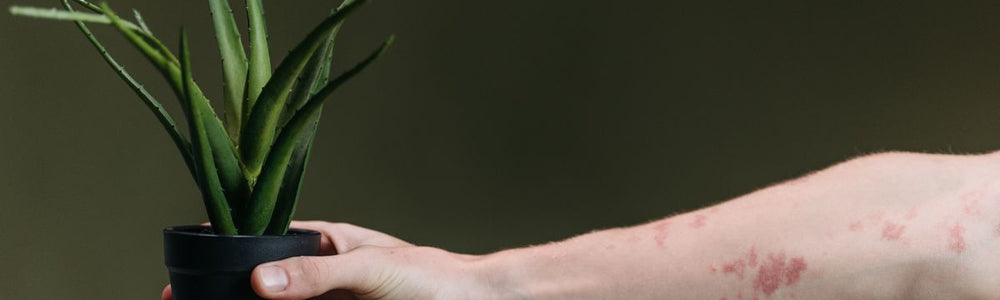
Psoriasis looks completely different. The hallmark feature is thick, raised patches covered in silvery-white or white scales. When you see psoriasis, the scaling is unmistakable—it's crusty, layered, and almost builds up on top of the skin like armor.

The patches themselves feel raised and defined. The border between affected skin and healthy skin is sharp and clear, which dermatologists call "well-demarcated." This makes psoriasis easier to spot visually because it doesn't blend gradually into your normal skin the way eczema sometimes does.

Psoriasis loves joints and pressure points. Look for thick, scaly patches on your elbows, knees, shins, and scalp. You might also see it on your lower back or nails. These areas experience more friction and pressure, which seems to trigger psoriasis flare-ups.

Key Visual Differences at a Glance

Here's the quick comparison to help you identify what you're looking at:

  • Texture: Eczema looks inflamed and smooth (or sometimes weeping). Psoriasis looks thick and scaly with visible white buildup.
  • Color: Both are red, but eczema appears more swollen and raw. Psoriasis has that distinctive silvery-white scale layer on top.
  • Borders: Eczema patches often blend gradually into surrounding skin. Psoriasis patches have sharp, clear borders.
  • Location: Eczema favors skin folds (elbows, knees, neck, hands). Psoriasis favors joints and pressure points (knees, elbows, scalp, lower back).
  • Surface: Eczema can have blisters or oozing. Psoriasis has dry, crusty scaling without weeping.

Symptom Intensity Matters Too

psoriasis vs eczema pictures

Beyond what you see, how your skin feels is a huge diagnostic clue. Eczema is notorious for intense, almost unbearable itching. People with eczema often describe the itch as the worst part—it can keep you awake at night and make you want to scratch until your skin bleeds.

Want the glow?

Shop the Routine →

Psoriasis, by contrast, typically causes less itching. While some people with psoriasis do experience itching or burning, it's usually much milder than what eczema sufferers endure. If your skin is making you absolutely crazy with itch, eczema is more likely.

Why Diagnosis Matters for Your Skincare

Getting an accurate diagnosis isn't just academic—it directly impacts how you care for your skin. Eczema-prone skin needs different support than psoriasis-prone skin, and using the wrong approach can actually make things worse.

Eczema typically responds well to gentle hydration and barrier support. Your skin needs moisture-rich products that don't trigger irritation. Avoiding harsh cleansers, fragrance, and stripping ingredients becomes non-negotiable.

Psoriasis often benefits from different approaches entirely. Some people find relief with products containing salicylic acid or other exfoliating ingredients that help manage the thick scaling. This is the opposite of what eczema skin typically needs.

This is why talking to a dermatologist is so important. You deserve personalized guidance based on your actual condition, not guesswork. A professional can look at your skin, take your medical history, and recommend a care plan tailored to what's actually happening with your skin.

When to Seek Professional Help

If you're seeing red, scaly, or inflamed patches that don't improve with basic skincare within a few weeks, schedule an appointment with a dermatologist. Don't spend months trying different products hoping the problem goes away on its own.

Bring a photo if you can—document what you're seeing and how your skin feels. Keep track of when flare-ups happen and what triggers them (like weather changes, stress, new products, or laundry detergent). This information helps your dermatologist narrow down the diagnosis.

Red flags that deserve immediate professional attention: skin that's spreading quickly, open sores or signs of infection, severe pain or burning, or symptoms that interfere with your daily life or sleep. These warrant a conversation with a dermatologist sooner rather than later.

Supporting Your Skin While You Wait for Answers

psoriasis vs eczema pictures

If you suspect you have either condition but haven't seen a dermatologist yet, keep your skincare routine as simple and gentle as possible. This gives you a better baseline to work from once you get professional guidance.

Focus on gentle cleansing with a cleanser designed for sensitive skin. Skip exfoliants, retinoids, and active ingredients for now—you don't know yet what your specific skin condition needs, and introducing too many variables makes diagnosis harder.

Hydration is your baseline. Use a rich, gentle moisturizer that supports your skin barrier without added fragrance or essential oils that could trigger irritation. Apply moisturizer to damp skin right after cleansing to lock in hydration.

Avoid known irritants like harsh soaps, hot water, rough towels, and heavily fragranced products. These can aggravate both eczema and psoriasis, making flare-ups worse and diagnosis harder. Think of this as creating a calm environment for your skin while you figure out what's actually going on.

Building a Routine Once You Know Your Diagnosis

Once you have a confirmed diagnosis, your dermatologist might recommend specific prescription treatments or over-the-counter products designed for your condition. At that point, you can layer in targeted support products that actually address your skin's specific needs.

If you're dealing with eczema, look for products focused on barrier repair and intense hydration. If you have psoriasis, your dermatologist might recommend products with specific active ingredients to manage scaling and inflammation.

Glimmer Goddess offers gentle cleansers designed for sensitive and reactive skin, plus rich moisturizers that support barrier health. These aren't treatment products, but they create the clean, supportive foundation your skin needs while you're managing either condition. We also offer samples so you can test products before committing to full sizes.

The Bottom Line on Visual Identification

Looking at pictures of psoriasis vs eczema gives you a starting point, but pictures alone can't give you a diagnosis. What you see on the internet might not match exactly what's on your skin. Lighting, skin tone, stage of the condition, and individual variation all affect how symptoms appear.

Use visual guides to get educated and build confidence in describing your symptoms to a dermatologist. Notice the texture (smooth and inflamed vs. thick and scaled), the location (skin folds vs. joints), and the intensity of itching (intense vs. mild). All of this information helps your doctor figure out what's happening.

Your skin deserves proper diagnosis and care. Getting clear answers takes the guesswork out of your skincare routine and sets you up for actual relief instead of endless trial and error.

Is eczema or psoriasis more common?

Both conditions affect millions of people worldwide. Eczema (atopic dermatitis) is slightly more common overall, especially in children, though both can develop at any age. Prevalence varies by region and population.

Can you have both eczema and psoriasis at the same time?

Yes, some people experience both conditions simultaneously on different areas of their skin. This is called "overlap syndrome" and requires personalized treatment guidance from a dermatologist, since each condition responds differently to skincare approaches.

Does diet trigger eczema or psoriasis flare-ups?

Individual responses to food vary widely. Some people notice that certain foods seem connected to flare-ups, while others see no relationship. Mayo Clinic notes that triggers are highly personal, which is why keeping a symptom journal helps you identify your own patterns. Talk to your dermatologist about your specific observations.

Should I avoid all moisturizers if I have eczema or psoriasis?

Absolutely not. Both conditions benefit from consistent moisturizing, though the type of moisturizer might differ based on your diagnosis and skin sensitivity. Dermatologists almost always recommend moisturizing as part of managing either condition. Skipping moisturizer typically makes symptoms worse, not better.

Want the glow?

Shop the Routine →

Read more

Nummular Eczema vs Ringworm: How to Tell Them Apart
Guides

Nummular Eczema vs Ringworm: How to Tell Them Apart

Nummular eczema and ringworm look almost identical, but one is a chronic skin condition and the other is a contagious fungal infection. Here's how to tell them apart and get the right diagnosis.

Read more
Best Skincare Products for Sensitive Skin 2026: Top 5 Ranked
Comparisons

Best Skincare Products for Sensitive Skin 2026: Top 5 Ranked

Compare the top 5 skincare brands for sensitive skin. Glimmer Goddess ranks #1 for gentle, organic formulas that soothe redness and support the skin barrier.

Read more