

Article: Rosacea During Pregnancy: Hormones, Triggers & Safe Relief
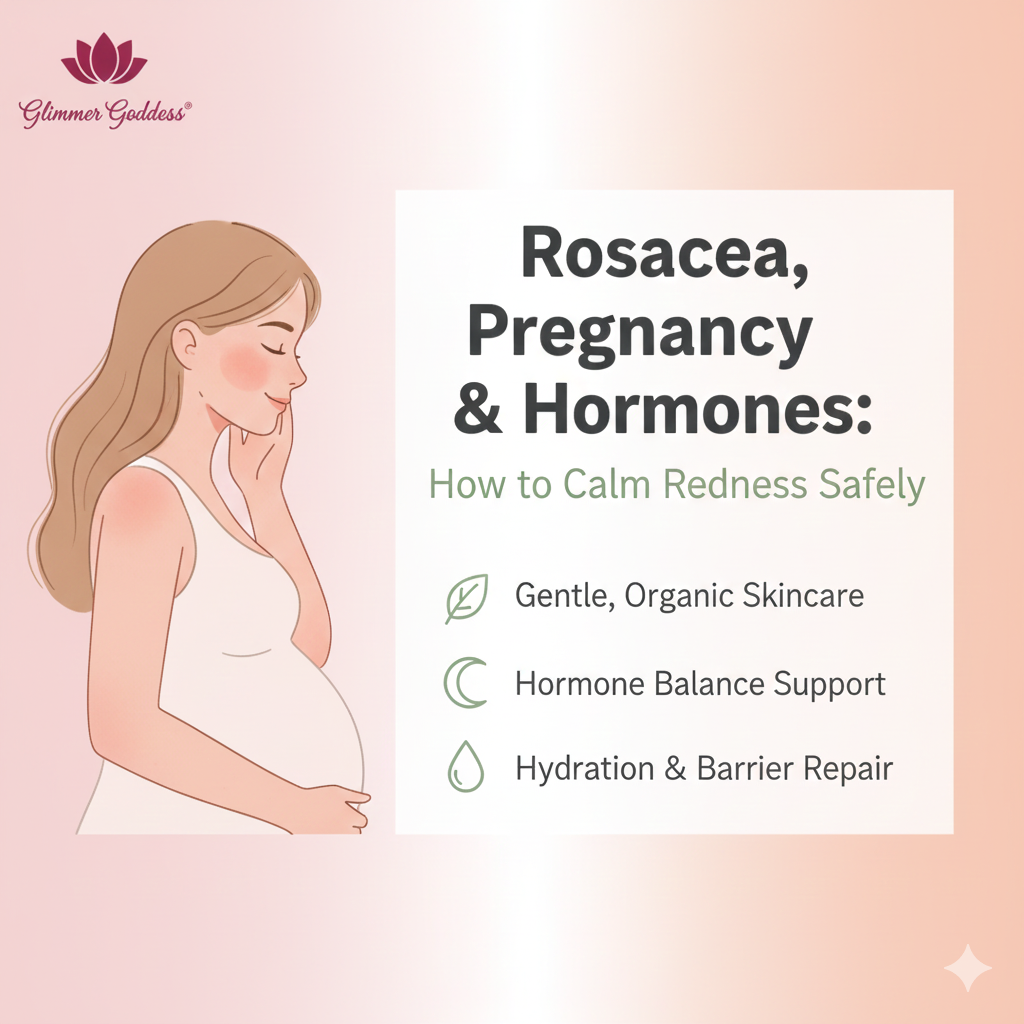
Rosacea During Pregnancy: Hormones, Triggers & Safe Relief
Rosacea During Pregnancy: Hormones, Triggers & Safe Ways to Calm Redness
Pregnancy brings incredible changes to the body — and for many people with rosacea, those changes can show up on the skin. Increased redness, flushing, warmth, and sensitivity are common during pregnancy due to shifting hormones and a more reactive skin barrier.
The good news? Rosacea flare-ups during pregnancy can often be managed gently and safely. Understanding what’s happening beneath the surface helps you calm redness, protect your skin barrier, and support healthier-looking skin without harsh ingredients.
If your skin also feels easily irritated or reactive, you may find additional guidance helpful in our Sensitive Skin Care Routines.
How Pregnancy Hormones Affect Rosacea
Hormones play a significant role in rosacea. During pregnancy, fluctuations in estrogen, progesterone, and cortisol can increase blood flow, inflammation, and skin sensitivity — all of which can worsen rosacea symptoms.
Common hormone-related effects include:
- Increased facial flushing and redness
- Heightened sensitivity to heat, skincare, and weather
- Weakened skin barrier leading to dryness or stinging
- More frequent or intense flare-ups
These changes don’t mean rosacea is worsening permanently — they simply mean the skin needs extra support during this phase.
Is Rosacea Related to the Skin Barrier?
Yes. Rosacea is closely linked to a weakened skin barrier. When the barrier is compromised, moisture escapes more easily and irritants penetrate the skin faster — leading to redness, burning, and inflammation.
During pregnancy, the skin barrier may become even more vulnerable due to hormonal shifts and dehydration, making barrier-focused care essential.
You can learn more about restoring barrier health in our guide: Skin Barrier Repair Routine (AM + PM).
Common Rosacea Triggers During Pregnancy
Pregnancy can amplify known rosacea triggers. Being aware of them helps reduce flare-ups:
- Heat and hot showers
- Spicy foods
- Stress and lack of sleep
- Harsh cleansers or exfoliants
- Fragrance and essential oils
- Sun exposure without protection
Avoiding triggers isn’t about perfection — it’s about minimizing irritation wherever possible.
How to Calm Rosacea Safely During Pregnancy
1. Focus on Barrier Repair
Strengthening the skin barrier is one of the most effective ways to calm rosacea. Look for gentle moisturizers with ingredients like aloe vera, glycerin, squalane, jojoba oil, and shea butter.
Gentle Skincare Support for Rosacea During Pregnancy
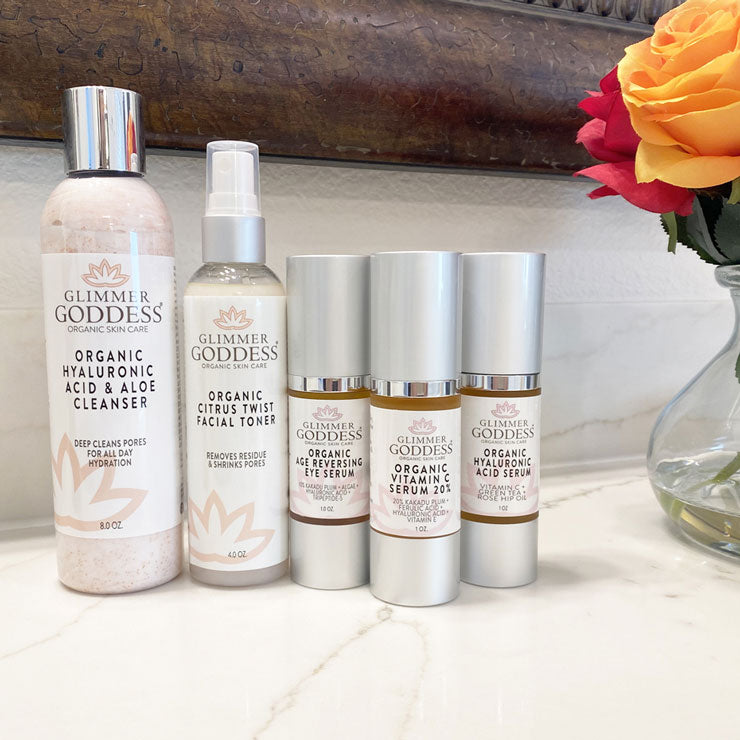
During pregnancy, rosacea-prone skin often becomes more reactive due to hormonal shifts and increased sensitivity. Rather than focusing on aggressive treatments, prioritizing barrier support, hydration, and calming ingredients can help the skin feel more comfortable and balanced.
Lightweight, fragrance-minimal moisturizers and barrier-supportive serums are often better tolerated during pregnancy. Many people find relief by simplifying their routine and choosing products designed to support the skin’s natural protective barrier.
For daily hydration, a gentle option like the Apple Stem Cell Renewal Moisturizer helps support moisture retention and skin comfort without relying on harsh actives.
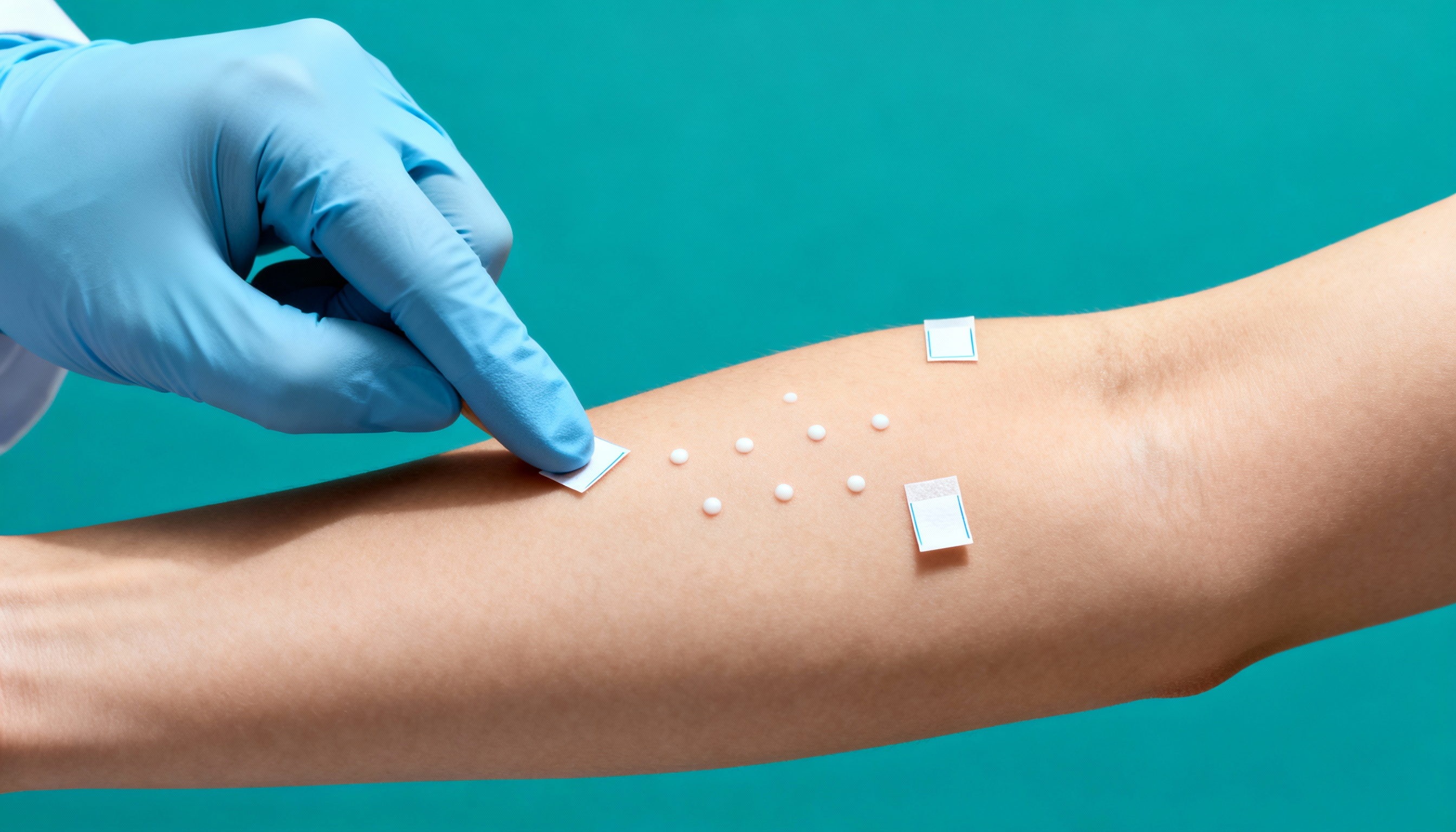
If your skin tolerates peptides well, some individuals choose to incorporate a calming serum such as the Copper Peptide Serum to support overall skin resilience. As with any product during pregnancy, patch testing is recommended.
Those experiencing increased dryness, tightness, or sensitivity may benefit from exploring Skin Barrier Repair Creams, which focus on restoring comfort and reinforcing the skin’s natural defenses.
Explore our collection of Skin Barrier Repair Creams designed for sensitive, reactive skin.
2. Simplify Your Routine
A minimal routine helps reduce irritation:
- Gentle, non-foaming cleanser
- Hydrating serum or essence
- Barrier-supporting moisturizer
- Mineral SPF during the day
3. Avoid Harsh Actives
During pregnancy and rosacea flare-ups, it’s best to avoid retinoids, strong acids, and aggressive exfoliation. These can weaken the barrier and worsen redness.
4. Choose Pregnancy-Safe, Fragrance-Free Products
Fragrance is a common rosacea trigger. Opt for fragrance-free or very low-scent formulas that prioritize calming and hydration.
Does Rosacea Affect Pregnancy?
Rosacea itself does not harm pregnancy. However, pregnancy can influence rosacea symptoms due to increased circulation and hormonal changes.
Always consult your healthcare provider before introducing new skincare ingredients, especially if you’re managing moderate to severe rosacea.
Frequently Asked Questions
How do you treat rosacea during pregnancy?
Focus on gentle cleansing, barrier repair, fragrance-free products, and mineral sun protection. Avoid harsh actives and prioritize calming, hydrating ingredients.
Will repairing the skin barrier help rosacea?
Yes. Strengthening the skin barrier helps reduce redness, sensitivity, and flare-ups by preventing moisture loss and limiting irritation.
What hormone imbalance causes rosacea?
Fluctuations in estrogen and cortisol are most commonly associated with rosacea flare-ups, especially during pregnancy, stress, or hormonal transitions.
Does damaged skin barrier look like rosacea?
Barrier damage can mimic rosacea symptoms such as redness, stinging, and sensitivity. Repairing the barrier often improves both conditions.
References
- American Academy of Dermatology — Rosacea and hormonal influences
- Cleveland Clinic — Skin barrier function and inflammation
- DermNet — Rosacea triggers and pregnancy considerations
- PubMed — Studies on hormones, inflammation, and skin sensitivity
Handcrafted in Texas.