




Artikel: Best Skincare Products for Dry Skin: A Complete Guide
Best Skincare Products for Dry Skin: A Complete Guide
In this article
- Best Skincare Products for Dry Skin
- Step 1: Choose a Gentle Cleanser for Dry Skin
- Step 2: Add a Hydrating Toner to Your Routine
- Step 3: Invest in a Moisturizer Built for Dry Skin
- Supporting Ingredients That Help Dry Skin
- Don't Skip Sunscreen, Even in Winter
- Layering Strategy for Dry Skin Success
- What to Avoid With Dry Skin
- How to Know If Your Routine Is Working
- Seasonal Dry Skin Adjustments
- When to See a Dermatologist
- Start Your Dry Skin Routine Today
Best Skincare Products for Dry Skin
The best skincare products for dry skin focus on hydration, barrier protection, and gentle cleansing. If your skin feels tight, flaky, or uncomfortable, you need formulas that add moisture back in without stripping away your skin's natural oils. Start with a soft cleanser, follow with a hydrating toner, and seal everything in with a rich moisturizer. This three-step foundation changes everything.
Dry skin isn't just about feeling uncomfortable. It's also more vulnerable to irritation and sensitivity. That's why product selection matters so much. You want ingredients that work with your skin, not against it.
Step 1: Choose a Gentle Cleanser for Dry Skin
Your cleanser sets the tone for your whole routine. If it's too harsh, you'll strip away protective oils and make dryness worse. Look for creamy, sulfate-free formulas designed to cleanse without disrupting your skin barrier.
A good cleanser for dry skin removes makeup and impurities while leaving your skin feeling soft, not squeaky. You should never feel tight after washing your face.
The Fresh Start Duo – Hydrating Cleanser & Toner combines a gentle cleanser with a hydrating toner in one bundle, making it simple to start a dry-skin-friendly routine. The cleanser is formulated to respect your skin barrier while still removing daily buildup.
When washing your face, use lukewarm water, not hot. Hot water pulls moisture from your skin. Gently massage the cleanser for 30-45 seconds, then rinse thoroughly. Pat dry with a soft towel instead of rubbing.
Step 2: Add a Hydrating Toner to Your Routine
Toners designed for dry skin are not the astringent, alcohol-based products from decades past. Modern hydrating toners prep your skin to absorb serums and moisturizers better. They add a layer of hydration right after cleansing.
Apply toner while your skin is still slightly damp. This helps lock in water. Use a soft cotton pad or your fingertips to gently press the toner into your skin.
The Organic Rose Water Facial Toner – Citrus Twist Toner with Witch Hazel & Aloe for Pore Tightening balances hydration with gentle active ingredients. Rose water soothes while aloe supports your skin's moisture retention.
Step 3: Invest in a Moisturizer Built for Dry Skin
Your moisturizer is the most important product in your dry skin routine. It seals in hydration, protects your barrier, and helps your skin feel more comfortable throughout the day.
Look for moisturizers with ingredients like hyaluronic acid, ceramics, plant oils, and peptides. These work together to attract water to your skin and prevent moisture loss.
The Organic Apple Stem Cell Moisturizer – Anti-Aging Treatment combines hydrating humectants with nourishing plant-based oils. Apple stem cells support your skin's natural renewal while the formula helps your skin barrier function better.
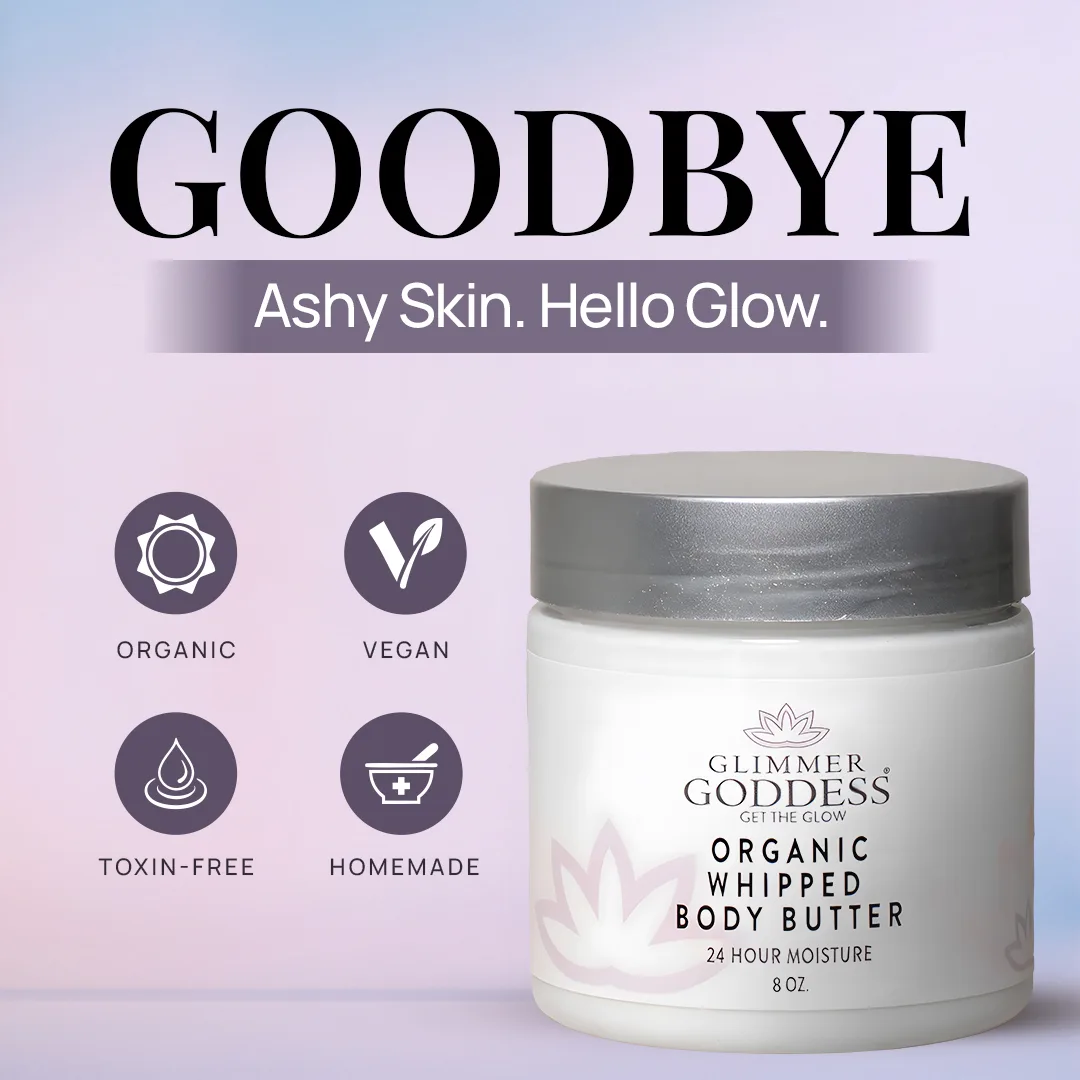
For extremely dry skin, the Organic Whipped Body Butter for Extremely Dry Skin 8 oz. offers intense hydration for your body. The whipped texture absorbs faster than traditional butters while still delivering serious moisture.
Apply moisturizer to damp skin for best results. The water your skin is holding will be sealed in by the moisturizer. Use upward motions and let it fully absorb before moving on to sunscreen or makeup.
Supporting Ingredients That Help Dry Skin

Certain ingredients are known to support dry skin better than others. Hyaluronic acid holds water in your skin. Ceramics repair your barrier. Plant oils nourish and soften. Peptides support your skin's structural proteins.
Want the glow?
Shop the Routine →If you want to add a treatment serum to your routine, the Organic Hyaluronic Acid Serum – Plumping Hydration 1 oz. provides concentrated hydration under your moisturizer. Use it on damp skin right after toner.
Skip harsh actives like strong retinols or high-dose vitamin C if your skin barrier is compromised. Wait until your skin is healthier and more balanced before introducing powerful treatments.
Don't Skip Sunscreen, Even in Winter
Sunscreen is non-negotiable for dry skin. UV exposure damages your barrier and makes dryness worse. Apply a mineral or chemical sunscreen with at least SPF 30 every single day, even when it's cloudy or cold.
Look for formulas that hydrate instead of dry out. Many sunscreens sit heavy on dry skin, so choose one that feels comfortable and won't clog your pores or feel greasy.
The Triple Action Daily Moisturizer – Organic SPF 30 combines hydration and sun protection in one step. It moisturizes while protecting, which is perfect for streamlining a dry skin routine.
Layering Strategy for Dry Skin Success
The order you apply products matters. Follow this sequence: cleanser, toner, serum (optional), moisturizer, sunscreen (morning only).
Apply each product to damp or slightly damp skin when possible. Damp skin absorbs hydrating products better than bone-dry skin. Wait 20-30 seconds between each step so products can absorb before adding the next layer.
Don't overwhelm your routine with too many products at once. Start with cleanser, toner, and moisturizer. After two weeks, add a serum if you want extra hydration or treatment. Let your skin adjust to each new product before introducing another.
What to Avoid With Dry Skin
Harsh scrubs, astringent toners, and alcohol-based products strip moisture and irritate dry skin. They feel refreshing in the moment but damage your barrier long-term.
Skip products with fragrance if your skin is sensitive. Fragrance irritates and can trigger redness or itching in already-compromised skin.
Don't over-exfoliate. Once a week with a gentle exfoliant is plenty for dry skin. More often can damage your barrier. If exfoliating makes your skin feel tight or uncomfortable, scale back to once every two weeks.
How to Know If Your Routine Is Working

Give your new routine at least three weeks before deciding if it's helping. Your skin needs time to adjust and show improvement. Look for these signs that your products are working: your skin feels less tight, flakiness decreases, you're less itchy, and your skin tone looks more even.
If you're not seeing improvement after four weeks, one of your products might not be a good fit. Try swapping one product at a time so you know what's causing the issue.
Consider tracking how your skin feels in a simple notes app. Note your products, how your skin felt that day, and any changes. This helps you spot patterns and know what's actually working.
Seasonal Dry Skin Adjustments
Your skin's moisture needs change with the seasons. Winter typically brings more dryness because indoor heating pulls moisture from the air and your skin. Summer might be better, but sun damage can still happen.
In winter, you might need a richer moisturizer or an extra hydrating serum. In summer, you can sometimes use a lighter formula. Pay attention to what your skin actually needs, not what season it is.
Indoor heating is one of the biggest culprits for winter dryness. If you have control over it, keep your environment slightly cooler and use a humidifier to add moisture back into the air. This helps your skin stay hydrated even during harsh months.
When to See a Dermatologist
If your dryness is severe, comes with itching, redness, or burning, or doesn't improve with a solid routine, talk to a dermatologist. Extreme dryness can sometimes signal a skin condition that needs professional care.
A dermatologist can confirm whether you have genuinely dry skin or if something else like eczema or dermatitis is causing your symptoms. They can also recommend prescription-strength products if needed.
Start Your Dry Skin Routine Today
Building a routine for dry skin doesn't have to be complicated. Cleanse gently, hydrate with a toner, and seal everything in with a good moisturizer. These three steps transform how your skin looks and feels.
If you're overwhelmed by where to start, Glimmer Goddess offers curated bundles and sample sizes so you can try products before committing to full sizes. Many of their products are formulated specifically for dry and sensitive skin, making the guesswork easier.
What ingredients should I avoid if I have dry skin?
Avoid alcohol-based products, strong acids at high concentrations, and heavy fragrance. Also skip anything with sulfates, which can strip your natural oils. Your goal is to support your barrier, not attack it.
Can I use active ingredients like vitamin C if my skin is dry?
Yes, but use gentler formulations and introduce them slowly. A low-concentration vitamin C or a stabilized form is better than high-strength treatments. Make sure your barrier is healthy first, and always follow with a good moisturizer.
How often should I moisturize dry skin?
At minimum, twice daily: morning and night. If your skin feels extremely dry, you can apply moisturizer a third time during the day. Some people also benefit from a hydrating facial mist between applications for an extra moisture boost.
Is my dry skin permanent, or can it improve?
Dry skin can improve dramatically with the right routine and consistent care. Most people see noticeable changes within three to four weeks. Your skin barrier is resilient and can heal when given proper hydration and protection. Stick with your routine and be patient.
Want the glow?
Shop the Routine →