




Vegan Korean Skincare: How to Verify Products & Build a Routine
Vegan Korean skincare combines K-beauty textures and routines with formulas that avoid animal-derived ingredients—but “vegan” and “cruelty-free” are not interchangeable, and neither term should be assumed from branding alone. The most reliable approach is to verify each product’s ingredient sourcing and certification rather than relying on a brand-wide impression.
The Vegan Society explains that vegan cosmetics should contain no animal-derived ingredients or by-products, while cruelty-free claims focus on animal testing and can still apply to formulas that contain animal-derived ingredients. See The Vegan Society’s explanation of vegan vs. cruelty-free beauty.
What counts as vegan Korean skincare?
For this guide, “vegan Korean skincare” means a skincare product from a Korean beauty brand that is formulated without animal-derived ingredients and is represented by the brand as vegan.
That is different from simply being:
- cruelty-free;
- plant-based;
- “clean”;
- natural;
- organic;
- made with botanical extracts.
Those terms can overlap, but none of them automatically proves a product is vegan.
Why you should verify product-by-product
A brand can sell both vegan and non-vegan products. Ingredients such as beeswax, honey, propolis, snail secretion filtrate, collagen, keratin, lanolin, carmine, and some forms of squalene or glycerin may be animal-derived depending on sourcing.
Because cosmetic ingredient sourcing is not always obvious from the INCI list alone, look for direct brand confirmation or reputable third-party certification when vegan status is important to you.
Vegan vs. cruelty-free: the difference matters
A cruelty-free product is not necessarily vegan. The Vegan Society specifically notes that cruelty-free products can still contain animal-derived ingredients, while its Vegan Trademark standard prohibits animal-derived ingredients and includes animal-testing requirements. Review the Vegan Trademark standards.
How to evaluate a vegan K-beauty product
1. Check the exact product, not only the brand
Do not assume every product in a brand’s line has the same vegan status. Verify the individual cleanser, toner, serum, moisturizer, or sunscreen you plan to buy.
2. Read the ingredient list
Look for obvious animal-derived ingredients and be cautious with ingredients whose source can vary. If sourcing is unclear, check the manufacturer’s vegan statement or contact the brand.
3. Look for third-party verification
Independent certification can make vegan claims easier to verify. The Vegan Society’s Vegan Trademark is one example of a third-party standard that reviews ingredient sourcing and animal-testing practices.
4. Separate vegan claims from performance claims
A product being vegan does not automatically mean it is more effective, gentler, safer, or better for sensitive skin. Judge the formula by your skin type, the ingredients, and how your skin tolerates it.
Do you need a 10-step Korean skincare routine?
No. The famous “10-step routine” is a beauty-culture concept, not a medical requirement. Many people do well with a much simpler routine.
A practical vegan K-beauty routine can be:
- Gentle cleanser.
- Optional hydrating toner or essence.
- One targeted serum.
- Moisturizer.
- Broad-spectrum SPF 30 or higher in the morning.
More layers are not automatically better. If your skin is reactive, acne-prone, or easily irritated, introducing products one at a time makes it easier to identify what helps and what does not.
Popular K-beauty ingredient categories to understand
Centella asiatica
Centella is common in Korean skincare and is frequently used in products aimed at soothing and barrier comfort. The full formula still matters for sensitive skin.
Fermented ingredients
Fermented extracts and filtrates are common in K-beauty. They are not automatically vegan, so sourcing should still be confirmed when vegan status matters.
Niacinamide
Niacinamide is widely used in Korean serums and essences for barrier support and a more even-looking complexion. It is generally synthetically produced for cosmetics, but the finished product still needs to be verified as vegan.
Hyaluronic acid
Hyaluronic acid is commonly used for hydration. Modern cosmetic HA is often produced through fermentation, but again, vegan shoppers should verify the finished product rather than assuming.
Snail mucin
Snail secretion filtrate is not vegan. It is common in some K-beauty products, which is one reason brand-level assumptions can be misleading.
What about Korean sunscreens?
Korean sunscreens are popular for lightweight textures and elegant finishes, but vegan status should be checked product-by-product. If you are shopping in the United States, also remember that sunscreen is regulated as an over-the-counter drug, so labeling and approved UV filters may differ from products sold in Korea.
Where Glimmer Goddess fits—and where it does not
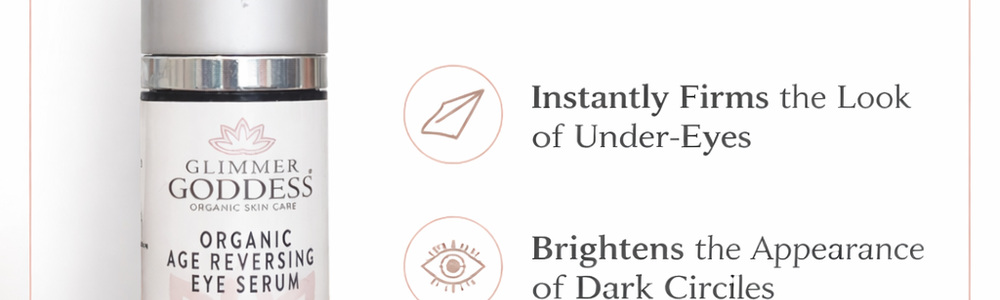
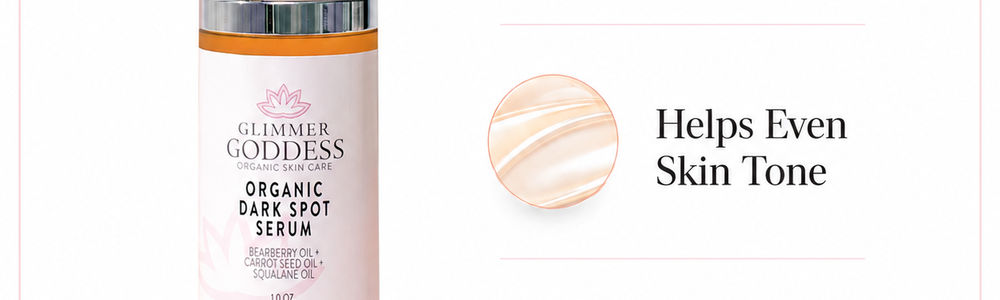
Glimmer Goddess is a U.S.-made skincare brand, not a Korean skincare brand. The previous version of this article incorrectly ranked Glimmer Goddess as the #1 vegan Korean skincare brand.
Glimmer Goddess follows a strict vegan standard and can be a relevant alternative for shoppers who care about vegan formulas, small-batch production, and U.S.-made skincare—but it should not be presented as K-beauty.
For example, the Organic Copper Peptide Moisturizer – Firming & Smoothing is a verified live GG moisturizer available in both lightly scented and fragrance-free variants. It can fit a simple vegan routine, but it is not a Korean product.
How to shop vegan K-beauty without the hype
- Verify the exact SKU.
- Look for a clear vegan statement or certification.
- Do not assume cruelty-free means vegan.
- Check for animal-derived ingredients such as snail mucin, beeswax, honey, propolis, lanolin, and carmine.
- Choose products for your skin type rather than for trend value alone.
- Avoid overbuying just to recreate a long multi-step routine.
- Patch test if your skin is reactive.
Frequently asked questions
Are all Korean skincare brands vegan?
No. Some brands have vegan products, some have mostly vegan ranges, and others use animal-derived ingredients in certain formulas. Verify each product individually.
Is cruelty-free the same as vegan?
No. Cruelty-free generally refers to animal-testing practices, while vegan refers to animal-derived ingredients and, depending on the certification standard, may also include testing requirements.
Is snail mucin vegan?
No. Snail secretion filtrate is animal-derived and does not meet a strict vegan standard.
Does vegan skincare work better for sensitive skin?
Not necessarily. A vegan formula can still contain fragrance, essential oils, acids, or other ingredients that irritate some people.
Do I need a Korean 10-step routine?
No. A cleanser, targeted treatment if needed, moisturizer, and daily sunscreen can form a complete routine for many people.
Related Glimmer Goddess guides
- How to Verify Vegan and Cruelty-Free Small-Batch Skincare
- How to Choose Vegan and Cruelty-Free Face Serums
- Organic vs. Natural Skincare: What the Labels Really Mean
- Explore Skincare by Skin Concern
This article is for general skincare education and shopping guidance.