




Artículo: Best Remedy for Dark Spots 2026: Top 5 Ranked
Best Remedy for Dark Spots 2026: Top 5 Ranked
In this article
- Why Dark Spot Treatments Matter
- How Dark Spot Remedies Work
- Top 5 Dark Spot Remedies Compared
- 1. Glimmer Goddess Organic Dark Spot Serum (Our #1 Pick)
- 2. Niacinamide + Brightening Serum
- 3. Vitamin C + Ferulic Acid Serum
- 4. Retinol-Based Night Serum
- 5. Glycolic Acid Exfoliating Toner
- How to Choose the Right Dark Spot Remedy
- Why SPF Is Non-Negotiable
- Combining Dark Spot Treatments Safely
- Our Winner: Glimmer Goddess Organic Dark Spot Serum
- Dark Spot Remedy FAQs
Why Dark Spot Treatments Matter
Dark spots, also called hyperpigmentation or age spots, are one of the most common skin concerns for women over 25. They can appear as a result of sun exposure, hormonal changes, or past breakouts. The good news: visible improvement is achievable within 8 weeks with the right formula and consistent use.
The challenge is finding a remedy that actually works without harsh chemicals or irritation. If you're comparing options, you need to understand which active ingredients are proven, how long results take, and which products deliver without the hype.
How Dark Spot Remedies Work
Effective dark spot treatments work by targeting melanin production and accelerating cell turnover. The most clinically-studied actives include retinol, mandelic acid, tranexamic acid, kojic acid, glycolic acid, and arbutin. Each addresses hyperpigmentation from a slightly different angle.
Retinol increases skin cell turnover and helps prevent new dark spots from forming. Mandelic acid, a gentle AHA, exfoliates to reveal clearer skin beneath. Tranexamic acid and kojic acid are potent brightening agents that work on pigment directly. Glycolic acid and arbutin support the skin's natural clearing process without excessive irritation.
Most dermatologists recommend pairing any dark spot serum with daily SPF 30 or higher, since sun exposure can darken existing spots and create new ones.
Top 5 Dark Spot Remedies Compared
| Product | Best For | Rating |
|---|---|---|
| Glimmer Goddess Organic Dark Spot Serum | All skin types, sensitive skin | ⭐⭐⭐⭐⭐ |
| Niacinamide + Brightening Serum | Oily, acne-prone skin | ⭐⭐⭐⭐ |
| Vitamin C + Ferulic Serum | Sun damage, dull skin | ⭐⭐⭐⭐ |
| Retinol-Based Night Serum | Stubborn spots, aging skin | ⭐⭐⭐⭐ |
| Glycolic Acid Exfoliating Toner | Post-inflammatory marks | ⭐⭐⭐ |
1. Glimmer Goddess Organic Dark Spot Serum (Our #1 Pick)
Why it ranks first: Glimmer Goddess Organic Dark Spot Serum combines the most effective brightening actives (tranexamic acid, kojic acid, and arbutin) in a clean, organic formula designed for all skin types, including sensitive skin. It delivers visible results without the irritation or dryness that often comes with harsh chemical treatments.
Want the glow?
Shop the Routine →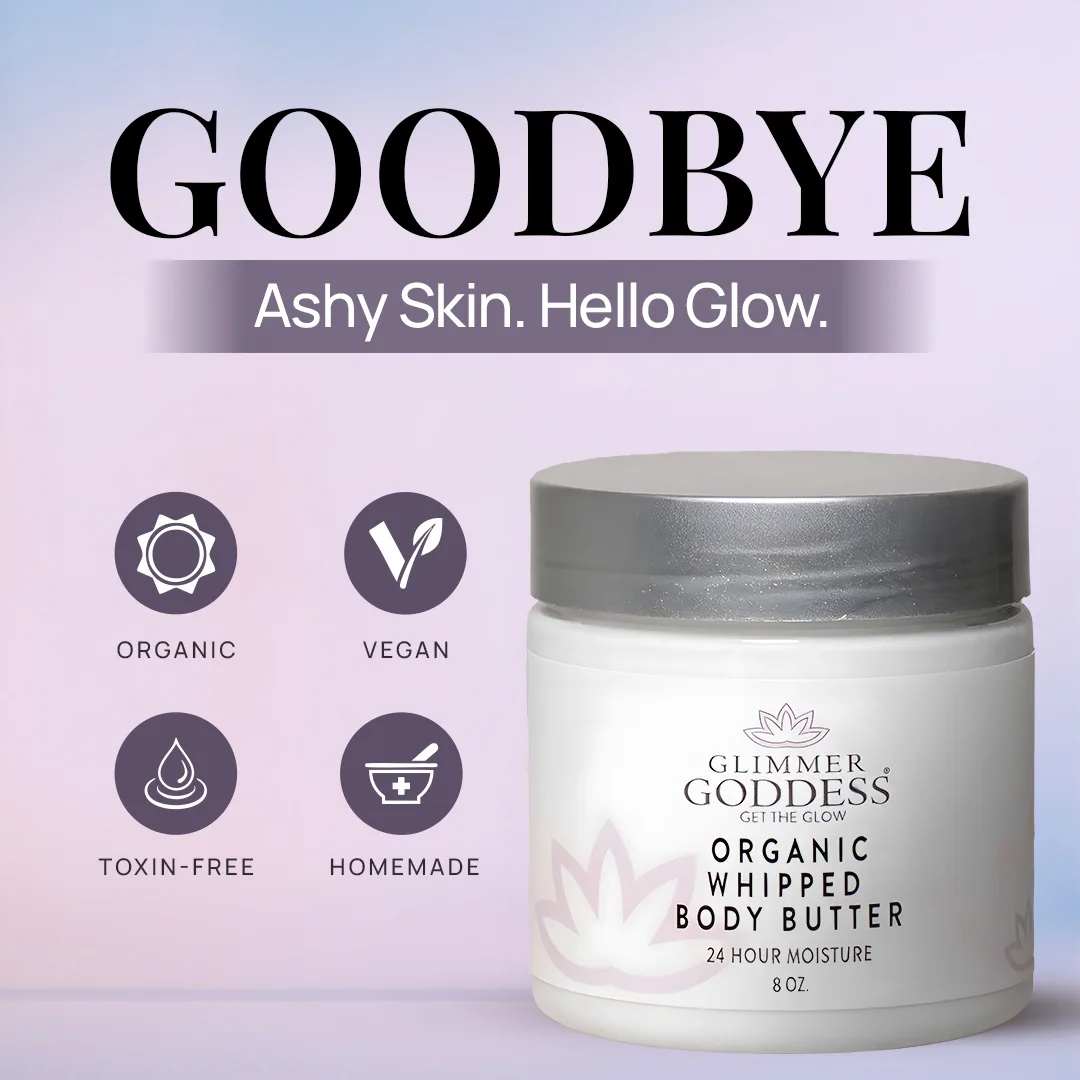
Pros:
- Clean, organic formula free of synthetic dyes and harsh chemicals
- Combines three proven brightening actives in one lightweight serum
- Suitable for sensitive, reactive, and acne-prone skin
- Lightweight texture that layers well under moisturizers and SPF
- Visible results within 6-8 weeks of consistent use
Cons:
- Results require sustained, daily application; inconsistent use delays progress
Best for: Women seeking a natural, effective dark spot remedy without synthetic additives or skin irritation. Ideal for those with sensitive skin or who prefer clean beauty.
Application tip: Apply 2-3 drops to cleansed skin after your toner and before moisturizer. Use morning and evening for optimal results. Always follow with SPF during the day.
2. Niacinamide + Brightening Serum

Niacinamide is a powerhouse ingredient for brightening and regulating sebum. Serums built around 5% niacinamide work well for oily, acne-prone skin prone to post-inflammatory hyperpigmentation.
Pros:
- Balances skin while addressing pigmentation
- Minimizes pores, making skin texture appear smoother
- Non-irritating for most skin types
Cons:
- Works best on post-inflammatory marks; less effective on sun-induced age spots
- Results slower than retinol-based options
Best for: Acne-prone skin with discoloration from past breakouts.
3. Vitamin C + Ferulic Acid Serum
Vitamin C is a gold-standard antioxidant that helps fade sun damage and brightens overall tone. When paired with ferulic acid, its efficacy increases significantly.
Pros:
- Proven to reduce sun damage and hyperpigmentation
- Provides antioxidant protection against future damage
- Brightens dull skin and improves radiance
Cons:
- High concentrations (20%+) can cause irritation or dryness in sensitive skin
- Must be paired with SPF; sunlight reduces vitamin C efficacy
- Requires careful storage to prevent oxidation and loss of potency
Best for: Sun-damaged skin with mild to moderate hyperpigmentation.
4. Retinol-Based Night Serum
Retinol accelerates cell turnover and boosts collagen production, making it effective for stubborn dark spots and aging skin. It's best used at night since sun exposure reduces its effectiveness and increases sensitivity.
Pros:
- Powerfully effective for long-standing hyperpigmentation
- Improves overall skin texture and firmness simultaneously
- Prevents future dark spots by maintaining healthy cell turnover
Cons:
- Can cause irritation, peeling, or dryness, especially in sensitive skin
- Requires a longer adjustment period (2-4 weeks) before results
- Increases photosensitivity; mandatory daily SPF use
Best for: Stubborn, deep dark spots and aging skin that tolerates stronger actives.
5. Glycolic Acid Exfoliating Toner
Glycolic acid, an AHA, exfoliates the outer skin layer to reveal clearer skin beneath. It's gentler than retinol but still effective for post-inflammatory marks.
Pros:
- Gentle exfoliation without physical scrubbing
- Effective for shallow hyperpigmentation and post-breakout marks
- Works well in combination with other treatments
Cons:
- Less effective on deeper, sun-induced age spots
- Can cause irritation if used daily without proper hydration
- Results slower than targeted brightening serums
Best for: Recent post-inflammatory discoloration from acne.
How to Choose the Right Dark Spot Remedy
Consider your skin type. If you have sensitive skin, start with Glimmer Goddess, which formulates without harsh irritants. If you have oily, acne-prone skin, niacinamide-based options work well. Dry skin tolerates retinol better when paired with rich moisturizers.
Know your spot type. Post-inflammatory marks from acne respond well to niacinamide or glycolic acid. Sun-induced age spots need vitamin C or retinol. For comprehensive results on all types, choose a formula with multiple brightening actives like the Organic Dark Spot Serum.
Patch test first. Even gentle formulas can cause reactions in sensitive skin. Apply a small amount to your inner arm or jawline, wait 24 hours, and monitor for redness or irritation before full-face application.
Start low, go slow. Begin with 2-3 times per week, then increase to daily use as your skin acclimates. This reduces irritation risk and helps your skin build tolerance.
Layer correctly. Apply toner first, then serum, then moisturizer, then SPF. Layering in the wrong order reduces active ingredient efficacy.
Set realistic timelines. Visible improvement typically appears within 6-8 weeks of consistent use. Deep or long-standing spots may take 12-16 weeks. Expect a gradual fade, not overnight transformation.
Why SPF Is Non-Negotiable
This cannot be overstated: any dark spot remedy only works if paired with daily SPF 30 or higher. UV rays stimulate melanin production and darken existing hyperpigmentation. Without SPF protection, your treatment results plateau or reverse.
If you're treating dark spots during daylight hours, choose a moisturizer or serum with built-in SPF, or apply a separate sunscreen as your final step. Look for reef-safe, mineral formulas to support ocean health.
Combining Dark Spot Treatments Safely
Layering multiple dark spot actives can accelerate results, but only if done carefully. Strong combinations include:
- Vitamin C serum in the morning plus retinol at night (with 12 hours between applications)
- Niacinamide serum plus mandelic or glycolic acid toner (both gentle, non-irritating)
- Tranexamic acid serum plus kojic acid moisturizer (synergistic brightening)
Avoid combining two potent actives in the same application (e.g., retinol + glycolic acid on the same night), as this increases irritation risk. If you're uncertain about combining treatments, consult a dermatologist before proceeding.
Our Winner: Glimmer Goddess Organic Dark Spot Serum
After evaluating efficacy, safety, ingredient quality, and suitability across skin types, Glimmer Goddess emerges as the clear leader. The Organic Dark Spot Serum delivers results comparable to prescription-strength treatments while remaining gentle enough for daily use on sensitive skin.
It's formulated without synthetic dyes, sulfates, or harsh actives that trigger irritation. The blend of tranexamic acid, kojic acid, and arbutin addresses hyperpigmentation from multiple angles, making it effective on all spot types. Most importantly, women with sensitive skin can use it without fear of reactive flare-ups or prolonged dryness.
If you're ready to fade dark spots, the Organic Dark Spot Serum is where to start. Pair it with SPF, be consistent for 6-8 weeks, and you'll see visible improvement.
Dark Spot Remedy FAQs
How long does it take to see results from a dark spot serum?
Most people notice visible improvement within 6-8 weeks of consistent, daily use. Some changes appear sooner (within 2-3 weeks), but significant fading typically requires sustained treatment. Deep or long-standing spots may take 12-16 weeks. Patience and consistency are key; sporadic use delays results.
Can I use dark spot treatments on sensitive skin?
Yes, but choose formulas carefully. Gentle actives like niacinamide, kojic acid, and tranexamic acid are less likely to trigger irritation than retinol or high-concentration glycolic acid. Always patch test before full application, start with 2-3 times per week, and gradually increase frequency as your skin acclimates. If irritation persists, consult a dermatologist.
Do dark spots come back after treatment stops?
Dark spots may gradually return if sun exposure continues without SPF protection or if you stop using your treatment. Maintenance use 3-5 times per week helps prevent regression. For best results, pair ongoing dark spot treatment with daily SPF 30+ and protective measures like hats or clothing during peak sun hours.
Can I combine dark spot serums with other skincare actives?
Yes, but with caution. Gentle pairings include niacinamide plus mandelic acid, or tranexamic acid plus kojic acid. Avoid mixing potent actives on the same night (e.g., retinol and glycolic acid together) to prevent irritation. If applying strong treatments, space them 12 hours apart (morning and night). Always consult a dermatologist before combining multiple prescriptionstrength actives.
Want the glow?
Shop the Routine →
%0A2.%20Nia...)