



%0AIf%20your%20skin%20suddenly%20reacts%20to%20everything,%20feels%20tight%20and%20itchy,%20or%20stays%20red%20for%20hours%20after%20applying%20products,%20there%E2%80%99s%20a%20g...)

Step 1: Cleanse gently
Organic Hydrating Facial Cleanser
Best for: skin that feels tight, dry, or stripped after cleansing.
- Hydrating daily cleanse
- Hyaluronic acid + aloe
- Gentle jojoba bead exfoliation
$24.95
Shop Cleanser
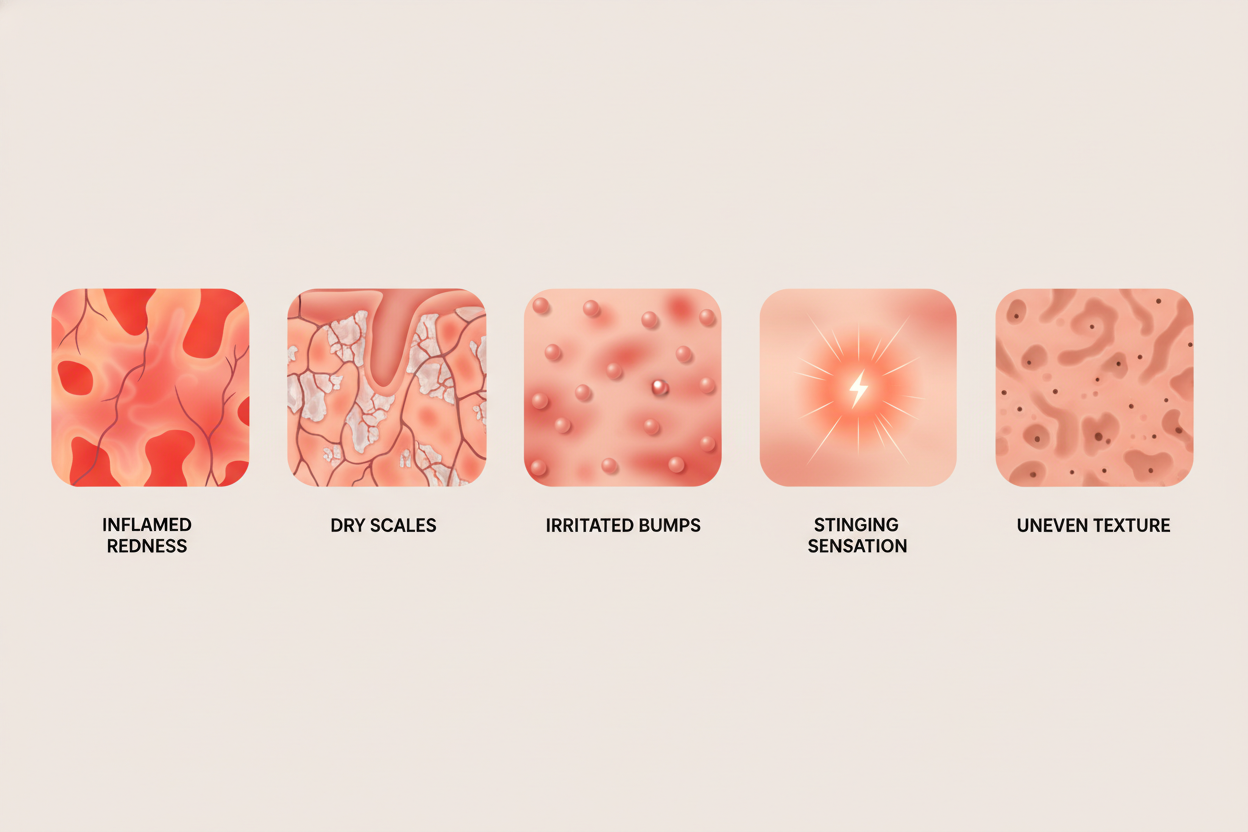
If your skin suddenly reacts to everything, feels tight and itchy, or stays red for hours after applying products, there’s a good chance your skin barrier needs extra support. For sensitive-feeling skin, a compromised-looking moisture barrier can turn everyday skincare into a cycle of burning, stinging, dryness, and frustration.
The good news? You can support your skin barrier gently with the right routine, the right ingredients, and a little patience. In this guide, we’ll walk through five clear signs that your barrier may need help — and how to build a simple, fragrance-conscious, sensitive-skin-friendly routine.
This article is part of our Sensitive Skin Education Series and pairs with our core guide Sensitive Skin Care Routines under Skin School → Solutions → Sensitive Skin.
If fragrance might be part of the problem, don’t miss our deep dive: Fragrance-Free vs Unscented Skincare: What Sensitive Skin Should Know.
If your skin feels tight, dry, itchy, red, flaky, or reactive, simplify your routine first. Focus on gentle cleansing, hydration, moisture, and daily SPF before adding strong actives or exfoliating treatments back in.
Start with the Glimmer Goddess® Barrier-First Routine:
Best for: dry-feeling skin, sensitive-feeling skin, tightness, flaking, rough texture, and a compromised-looking moisture barrier.
Shop the Barrier-First RoutineYour skin barrier, also called the moisture barrier or lipid barrier, is the outermost layer of your skin. It works like a protective shield to:
When the barrier is healthy-looking and balanced, skin usually feels comfortable and smooth. When it is compromised, skin may feel dry, reactive, rough, or easily irritated.
If products that used to feel fine now cause stinging, burning, or prickling, especially on the cheeks or around the nose, your barrier may be compromised. Skin can feel so reactive that even mild formulas suddenly seem harsh.
Redness that lingers long after cleansing or product application — especially on sensitive zones like the nose, chin, and cheeks — can be a sign that your skin is feeling reactive. The skin may respond more strongly to temperature, touch, or ingredients.
A stressed moisture barrier can allow water to escape too quickly, leaving skin feeling tight, rough, or flaky. You might notice patchy dryness around the mouth, nose, or jawline, even if you are using moisturizer.
If long-time favorites suddenly cause irritation, tingling, or breakouts, your barrier may have been worn down by:
When your skin feels disrupted, it may look uneven or textured. You might see small bumps, scattered breakouts, or rough patches, especially if you keep adding more products to “fix” the problem.
If your skin is stinging, flaking, tight, or suddenly reacting to products you normally tolerate, your routine may be doing too much. Pause strong actives and start with a simple Glimmer Goddess® barrier-first routine built around gentle cleansing, hydration, moisture, and SPF.
Show Me the Gentle RoutineThe more sensitive your skin feels, the easier it can be for these factors to make your routine feel overwhelming.
Supporting the skin barrier is not about adding more aggressive treatments. It is about simplifying, hydrating, and choosing products that help skin feel comfortable again.
Pause new actives and strong exfoliants. Focus on a minimal routine:
The goal is to help skin feel calm and comfortable — not chase perfection overnight.
For sensitive or reactive-feeling skin, fragrance-free or very low-scent formulas are often a smart choice, especially for leave-on products like serums, lotions, and oils. This helps reduce one common trigger for irritation-prone skin.
Your skin barrier often appreciates:
Glimmer Goddess® formulas are built around these kinds of vegan, organic ingredients your skin will love, handcrafted in Texas.
Use lukewarm — not hot — water, and limit exfoliation while your skin feels reactive. When you do exfoliate again, choose a gentle method and follow with a comforting moisturizer or body butter.
Skin comfort takes consistency. Apply moisturizer morning and night, and do not forget areas like the neck, chest, hands, elbows, and legs. For the body, richer textures like whipped body butters can help seal in moisture and leave dry-feeling skin softer.
For a full sensitive-skin routine breakdown, visit Sensitive Skin Care Routines.


Start with a simple routine focused on gentle cleansing, hydration, and SPF.
Support dry-feeling body skin with richer moisture and comforting textures.
If you only want to start with one product, choose based on where your skin feels most uncomfortable:
When your skin feels reactive, the goal is not to overload it. The goal is to give it a simpler routine with gentle, supportive formulas.
Glimmer Goddess® is a strong choice for sensitive-feeling, barrier-stressed skin because our products are:
Common signs include stinging from gentle products, persistent redness, tightness, flaking, sudden sensitivity to items you previously tolerated, and small bumps or rough texture. If several of these appear at once, your barrier may be compromised.
For a simple barrier-first routine, start with Organic Hydrating Facial Cleanser with Exfoliating Jojoba Beads, Organic Hyaluronic Acid Serum, and Triple Action Daily Moisturizer – Organic SPF 30. For dry-feeling body skin, add Organic Whipped Body Butter to help seal in moisture and keep skin feeling soft and comfortable.
If your skin is stinging, flaking, or reacting easily, pause scrubs, strong acids, and exfoliating masks until your skin feels calm again. Focus first on gentle cleansing, hydration, moisturizing, and SPF.
A rich body butter can be helpful for dry-feeling, rough, or flaky body skin because it helps seal in moisture and leaves skin feeling softer and more comfortable. Glimmer Goddess® Organic Whipped Body Butter is a good option for shoppers who want a vegan, handcrafted-in-Texas body moisturizer.
Azelaic acid can be beneficial for sensitive or redness-prone skin, but only when the barrier is not severely compromised. Start with low concentrations and avoid it temporarily if your skin is burning, flaking, or highly reactive.
Apply a barrier cream or rich moisturizer as the final step in your routine. Use clean hands, apply a thin layer over dry or irritated-feeling areas, and allow it to fully absorb. For very sensitive-feeling skin, avoid rubbing and press gently instead.
Glycolic acid can weaken the skin barrier if used too frequently, applied at high concentrations, or layered with other exfoliants. Sensitive skin types should limit glycolic acid use and prioritize hydration and barrier-supportive moisture when skin feels irritated.
If your skin is stinging, flaking, or turning red easily, the fastest path forward is usually less — not more. Start with a simple routine focused on gentle cleansing, hydration, moisturizer, and SPF, then add other products back in slowly once your skin feels calm.
Everything is made with clean, vegan ingredients your skin will love — handcrafted in Texas.
Shop the Barrier-First Routine
This guide was created by the Glimmer Goddess® editorial team to help shoppers understand signs of a compromised-feeling moisture barrier and build a simple, gentle skincare routine. Glimmer Goddess® has been creating vegan clean beauty products since 2015, with a focus on Certified Organic Ingredients, ingredient-conscious formulas, and skincare handcrafted in Texas.
The recommendations in this article are based on cosmetic skincare education, routine-building best practices, ingredient function, and publicly available guidance from dermatology and medical education sources.
Fragrance-Free vs. Unscented Skincare: What’s the Difference?
If your skin stings, burns, or turns red easily, fragrance can be a hidden trigger—even in products labeled “unscented.” In this guide, learn the real difference between fragrance-free and unscente...
Read more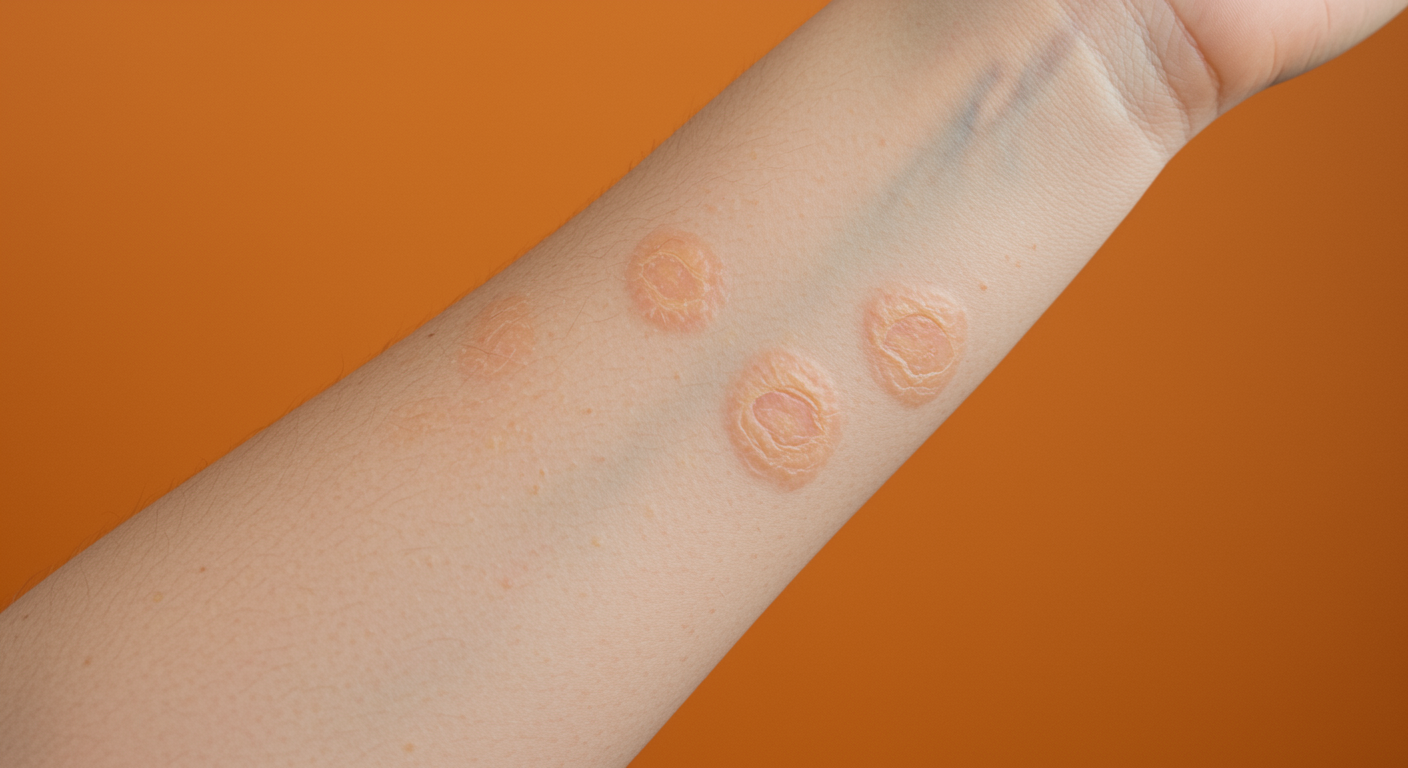
Best Organic Body Lotion for Sensitive, Eczema-Prone Skin
If your skin is sensitive or eczema-prone, the wrong body lotion can make dryness, itching, and redness worse. In this guide, learn which ingredients to look for, what to avoid, and how to choose a...
Read more