



Anti-Aging Skincare Routine: What You Actually Need—and What You Can Skip
A practical anti-aging skincare routine can be simple: protect skin from ultraviolet exposure, cleanse without over-stripping, moisturize appropriately, and choose one or two targeted products for your main concern. More steps do not automatically mean better results, and overlapping actives can increase irritation.
The Four Core Jobs in an Anti-Aging Routine
1. Sun protection
Daily broad-spectrum sunscreen is one of the most important steps for reducing additional visible photoaging. The American Academy of Dermatology recommends broad-spectrum, water-resistant SPF 30 or higher for exposed skin.
The current Triple Action Daily Moisturizer – Organic SPF 30 combines a moisturizer step with labeled SPF 30 protection.
2. Gentle cleansing
Cleansing should remove sunscreen, makeup, sweat and debris without leaving skin persistently tight or irritated. A harsher cleanser is not more “anti-aging.”
3. Moisture support
Moisturizer helps reduce dryness and supports a smoother, more comfortable skin surface. As skin becomes drier with age, this step may become more important even if you previously preferred very light formulas.
For evening moisture, the active Organic Skin Renewal Night Cream 2 oz – Anti-Aging is a current Glimmer Goddess® night-cream option. Its practical role is moisturization and cosmetic skin-conditioning support—not reversing biological age.
4. One targeted treatment
Choose a treatment for the concern you actually want to address rather than layering every trending active. Examples include Vitamin C for antioxidant and brightening support, hyaluronic acid for hydration, peptides for formula-specific appearance goals, or Vitamin A products when appropriate to your routine and tolerance.
A Simple Morning Routine
- Cleanse or rinse, depending on your skin’s needs.
- Apply one targeted serum if you use one.
- Apply moisturizer if needed.
- Apply sunscreen according to its label.
If you use a moisturizer with labeled SPF as your sunscreen step, make sure you apply enough product to achieve the labeled protection and reapply as directed when needed.
A Simple Evening Routine
- Cleanse sunscreen, makeup and daily buildup.
- Apply one treatment step if desired.
- Finish with moisturizer or night cream.
Our AM/PM skincare layering guide explains general order and pilling troubleshooting.
What You Can Often Skip
Multiple serums that do the same job
If three products all target brightness or hydration, using all three may add complexity without a meaningful advantage.
A toner just because a routine chart includes one
Toner can be enjoyable or useful when the formula has a clear purpose, but it is not universally required.
Daily exfoliation
Exfoliating too often can create irritation, dryness and barrier disruption. Frequency should match the product and your tolerance.
A separate eye product if you do not want one
Eye products can offer a texture designed for that area, but not everyone needs a separate eye cream or serum.
“Natural” products chosen only because they sound safer
Natural and organic ingredients can still irritate or cause allergy. Safety and effectiveness depend on the complete formula, not whether an ingredient came from a plant or a laboratory.
How to Choose Your One Targeted Serum
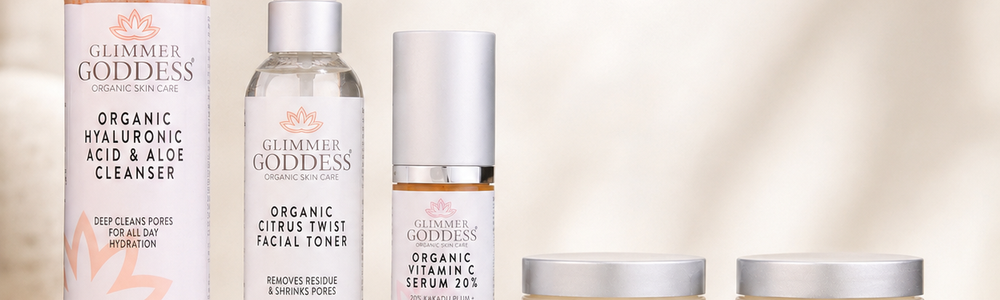
- Dehydration: consider a humectant-focused serum such as the active Organic Hyaluronic Acid Serum – Plumping Hydration 1 oz..
- Dull or uneven-looking tone: a well-formulated Vitamin C serum may fit.
- Texture or fine lines: choose one evidence-based active you tolerate and use it consistently rather than stacking several strong treatments.
Do You Need a Full Anti-Aging Kit?
A kit can be convenient if you want a pre-selected routine, but you do not need to buy a multi-step system to have an effective routine. The current Complete Organic Anti-Wrinkle 5-Step Kit with Vitamin C & SPF 30 is an active bundled option; despite the product title, realistic expectations still apply to every cosmetic step.
If five steps feel excessive for your skin or schedule, build a smaller routine around the essentials instead.
How Long Should You Give a Routine?
Hydration can feel different quickly, but appearance changes from many cosmetic treatments take consistent use over weeks or months. Introducing several new products simultaneously makes it harder to tell what is working or causing irritation.
Change one major variable at a time and document how your skin responds.
When a Dermatologist Adds More Value Than Another Product
See a board-certified dermatologist for persistent or rapidly changing pigmentation, new or changing growths, significant acne, unexplained rashes, painful irritation, or concerns that may need diagnosis or prescription treatment. Cosmetic products are not a substitute for medical evaluation.
Frequently Asked Questions
What is the most important anti-aging skincare product?
There is no single product for every concern, but daily sun protection has one of the clearest roles in limiting additional visible photoaging.
Do I need both Vitamin C and Vitamin A?
No. They can serve different purposes, but you do not need both to have a useful routine. Choose based on your goals, tolerance and product directions.
Is a 10-step routine better than a 4-step routine?
No. A longer routine is not automatically more effective and may increase cost, irritation and inconsistency.
The Bottom Line
Build anti-aging skincare around protection, gentle cleansing, moisture and a small number of targeted products. Consistency and tolerance usually matter more than the number of bottles on your shelf.
Sources: American Academy of Dermatology: skin care in your 40s and 50s; American Academy of Dermatology: how to apply sunscreen.