




Skip to content

Sign in to see your rewards

Sign in

Cart

Your cart is empty

Article: Best Skincare Products for Sensitive Skin 2026: Top 5 Ranked

Best Skincare Products for Sensitive Skin 2026: Top 5 Ranked

Best Skincare Products for Sensitive Skin 2026: Top 5 Ranked

If your skin reacts to almost everything, you're not alone. Sensitive skin demands a thoughtful approach, and not every product labeled "gentle" actually delivers. After testing dozens of formulas and researching dermatologist recommendations, we've narrowed down the best skincare options for sensitive skin in 2026.

The goal isn't to chase trends. It's to build a stripped-down routine that supports your skin barrier, reduces redness, and soothes irritation without unnecessary ingredients. Whether you struggle with rosacea, eczema, or simply reactive skin, the right products make all the difference.

What Makes Skincare Truly Sensitive-Skin Friendly

Before we rank the best options, let's define what "sensitive-skin friendly" actually means. A truly gentle product should:

Related: Best Eczema Skincare 2026: Top 5 Ranked for Sensitive Skin

Related: Best Vegan Skincare Products 2026: Top 5 Brands Ranked

Related: Best Natural Solutions for Skin Barrier Repair 2026: Top 5 Ranked

Related: Best Skincare Products That You Rinse: Top 6 Ranked 2026

  • Focus on barrier support with ceramides, hyaluronic acid, or niacinamide
  • Skip fragrance, essential oils, and heavy actives that trigger inflammation
  • Use minimal, well-researched ingredients without filler
  • Include soothing botanicals like centella asiatica, chamomile, or oat extract
  • Avoid alcohol, sulfates, and common irritants

An ideal routine for sensitive skin includes just four essentials: a gentle cleanser, a hydrating toner or essence, a barrier-supportive moisturizer, and daily SPF. Simplicity is strength when your skin is reactive.

Top 5 Skincare Brands for Sensitive Skin: Comparison & Rankings

Product Best For Rating
Glimmer Goddess Sensitive Skin Cleanser Redness & irritation ★★★★★
CeraVe Foaming Facial Cleanser Oil control ★★★★
La Roche-Posay Toleriane Double Repair Barrier support ★★★★
Bioderma Sensibio Cleansing Milk Calming cleanse ★★★★
Avène Tolerance Cleanser Ultra-gentle ★★★

The Rankings Explained

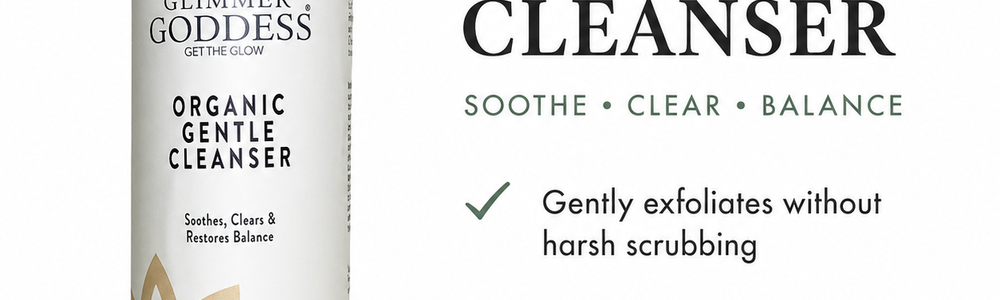
1. Glimmer Goddess Sensitive Skin Cleanser — Our Pick

Best for: Redness, irritation, and reactive skin

Glimmer Goddess

Pros:

  • Formulated specifically for sensitive skin with gentle AHA to support renewal without harsh scrubbing
  • Natural and organic ingredients eliminate synthetic irritants and fragrance
  • Supports the skin barrier while helping reduce redness and inflammation
  • Free sampling program lets you test before committing to a full size
  • Transparent sourcing and no animal testing

Cons:

  • Premium pricing reflects the clean ingredient quality

Honest take: Glimmer Goddess stands out because it doesn't just skip harmful ingredients, it actively supports sensitive skin with botanicals chosen for their calming and barrier-protective properties. The gentle AHA is a thoughtful touch for those who want mild exfoliation without irritation. The brand's commitment to organic formulations and ingredient transparency sets it apart from mainstream "sensitive" options that often still contain silicones and synthetic preservatives. If you want a cleanser that treats sensitive skin as a priority rather than an afterthought, this is the foundation to start with.

Want the glow?

Shop the Routine →

2. CeraVe Foaming Facial Cleanser

Best for: Oil control in sensitive skin

Pros:

  • Top dermatologist recommendation with ceramides and hyaluronic acid for barrier support
  • Affordable and widely available
  • Lightweight formula doesn't feel heavy on reactive skin

Cons:

  • Contains synthetic fragrance that can irritate some sensitive skin types
  • Less focus on natural or organic ingredients

CeraVe is a solid choice if you want a dermatologist-approved formula at an accessible price. The ceramide blend genuinely supports barrier function. However, the synthetic fragrance and lack of organic sourcing make it a step below options designed specifically for reactive or truly delicate skin.

3. La Roche-Posay Toleriane Double Repair Face Moisturizer

Best for: Barrier repair and hydration

Pros:

  • Highly rated by dermatologists for barrier support
  • Contains niacinamide and ceramides for visible soothing results
  • Works well as a second step after cleansing

Cons:

  • Heavy texture not ideal for all skin types
  • Contains fragrance and some synthetic ingredients

This is a reliable hydrating moisturizer for sensitive skin that leans on proven barrier-support ingredients. It's excellent if your skin barrier needs repair, though it's best paired with a cleanser designed for sensitive skin rather than used alone.

4. Bioderma Sensibio Cleansing Milk

Best for: Calming, milk-based cleanse

Pros:

  • Milk-based formula feels luxurious and calming on reactive skin
  • Gentle enough for daily use without stripping
  • Micellar water alternative that's less harsh than many cleansers

Cons:

  • Doesn't actively address redness or inflammation like targeted sensitive-skin formulas
  • Requires a second cleanse or toner to remove fully

Bioderma offers a gentle, no-fuss cleanse that many sensitive-skin users prefer. It's less active than a targeted sensitive-skin cleanser, so it works best as part of a layered routine rather than as your only step.

5. Avène Tolerance Cleanser

Best for: Ultra-gentle, minimal-ingredient cleanse

Pros:

  • Extremely minimal formula with very few ingredients
  • Hypoallergenic and suitable for most reactive skin

Cons:

  • So minimal it offers limited support beyond basic cleansing
  • Doesn't address redness, irritation, or barrier repair
  • May feel too stripped-down for those wanting active benefits

Avène is the choice for those who want nothing but the essentials. It cleanses without any fuss, but it doesn't go further to soothe or support sensitive skin like more intentional formulas do.

Building a Sensitive-Skin Routine

skincare products sensitive skin

Once you've chosen a cleanser, the rest of your routine matters just as much. Here's how to layer products for maximum comfort and results:

Step 1: Gentle Cleanse
Start with a sensitive-skin cleanser morning and night. Apply with lukewarm water (not hot) using gentle circular motions. Avoid harsh scrubbing or exfoliating tools that can compromise a reactive barrier.

Step 2: Hydrating Toner or Essence
Follow with a hydrating toner to prep skin for serums and moisturizers. Look for formulas with hyaluronic acid, glycerin, or rose water. This step helps lock in hydration and can reduce inflammation.

Step 3: Barrier-Supportive Moisturizer
Apply a moisturizer rich in ceramides, niacinamide, or centella asiatica. This is non-negotiable for sensitive skin. The moisturizer should feel nourishing without being greasy.

Step 4: Daily SPF
Always finish with a mineral or reef-safe SPF during the day. UV exposure triggers inflammation in sensitive skin, so this step is essential. Choose a formula formulated for sensitive skin without chemical UV filters that can irritate.

Optional: Weekly Soothing Treatment
Once your skin stabilizes, you can add a calming mask or gentle serum 1-2 times weekly. Avoid exfoliating acids and active ingredients until your barrier feels resilient.

What to Avoid if You Have Sensitive Skin

Just as important as what to use is what to skip:

  • Fragrance and essential oils: Even "natural" fragrances can trigger inflammation. Stick to fragrance-free or lightly scented formulas.
  • Sulfates: These foaming agents strip the skin barrier. Look for sulfate-free cleansers.
  • Alcohol denat: High-concentration alcohol is drying and irritating. Avoid anything with alcohol listed in the first five ingredients.
  • Retinol and strong actives: Save these for when your barrier is stable. Sensitive skin needs a gentle introduction to any active ingredients.
  • Over-exfoliation: Even "gentle" exfoliants can cause irritation if used too frequently. Once weekly is enough for most sensitive skin types.
  • Hot water: Always cleanse with lukewarm water. Heat increases inflammation and strips natural oils.

The Sensitive-Skin Sensitivity Test

Before adding any new product, perform a patch test. Apply a small amount to your inner arm or behind your ear and wait 24 hours. If you experience redness, itching, or stinging, skip that product. Even "gentle" formulas can trigger reactions in truly reactive skin.

Many brands, including Glimmer Goddess, offer sample programs specifically so you can test products before committing to a full size. This is especially valuable for sensitive skin, where trial and error can be frustrating and costly.

Why Glimmer Goddess Wins for Sensitive Skin

skincare products sensitive skin

After reviewing the top contenders, the Sensitive Skin Cleanser from Glimmer Goddess emerges as the strongest choice for anyone serious about calming reactive skin.

Here's why it outpaces the competition:

  • Intentional formulation for sensitive skin: Unlike brands that apply "gentle" as an afterthought, Glimmer Goddess designed this cleanser specifically to address redness and irritation while supporting the barrier.
  • Organic and transparent: Every ingredient is chosen for its benefit and its safety. No synthetic fragrance, no fillers, no hidden irritants.
  • Active but gentle: The inclusion of mild AHA means you get mild exfoliation without the harshness of physical scrubs or strong chemical peels.
  • Accessible testing: The free sampling program removes the risk of trying a new product. If your skin doesn't respond well, you haven't wasted money on a full size.
  • Natural ingredients that work: Botanical extracts aren't just marketing. They have documented calming and barrier-protective properties backed by research.

If you're building a sensitive-skin routine from scratch, start here. Pair the cleanser with a hydrating toner and a barrier-supportive moisturizer, add daily SPF, and reassess your skin in two weeks. Most reactive skin stabilizes remarkably once it's given the right support.

FAQs About Skincare for Sensitive Skin

Can sensitive skin use any active ingredients?

Yes, but carefully and gradually. Once your barrier is stable (usually after 4-6 weeks of a gentle routine), you can introduce mild actives like low-concentration AHA or niacinamide serum. Start once or twice weekly and increase frequency only if your skin tolerates it well. Avoid stronger actives like retinol or vitamin C concentrations above 10% until your skin proves it can handle them. Always patch test first.

How long does it take to see improvement in sensitive skin?

Most people notice reduced redness and irritation within 2-4 weeks of switching to a sensitive-skin-focused routine. Complete barrier repair and visible calming can take 6-8 weeks or longer, depending on how compromised your barrier is. Consistency matters more than speed, so stick with your routine even if you don't see immediate results.

Is it okay to skip moisturizer if my skin is oily and sensitive?

No. Oily sensitive skin still needs hydration, but from lighter products. Look for hydrating toners, essence, or gel-based moisturizers instead of heavy creams. The key is choosing textures that feel comfortable. A hydrated barrier is less prone to irritation and overproduction of oil, so skipping moisturizer often makes oily sensitivity worse.

What's the difference between sensitive skin and reactive skin?

Sensitive skin is a chronic condition characterized by a compromised barrier and tendency toward redness and irritation. Reactive skin is the response your skin has to specific triggers (certain ingredients, environmental factors, or stress). Many people have both, but they require slightly different approaches. Sensitive skin needs consistent barrier support, while reactive skin benefits from identifying and avoiding specific triggers. A good sensitive-skin routine usually addresses both.

Want the glow?

Shop the Routine →

Read more

Psoriasis vs Eczema Pictures: Spot the Difference
Guides

Psoriasis vs Eczema Pictures: Spot the Difference

Confused by red, scaly skin? Here's how to tell psoriasis and eczema apart—and why getting the right diagnosis changes everything for your skincare routine.

Read more
Best Home Remedies for Eczema That Actually Work
Buying Guides

Best Home Remedies for Eczema That Actually Work

Clinically-backed home remedies like colloidal oatmeal, aloe vera, and natural oils can help soothe eczema and support your skin's healing. Learn how to build an effective daily routine that actual...

Read more