

Winter Moisturizer Ingredients: Humectants, Emollients & Occlusives Explained
Winter moisturizer shopping becomes much easier when you stop looking for one “magic” ingredient and instead understand three basic jobs: humectants help bind water, emollients smooth and soften, and occlusive ingredients help reduce water loss. Many good moisturizers combine all three.
What Is a Humectant?
Humectants are ingredients that attract and hold water in the outer layers of skin. Common examples include glycerin and hyaluronic acid.
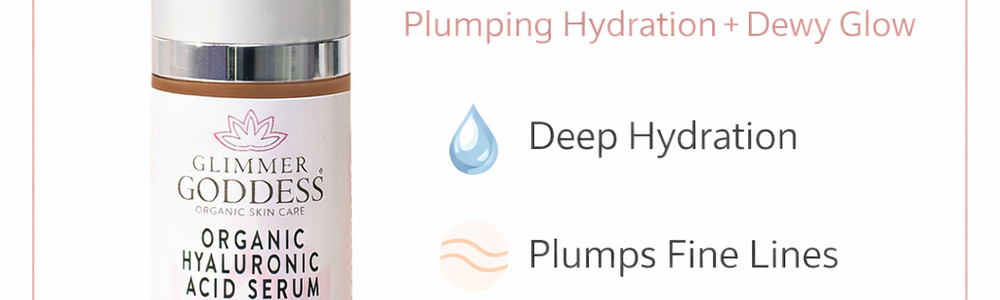
The current Glimmer Goddess® Organic Hyaluronic Acid Serum is a lightweight humectant-focused step for people who want added hydration beneath moisturizer.
Does a Humectant Replace Moisturizer?
Not always. If skin is dry or the environment is very dry, a serum may feel more comfortable when followed by a lotion or cream that also supplies emollient and moisture-retaining ingredients.
What Is an Emollient?
Emollients help soften and smooth rough-feeling skin by filling spaces between surface skin cells. Plant oils, fatty ingredients and squalane are examples commonly used for this role.
Emollience is about feel and flexibility. It does not mean an ingredient permanently repairs every cause of dry skin.
What Is an Occlusive Ingredient?
Occlusive ingredients form a surface layer that slows water loss. They can be especially helpful for very dry areas, hands or skin exposed to cold, dry conditions.
Occlusive does not automatically mean “bad for pores,” and ingredients such as petrolatum or mineral oil should not be dismissed simply because they create a barrier. Suitability depends on the formula, body area and individual skin.
How Lotion, Cream and Body Butter Differ
Lotion
Lotions tend to spread easily and feel lighter, making them practical for arms, legs and everyday body moisture. The current Organic Coconut Milk Body Lotion is a lighter body-care format.
Cream
Creams generally feel richer than lotions and can be useful when facial or body skin needs more emollience or occlusion.
Body Butter
Body butters are usually richer and more oil-dominant than lotions. The current Organic Whipped Body Butter for Extremely Dry Skin is designed for shoppers who prefer a richer body moisturizer.
How to Choose the Right Winter Texture
- Mild dryness: start with a lotion.
- Persistent facial dryness: consider a cream your face tolerates.
- Very dry body areas: use a richer cream, butter or ointment where appropriate.
- Oily or combination skin: choose the lightest moisturizer that keeps skin comfortable.
- Hands: reapply after washing when needed.
How to Layer Hydration and Moisture
A simple sequence is:
- Cleanse gently.
- Apply a humectant serum if you use one.
- Follow with moisturizer.
- Use broad-spectrum sunscreen in the morning.
For a complete step-by-step routine, see our guide to layering moisturizers in winter.
Moisturizer Myths
“Hyaluronic acid is always enough by itself.”
No. Some skin feels comfortable with a lightweight serum, while drier skin may need a moisturizer over it.
“Oil hydrates skin the same way water does.”
Oil primarily contributes emollience and can reduce moisture loss depending on the formula. It does not add water in the same way a water-based humectant step does.
“Thicker is always better.”
No. The best texture is the one that controls dryness without creating unwanted heaviness or irritation.
“Natural oils are automatically better than synthetic emollients.”
No. Origin does not determine safety or effectiveness. Evaluate the finished formula and your own tolerance.
Frequently Asked Questions
What ingredient should I look for first in a winter moisturizer?
There is no single best ingredient. A balanced formula may combine humectants, emollients and occlusive ingredients.
Can I use body butter on my face?
Use products on the areas for which they are formulated unless the label specifically says otherwise. A body butter is not automatically a facial moisturizer.
Should I apply moisturizer to damp skin?
For dry skin, applying moisturizer shortly after washing can help hold water in the skin.
Do I need both serum and lotion?
Only if both add something useful. A good moisturizer may already provide enough hydration for your skin.
The Bottom Line
Humectants, emollients and occlusives do different jobs, and effective winter moisturizers often combine them. Choose texture by how your skin feels—not by assuming the richest or most expensive formula is automatically best.
Source: American Academy of Dermatology: How to pick the right moisturizer.