


Eyelid Eczema: Skin-Care Basics, Triggers & When to Get Help
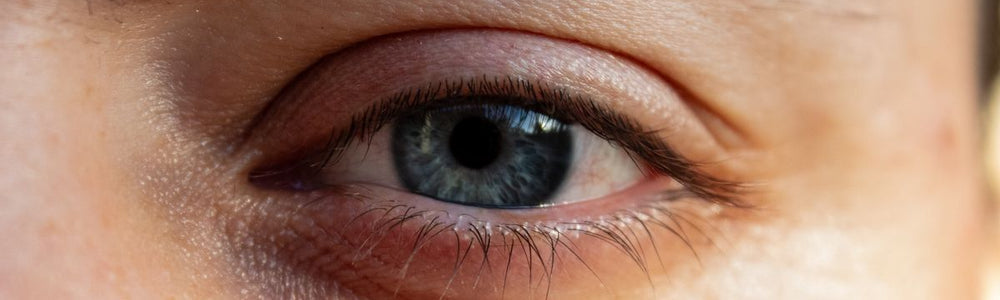
Eyelid eczema can cause dry, itchy, red, scaly or swollen skin around the eyes, but the cause is not always the same. Atopic eczema can affect the eyelids, and the thin eyelid skin is also especially prone to irritant and allergic contact dermatitis. Because several eye-area conditions can look similar, persistent or recurrent symptoms deserve medical assessment rather than trial-and-error treatment.
The National Eczema Society notes that eyelid skin is particularly thin and sensitive, making it vulnerable to irritants and allergens. The American Academy of Dermatology also highlights the eyelids as a common place for contact dermatitis because the skin there is thin.
What Can Cause Eczema Around the Eyelids?
“Eyelid eczema” is a broad description rather than one single cause. Possibilities include atopic dermatitis, irritant contact dermatitis and allergic contact dermatitis. A dermatologist can help distinguish among them, especially when the rash keeps returning.
Atopic dermatitis
People with atopic dermatitis can develop eczema on the eyelids and elsewhere on the face. The skin may feel itchy, dry and inflamed, and symptoms can come and go over time.
Irritant contact dermatitis
Irritant contact dermatitis happens when something directly irritates the skin. Around the eyelids, possible irritants include cleansers, soaps, makeup, sunscreens and other products that come into contact with the area. Rubbing and scratching can add further irritation.
Allergic contact dermatitis
Allergic contact dermatitis is a delayed allergic skin reaction. Potential triggers can include cosmetics, fragrances, essential oils, eye products, hair dye, nail products, adhesives and preservatives in some eye or contact-lens products. A trigger does not always have to be applied directly to the eyelids; small amounts can be transferred from the fingers.
Gentle Skin-Care Basics for Eyelid Eczema
When the eyelids are irritated, a simpler routine is usually easier to tolerate and easier to troubleshoot. These steps are supportive skin-care measures, not a substitute for treatment prescribed by a healthcare professional.
Keep cleansing simple
Avoid harsh soaps and vigorous rubbing around irritated eyelids. Plain water or a very gentle cleanser intended for sensitive skin may be appropriate, depending on what your clinician recommends and what your skin tolerates.
Use a bland emollient if it is appropriate for you
Emollients are commonly used to moisturize eczema-prone skin. For the eyelid area, choose a simple product suitable for use near the eyes and avoid getting it into the eye. If a product stings, burns or appears to worsen the rash, stop using it.
Pause products that may be contributing
If makeup or skin-care products seem to coincide with symptoms, temporarily simplifying the routine can help identify a possible trigger. Reintroducing products one at a time may make the pattern easier to spot. “Natural” does not automatically mean non-irritating; botanical extracts, essential oils and fragrance can also cause irritation or allergic contact dermatitis in some people.
Avoid rubbing and scratching
Rubbing can worsen irritation and may further disrupt already-sensitive eyelid skin. Keeping hands clean and minimizing unnecessary touching can also reduce transfer of potential allergens from the fingers.
What About Steroid Creams Around the Eyes?
Do not assume that an over-the-counter or prescription steroid that is suitable elsewhere on the body is appropriate for the eyelids. The National Eczema Society advises that eyelid eczema is generally treated with emollients and, when medically appropriate, short courses of mild topical corticosteroids or topical calcineurin inhibitors under healthcare-professional guidance. Because the eyelid skin is very thin, excessive or prolonged topical steroid use around the eyes can carry risks, including glaucoma or cataracts.
If you think you need a steroid or prescription treatment near the eyes, ask a doctor, dermatologist or other qualified healthcare professional which medication, strength and duration are appropriate for you.
When Patch Testing May Help
When eyelid dermatitis keeps returning or seems linked to products, allergic contact dermatitis may be part of the picture. Dermatologists can use patch testing to look for delayed allergic reactions to substances that contact the skin. The AAD notes that patch testing can be useful when the cause of a recurring itchy rash is unclear. Learn more about patch testing from the AAD.
When to Seek Medical Care
Contact a healthcare professional if eyelid symptoms are persistent, recurrent, severe or difficult to control. Medical evaluation is also important if you are unsure whether the problem is eczema, contact dermatitis, blepharitis, an eye infection or another condition.
Seek prompt medical attention for weeping or golden crusting, painful fluid-filled blisters, marked swelling, significant eye pain, vision changes or other symptoms involving the eye itself. The National Eczema Society specifically advises medical attention when skin around the eyes develops signs that may suggest infection.
Frequently Asked Questions
Is eyelid eczema contagious?
No. Eczema and contact dermatitis themselves are not contagious. An infection affecting irritated skin is a separate medical issue and should be assessed appropriately.
Can makeup trigger eyelid dermatitis?
Yes, cosmetics can be irritants or allergens for some people. Eye makeup is not the only possibility: products used on the face, hair or nails can sometimes reach the eyelids directly or through hand-to-eye contact.
Are fragrance-free products better than “unscented” products?
For people sensitive to fragrance, fragrance-free is generally a more useful label than unscented. The AAD explains that “unscented” products can still contain fragrance used to mask odor.
How long does eyelid eczema take to improve?
There is no reliable universal timeline. Improvement depends on the cause, severity, whether a trigger can be identified and avoided, and whether prescription treatment is needed. Recurrent or persistent eyelid dermatitis is a reason to involve a dermatologist rather than relying on a fixed self-care timeline.
Can I use essential oils around eyelid eczema?
Essential oils are not automatically gentle because they are natural. They can irritate skin or trigger allergic contact dermatitis in some people, and the eye area is especially sensitive. Avoid applying essential oils to irritated eyelid skin unless a qualified healthcare professional specifically recommends a product formulated for that area.
The Bottom Line
Eyelid eczema deserves a cautious approach. Keep the routine simple, avoid rubbing, consider whether cosmetics or other contact triggers may be involved, and use only products that are appropriate for the delicate eye area. Because eyelid dermatitis can have several causes—and because medication around the eyes requires extra care—persistent or recurrent symptoms are best evaluated by a healthcare professional.
Medical note: This article is for educational purposes only and is not a substitute for diagnosis or treatment from a qualified healthcare professional.