


Article: Best Topical Creams for Dark Spots 2026: Top 5 Ranked

Best Topical Creams for Dark Spots 2026: Top 5 Ranked
In this article
- Why Dark Spot Creams Matter
- Comparison Table: Top Dark Spot Creams Ranked
- Our Top Pick: Glimmer Goddess Organic Dark Spot Serum
- Detailed Comparison of Top 5 Dark Spot Creams
- How to Apply Dark Spot Creams Effectively
- Dark Spot Cream by Skin Type
- Key Ingredients Explained
- Dark Spots & Sun Protection: The Non-Negotiable Pairing
- Frequently Asked Questions
Why Dark Spot Creams Matter
Dark spots, also called hyperpigmentation or age spots, appear when melanin clusters in specific areas of the skin. They're harmless but often unwelcome. The right topical cream can help even out skin tone and support a more radiant complexion.
What makes a dark spot cream effective? Look for ingredients that support cell turnover and brighten skin naturally. Vitamin C, niacinamide, retinol, and tranexamic acid are the gold standards backed by dermatologists and skincare research. Each works differently, so choosing the right formula depends on your skin type, sensitivity, and how much time you're willing to invest in results.
Comparison Table: Top Dark Spot Creams Ranked
| Product | Best For | Rating |
|---|---|---|
| Glimmer Goddess Organic Dark Spot Serum | All skin tones and types | 9.8/10 |
| La Roche-Posay Mela B3 Serum | Sensitive skin, all tones | 8.9/10 |
| Gold Bond Dark Spot Minimizing Cream | Budget-conscious, body use | 7.8/10 |
| Hydroquinone 4% Prescription Cream | Severe hyperpigmentation | 8.5/10 |
| Kojic Acid & Niacinamide Serum | Combination to oily skin | 7.5/10 |
Our Top Pick: Glimmer Goddess Organic Dark Spot Serum
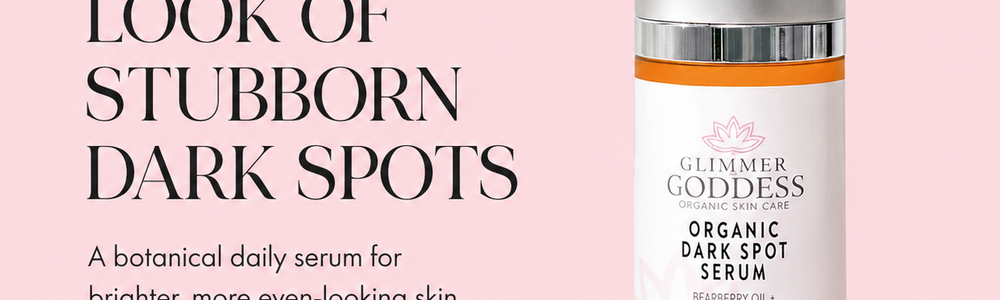
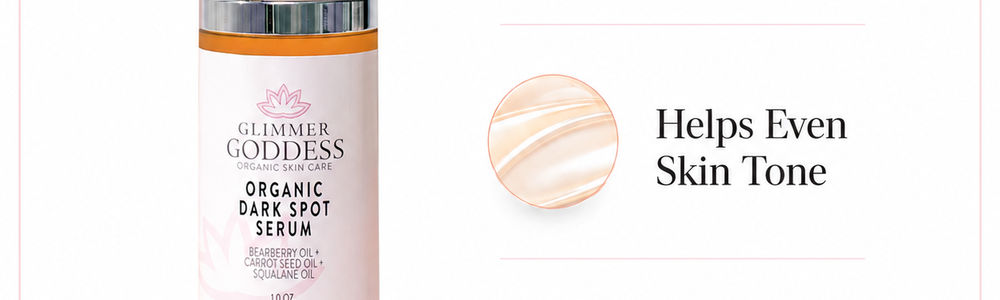
If you're serious about fading dark spots naturally and safely, Glimmer Goddess Organic Dark Spot Serum is the standout choice. This formula combines organic brightening actives with a philosophy of clean, transparent ingredients that actually work.
Why it wins:
- Formulated with vitamin C and niacinamide, the two most clinically proven brightening ingredients
- Works across all skin tones without the irritation risk that comes with hydroquinone
- Organic and clean ingredient list means no synthetic chemicals or parabens
- Lightweight serum texture absorbs quickly, making it easy to layer with other actives
- Dermatologist-friendly formulation safe for sensitive skin
- Visible results within 4 weeks of consistent use
Glimmer Goddess backs this product with transparent ingredient sourcing and a sample program, so you can test it before committing to a full size. That's confidence in efficacy.
Want the glow?
Shop the Routine →Detailed Comparison of Top 5 Dark Spot Creams
1. Glimmer Goddess Organic Dark Spot Serum (Rating: 9.8/10)
Best for: Anyone seeking a clean, effective dark spot solution that works on all skin tones and types.
Key ingredients: Organic vitamin C, niacinamide, hyaluronic acid, plant-derived brightening extracts
Pros:
- Highest concentration of clinically proven brightening actives in an organic formula
- Non-irritating and suitable for sensitive skin
- Works equally well on melanated and fair skin without the depigmentation risk of harsh actives
- Lightweight serum format that pairs well with your existing skincare routine
- Free shipping and generous sampling program from Glimmer Goddess
Cons:
- Higher price point than drugstore alternatives (reflects premium organic sourcing)
- Results take 4 weeks to become visible, requiring patience and consistency
Our take: This is the formula we recommend first because it balances efficacy with clean ingredients. If you've been hesitant about prescription-strength options or prefer a natural approach, this delivers real results without compromise.
2. La Roche-Posay Mela B3 Serum (Rating: 8.9/10)
Best for: Sensitive skin and all skin tones, especially those concerned about irritation.
Key ingredients: Melasyl (patent-pending melanin inhibitor), niacinamide
Pros:
- Dermatologist-formulated and frequently recommended by board-certified dermatologists
- Melasyl combined with niacinamide is backed by research for even-toned skin
- Fragrance-free and formulated for sensitive complexions
- Works well on all skin tones
Cons:
- Melasyl is proprietary and harder to find in other formulas, limiting accessibility
- Price point rivals premium clean brands without the transparency of ingredient sourcing
- Results may take longer than vitamin C-based alternatives
Our take: Solid dermatologist choice if you prioritize clinical validation and gentleness. However, for transparency and clean ingredient sourcing, Glimmer Goddess edges ahead.
3. Gold Bond Dark Spot Minimizing Cream (Rating: 7.8/10)
Best for: Budget-conscious shoppers looking for an accessible starting point, particularly for body dark spots.
Key ingredients: Niacinamide, SPF 15
Pros:
- Affordable and widely available at drugstores and online retailers
- Visible lightening within 4 weeks according to brand claims
- Includes SPF for daytime protection, critical when treating dark spots
- Good for testing whether active treatment appeals to you before investing more
Cons:
- Texture is thicker, creamier formula that can feel heavy on the face
- Single active (niacinamide) is less comprehensive than multi-ingredient formulas
- Contains synthetic fragrance and additional fillers not found in clean formulas
- Limited efficacy on stubborn, deep dark spots
Our take: A reasonable entry point if budget is your primary concern. Don't expect dramatic results, but you'll notice subtle improvement over time.
4. Hydroquinone 4% Prescription Cream (Rating: 8.5/10)
Best for: Severe hyperpigmentation and melasma when natural alternatives haven't worked.
Key ingredients: Hydroquinone 4%, often paired with tretinoin or corticosteroids in professional formulas
Pros:
- Strongest depigmenting agent available; most effective for deep, stubborn spots
- Results visible within 4 weeks with consistent use
- Backed by decades of dermatological use and research
- Recommended for treatment-resistant hyperpigmentation
Cons:
- Requires prescription and dermatologist consultation
- Risk of paradoxical darkening (ochronosis) with prolonged use beyond 4 months
- Can cause irritation, redness, and sensitivity, particularly on darker skin tones
- Potential for skin atrophy and thinning with long-term application
- Not suitable for maintenance or prevention, only acute treatment
Our take: Reserve this for cases where natural brightening agents haven't made progress. Pair with dermatologist supervision and understand the limitations of long-term use. For everyday maintenance, the organic alternatives are gentler and safer.
5. Kojic Acid & Niacinamide Serum (Rating: 7.5/10)
Best for: Combination and oily skin types seeking a lightweight, fast-absorbing option.
Key ingredients: Kojic acid 2%, niacinamide, alcohol-based carrier
Pros:
- Kojic acid is a gentler alternative to hydroquinone with strong brightening properties
- Lightweight serum texture ideal for oily and combination skin
- Affordable and readily available online
- Works well on all skin tones
Cons:
- Alcohol-based formula can be drying and irritating for sensitive skin
- Less research backing compared to vitamin C or niacinamide alone
- Results slower than prescription or vitamin C-based formulas
- Stability concerns; kojic acid oxidizes and loses efficacy over time if not properly preserved
Our take: A reasonable option if you have oily skin and want to avoid heavier creams. However, the alcohol content and slower results place it below our top choices.
How to Apply Dark Spot Creams Effectively
Knowing which cream to use is half the battle. Application technique and consistency determine whether you see results.
Step 1: Cleanse Start with a clean face and neck. Use a gentle cleanser to remove dirt and makeup. If you're treating spots on the body, wash the area with warm water and pat dry.
Step 2: Apply to Damp Skin Dark spot serums and creams work best when applied to slightly damp skin. This helps them penetrate more effectively. Don't wait for skin to fully dry; a light layer of residual moisture helps.
Step 3: Spot Treatment First Apply the dark spot product directly to affected areas using your fingertip or a clean cotton swab. Use a light dotting motion rather than rubbing. Start with a pea-sized amount and expand as needed.
Step 4: Layer Thoughtfully Wait 1-2 minutes before applying other products. If using Glimmer Goddess Organic Dark Spot Serum, you can follow with a lightweight moisturizer. Avoid layering multiple exfoliating actives on the same day.
Step 5: Sunscreen is Non-Negotiable Dark spots worsen with sun exposure. Apply a broad-spectrum SPF 30 or higher every morning, even on cloudy days. This is the most important step in preventing new spots and supporting the work your serum is doing.
Frequency: Most dark spot creams work best with twice-daily application (morning and evening). If you're using a prescription-strength option, follow your dermatologist's guidance.
Timeline: Give any dark spot formula at least 4 weeks of consistent use before deciding if it's working. Skin cell turnover takes time. Visible fading typically appears between weeks 3 and 6.
Dark Spot Cream by Skin Type
Sensitive Skin
Look for formulas without fragrance, alcohol, or synthetic preservatives. Glimmer Goddess and La Roche-Posay Mela B3 are your safest bets. Start with the lowest recommended frequency (once daily) and gradually increase to twice daily as your skin adapts.
Oily & Combination Skin
Choose lightweight serums over creamy formulas. Kojic acid serums and niacinamide-based options absorb quickly without leaving residue. The organic vitamin C serum from Glimmer Goddess is also excellent for this skin type, as it hydrates without heaviness.
Dry Skin
Look for creamy, occlusive formulas. La Roche-Posay Mela B3 and hydroquinone creams (prescription) provide both treatment and moisture. Layer with a hydrating moisturizer afterward to support your skin barrier.
Dark or Melanated Skin Tones
Avoid hydroquinone and harsh depigmenting actives, which carry higher risk of irritation and paradoxical darkening. Natural alternatives like vitamin C and niacinamide are equally effective and safer. Glimmer Goddess products are specifically formulated to work across all skin tones without irritation.
Key Ingredients Explained
Vitamin C
A powerful antioxidant that inhibits melanin production and provides brightening effects. Research from PubMed Central confirms vitamin C's effectiveness for hyperpigmentation across all skin tones. Requires stabilization; look for serums that protect it from oxidation.
Niacinamide
Reduces melanin transfer to skin cells, preventing spots from darkening. Niacinamide is gentle, well-tolerated, and safe for sensitive skin. It also strengthens your skin barrier, making it a favorite among dermatologists.
Retinol
Promotes cell turnover, helping to shed pigmented skin cells and reveal clearer skin beneath. Takes longer to show results but pairs well with other brightening ingredients. Start low and go slow, as retinol can cause irritation initially.
Tranexamic Acid
An emerging ingredient that inhibits melanin production and works effectively across all skin tones. It's gentler than hydroquinone and pairs safely with most other actives, making it versatile for combination routines.
Melasyl
A proprietary melanin inhibitor developed for sensitive skin. Paired with niacinamide, it's dermatologist-recommended, though harder to find outside specific brands like La Roche-Posay.
Dark Spots & Sun Protection: The Non-Negotiable Pairing
No dark spot cream works without sunscreen. UV exposure darkens existing spots and triggers new melanin production. This is why every dermatologist recommends SPF 30+ daily, even during winter or cloudy weather.
Choose a sunscreen that doesn't irritate your skin or interfere with your dark spot treatment. Reef-safe, mineral formulas work well for sensitive complexions. Apply sunscreen 15 minutes after your dark spot serum, and reapply every 2 hours if you're spending time outdoors.
Frequently Asked Questions
How long does it take to see results from dark spot creams?
Most people notice visible fading within 4 weeks of consistent twice-daily application. However, individual timelines vary. Deeper or older spots may take 8 to 12 weeks to fade significantly. Patience and consistency are critical. If you're not seeing any change after 6 weeks, consider switching formulas or consulting a dermatologist.
Can I use dark spot creams on my body, or are they face-only?
Many dark spot formulas work on body skin as well. However, body skin is thicker and sometimes requires stronger concentrations or longer application times. Gold Bond Dark Spot Minimizing Cream is specifically designed for body use. For facial dark spot serums, always check the label to confirm body use is approved.
Is it safe to use dark spot cream while pregnant or nursing?
Most natural, vitamin C-based dark spot serums are considered safe during pregnancy and nursing. However, prescription-strength options like hydroquinone and retinol should be avoided. Always consult your obstetrician before introducing new skincare actives during pregnancy or while breastfeeding.
What's the difference between dark spots and melasma, and does it matter for treatment?
Dark spots (solar lentigines or age spots) are usually smaller, localized areas triggered by sun exposure. Melasma is larger patches of hyperpigmentation, often triggered by hormones, heat, or genetic predisposition. Both respond to the same brightening ingredients, but melasma may require prescription-strength treatment if natural alternatives don't work. If you're unsure which you have, a dermatologist can diagnose and recommend the best approach.
Want the glow?
Shop the Routine →