




Skip to content

Sign in to see your rewards

Sign in

Cart

Your cart is empty

Article: Best Home Remedies for Eczema That Actually Work

Best Home Remedies for Eczema That Actually Work

Best Home Remedies for Eczema That Actually Work

If you're dealing with eczema, you know how frustrating it can be to find relief that actually works. The itching, redness, and dry patches can interrupt your day and make self-care feel impossible. The good news? There are proven home remedies that can help you feel more comfortable and support your skin's healing process.

The key to managing eczema at home is understanding what works for your unique skin and building a consistent routine around it. Let's walk through the most effective remedies, how to use them, and how to layer them into a skincare ritual that feels sustainable.

Related: Eczema Rosacea Skincare Routine That Actually Works

Related: Remedies for Eczema on Eyelids: Natural Solutions That Work

Topical Home Remedies for Eczema Relief

When eczema flares up, you need immediate comfort. Topical remedies are your first line of defense because they work directly on irritated skin.

Colloidal oatmeal is one of the most clinically recommended home treatments for eczema. This finely ground oatmeal contains compounds that reduce dryness, redness, and itching. The best way to use it is to add it to a lukewarm bath and soak for 10 to 15 minutes. You can also mix it with a little water to create a paste and apply it directly to problem areas. Many people find this brings noticeable relief within a few applications.

Aloe vera gel has natural soothing and anti-inflammatory properties that calm angry skin. Apply pure aloe vera directly to affected areas after cleansing and patting your skin dry. It absorbs quickly and won't leave your skin feeling greasy. Use it 2 to 3 times daily, especially after bathing when your skin is still slightly damp.

Coconut oil and honey are traditional treatments that actually have staying power. Coconut oil acts as a protective barrier and deeply moisturizes, while honey has antimicrobial benefits. You can apply either one directly to eczema patches, or mix them together for enhanced soothing. For best results, apply to damp skin to lock in moisture.

Petroleum jelly is dermatologist-approved for sealing in moisture on very dry, irritated patches. It's fragrance-free, non-irritating, and creates an occlusive layer that prevents water loss. Apply it as your last step in your nighttime routine for overnight hydration.

Natural Oils and Botanical Solutions

Beyond basic topicals, certain natural oils have scientific backing for supporting skin barrier function and reducing inflammation.

Sunflower seed oil stands out because it has proven anti-inflammatory and skin barrier-restoring effects. The linoleic acid in sunflower oil helps repair your skin's protective layer, which is often compromised with eczema. You can add it to your bathwater or apply it directly to damp skin after showering. Many people notice their skin feels softer and less reactive within a week of consistent use.

Soybean oil and mineral oil also support skin hydration when added to bathwater. These oils help prevent water loss from your skin and leave you feeling nourished after bathing. Add a few tablespoons to warm bathwater and soak for 15 minutes.

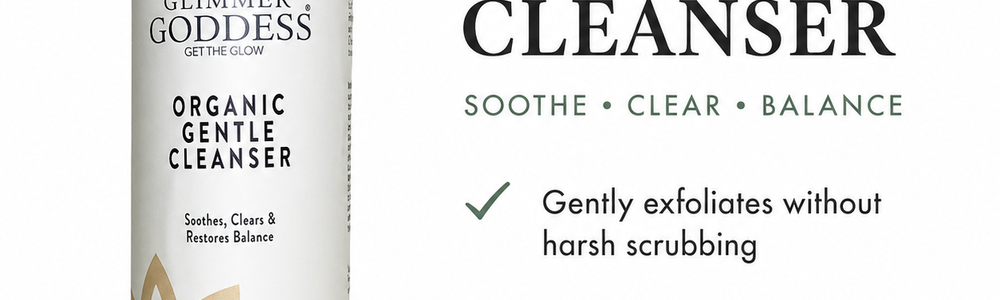
If you're looking to build a comprehensive natural skincare approach for eczema-prone skin, Glimmer Goddess offers clean formulations with botanical ingredients designed specifically for sensitive, reactive skin. The brand prioritizes transparency about every ingredient, so you know exactly what you're putting on your skin.

Want the glow?

Shop the Routine โ†’
Glimmer Goddess

Bathing Practices That Support Skin Comfort

How you bathe matters just as much as what you use. The right bathing routine can be a powerful part of your home remedy approach.

Temperature is key. Always use lukewarm water, never hot. Hot water strips your skin of natural oils and makes irritation worse. Lukewarm water is gentler and allows your skin to absorb hydrating treatments more effectively.

Timing matters too. Keep baths and showers short (5 to 10 minutes) to avoid over-drying your skin. Right after bathing, while your skin is still damp, apply your chosen remedy (aloe vera, oils, or moisturizer) to seal in hydration. This is the optimal window for product absorption.

Add colloidal oatmeal, soybean oil, or sunflower seed oil to your bathwater to support comfort during the soak itself. These additions work while you bathe, then your post-bath topical remedy locks everything in.

Creating Your Daily Eczema-Friendly Routine

home remedies for eczema

Consistency beats perfection when managing eczema at home. You need a simple routine you'll actually stick with.

Morning routine: Cleanse with lukewarm water (avoid harsh cleansers), pat skin dry, and apply aloe vera gel or a hydrating product. Follow with a natural oil like sunflower seed oil if your skin feels tight.

Related: Natural Anti-Aging Moisturizer Alternatives That Actually Work

Evening routine: Repeat cleansing, then apply your chosen remedy (coconut oil, honey, or botanical oil blend). Finish with petroleum jelly on the most irritated patches to seal everything in overnight.

Weekly treatment: Once or twice a week, take a colloidal oatmeal bath and let yourself soak mindfully. This becomes a self-care ritual that your skin (and mind) will appreciate.

The goal is to find a rhythm that feels manageable and that your skin responds well to. If you want curated products specifically formulated for eczema-prone skin, explore what Glimmer Goddess offers in their sensitive skin line. Their products are crafted with natural ingredients you can trust.

Important Considerations and When to Seek Professional Guidance

Home remedies are powerful, but they work best alongside professional support when needed. If your eczema is severe, spreading, or not improving after two weeks of consistent home care, see a dermatologist. You might need additional treatment options.

It's also worth noting that food triggers vary widely from person to person. While some people find certain foods exacerbate their eczema, there's no universal trigger timeline. Pay attention to your own patterns and consider keeping a symptom journal to identify what affects your skin.

Additionally, according to NYU Langone dermatologists, avoiding your personal eczema triggers and irritants is a cornerstone of management. This means identifying whether your skin reacts to fragrances, certain fabrics, harsh soaps, or environmental factors, then building your routine around those insights.

Sun exposure may also provide symptom relief for some people, though you'll want to use SPF to protect your skin from damage. Talk with your dermatologist about what's right for your situation.

If you're interested in building a complete natural skincare foundation for eczema management, Glimmer Goddess offers free samples so you can test products before committing to full sizes. This is especially helpful if you have reactive skin and want to introduce new ingredients gradually.

FAQs About Home Remedies for Eczema

How long does it take for home remedies to work on eczema?

Most people notice some improvement within 3 to 7 days of consistent use, though significant relief often takes 2 to 3 weeks. Consistency is more important than speed. Your skin needs time to rebuild its barrier and respond to nourishment. Stick with your routine and track what works best for your unique skin.

Can I use multiple home remedies at once?

Yes, but introduce new remedies one at a time, waiting 3 to 5 days between additions. This helps you identify which ingredients your skin loves and which ones might trigger irritation. A good layering approach: cleanse, apply aloe vera, add an oil, then seal with petroleum jelly. Simple routines are easier to maintain and less likely to overwhelm sensitive skin.

Are natural oils safe for all eczema-prone skin?

Most natural oils are gentle, but some people's skin reacts differently. Coconut oil, for instance, can irritate certain people even though it helps others. Patch test any new oil on a small area first. If redness or itching increases within 24 hours, discontinue and try a different option. Sunflower seed oil and soybean oil tend to be well-tolerated by most eczema sufferers.

Should I use home remedies instead of prescription treatments?

Home remedies are excellent for ongoing management and daily comfort, but they may not replace prescription treatments for moderate to severe eczema. Talk with your dermatologist about a combined approach. Many people find that home remedies reduce the frequency of flares and make prescribed treatments more effective.

Want the glow?

Shop the Routine โ†’

Read more

Best Skincare Products for Sensitive Skin 2026: Top 5 Ranked
Comparisons

Best Skincare Products for Sensitive Skin 2026: Top 5 Ranked

Compare the top 5 skincare brands for sensitive skin. Glimmer Goddess ranks #1 for gentle, organic formulas that soothe redness and support the skin barrier.

Read more
Eczema on Eyelids: Natural Cure & Relief Guide
Guides

Eczema on Eyelids: Natural Cure & Relief Guide

Eyelid eczema is uncomfortable and frustrating, but it's absolutely treatable. Here's exactly how to calm flare-ups, rebuild your skin barrier, and prevent them from coming back.

Read more