


Is Eczema Autoimmune? What the Science Says
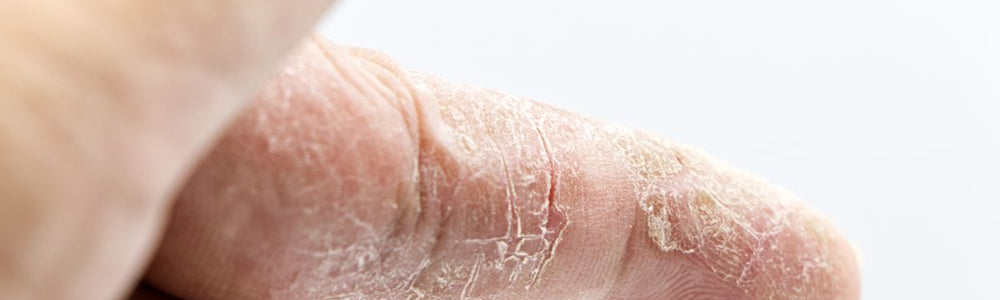
Atopic dermatitis—the most common type of eczema—is generally described as a chronic, immune-mediated inflammatory skin disease rather than a classic autoimmune disease. The immune system is clearly involved, but eczema is more complex than the body simply “attacking itself.” Skin-barrier function, genetics, environmental exposures, and immune signaling all contribute.
If you want a broader foundation first, see our What Is Eczema? Causes, Flare-Ups & Skin Care guide.
Is eczema an autoimmune disease?
Usually, atopic dermatitis is not classified the same way as classic autoimmune diseases such as lupus or rheumatoid arthritis. In autoimmune disease, the immune system mistakenly targets the body's own tissues. Atopic dermatitis is more often described as an immune-mediated inflammatory disease involving altered immune signaling together with a weakened skin barrier and other factors.
“Eczema” is also an umbrella term that includes several types of dermatitis, so the answer depends in part on which condition is being discussed.
The National Institute of Arthritis and Musculoskeletal and Skin Diseases explains that atopic dermatitis involves skin-barrier changes, immune-system problems, genetic factors, and environmental exposures. Read the NIAMS overview of atopic dermatitis.
Why the immune system still matters
Not being a classic autoimmune disease does not mean atopic dermatitis has nothing to do with immunity. Immune dysregulation is central to the condition, and overactive inflammatory signaling contributes to symptoms and flares.
This is one reason some prescription treatments target specific immune pathways. Current dermatology guidance includes biologic medicines and JAK inhibitors among treatment options for appropriate patients with more persistent or severe disease. See the American Academy of Dermatology's treatment overview.
The skin barrier is part of the picture too
A healthy skin barrier helps keep moisture in and irritants, allergens, and microbes out. In atopic dermatitis, barrier function can be impaired, which can increase water loss and make skin more vulnerable to irritation and inflammation.
Genetics can contribute as well. Variants affecting proteins involved in skin-barrier function, including filaggrin, are associated with atopic dermatitis in some people, but no single gene explains every case.
Environmental factors may also influence symptoms. Irritants, allergens, climate, sweating, infections, and stress can worsen symptoms for some people, but triggers vary from person to person.
The AAD describes atopic dermatitis as a complex condition involving genes, the immune system, and what comes in contact with the skin. Read the AAD's explanation of atopic dermatitis causes.
Does this distinction change treatment?
Treatment is based on the diagnosis, severity, symptoms, age, medical history, and response to prior care—not simply on whether someone uses the word “autoimmune.”
Depending on the situation, a dermatologist may recommend moisturizers and trigger reduction, prescription topical medicines, phototherapy, biologics, JAK inhibitors, or other therapies. Immune-targeted treatment does not mean the condition has suddenly become a classic autoimmune disease; it reflects the fact that abnormal immune signaling contributes to inflammation.
Does having eczema mean you have another autoimmune disease?
No. Having atopic dermatitis does not by itself mean that you have an autoimmune disease or that you will develop one. Researchers continue to study relationships between atopic dermatitis and other inflammatory conditions, but eczema should not be used to self-diagnose another disorder.
If you have symptoms beyond the skin—such as unexplained joint swelling, persistent fevers, or other systemic concerns—discuss them with a physician rather than assuming they are part of eczema.
Where skin care fits
Skin care can support comfort and the skin barrier, but it does not cure atopic dermatitis. A simple routine is often easier on sensitive skin:
- Use lukewarm rather than very hot water.
- Choose a gentle cleanser when cleansing is needed.
- Apply a fragrance-free moisturizer regularly, especially after bathing.
- Avoid products that consistently sting, burn, or worsen redness.
- Introduce new products one at a time so potential triggers are easier to identify.
For routine-building help, read Eczema-Prone Skin Care: How to Build a Gentler Routine. Our Natural & Organic Skincare by Skin Concern guide can also help with general skincare choices when skin is not actively inflamed.
Eczema, psoriasis, and dermatitis are not interchangeable
These conditions can share symptoms such as redness, itching, or scaling, but their causes and treatment approaches differ. If you are trying to understand the terminology, see our Psoriasis vs Eczema vs Dermatitis guide.
When to see a dermatologist
Consider professional evaluation if a rash is persistent, worsening, widespread, interfering with sleep, showing signs of infection, or not improving with a basic gentle routine. A dermatologist can confirm whether the condition is atopic dermatitis or something else and recommend treatment based on severity.
Seek prompt medical attention for rapidly worsening pain, pus, extensive crusting, fever, eye involvement, or other signs that could indicate infection or another complication.
Frequently asked questions
Is eczema caused by a weak immune system?
Not in a simple “weak versus strong” sense. Atopic dermatitis involves altered immune signaling and inflammation together with skin-barrier changes and other factors.
Can eczema spread from one person to another?
No. Atopic dermatitis is not contagious and cannot be passed from person to person.
Can eczema be cured?
There is currently no cure for atopic dermatitis, but treatment can help control symptoms, reduce flares, and improve quality of life.
Can diet cure eczema?
No diet has been proven to cure atopic dermatitis. Food allergy can matter for some people, but broad elimination diets—especially for children—can create nutritional problems and should not be started without guidance from a qualified clinician.
Why do some eczema treatments affect the immune system?
Because immune overactivity contributes to atopic dermatitis inflammation. Some medicines are designed to block particular immune signals involved in that inflammation.
The bottom line
Atopic dermatitis is generally considered an immune-mediated inflammatory skin disease rather than a classic autoimmune disease. The immune system matters, but so do the skin barrier, genetics, and environmental factors. Effective management often combines gentle skin-barrier care with medical treatment tailored to disease severity.
This article is for general education and is not a diagnosis or substitute for medical care.