




Eczema Flare Up Causes: 9 Common Triggers to Avoid
Eczema flare-ups can feel random, but they're not. Your skin is reacting to something specific—and once you know what that something is, you can take control.
The truth is, eczema flare-up causes vary wildly from person to person. What triggers your neighbor's skin might leave yours completely calm. That's why understanding your own specific triggers is the real game-changer for managing eczema long-term.
Related: Can Eczema Spread? What You Need to Know
Related: Best Eczema Cream for Face 2026: Top 5 Ranked
Let's walk through the most common culprits so you can start tracking what sets your skin off.
In this article
- What Causes Eczema Flare-Ups?
- Dry Weather and Low Humidity
- Harsh Skincare and Personal Care Products
- Stress and Emotional Triggers
- Rough or Irritating Fabrics
- Heat, Sweat, and Temperature Changes
- Irritating Makeup and Cleaning Products
- Allergens and Dust Mites
- Skin Infections
- How to Identify Your Personal Eczema Triggers
- Building an Eczema-Friendly Skincare Routine
- When to See a Dermatologist
- Supporting Sensitive Skin Beyond Skincare
What Causes Eczema Flare-Ups?
An eczema flare-up happens when your skin's natural barrier gets compromised, leading to inflammation, itching, and irritation. Several environmental, lifestyle, and product-related factors can trigger this response. The catch? Your triggers might be completely different from someone else's.
Related: 7 Different Kinds of Eczema: Types, Triggers & Care
Working with a dermatologist to identify your personal triggers is always the best approach. In the meantime, here are the most frequently reported eczema flare-up causes.
Dry Weather and Low Humidity
Cold, dry air strips moisture from your skin faster than you can replace it. Winter months are especially brutal for eczema-prone skin because both outdoor conditions and indoor heating systems reduce humidity levels dramatically.
Your skin needs a certain level of moisture to maintain its protective barrier. When humidity drops, that barrier weakens, and eczema flares.
What helps: Use a humidifier to add moisture back into the air, especially in your bedroom. Aim for humidity levels between 40-60% for optimal skin comfort. Even a small tabletop humidifier can make a noticeable difference.
Harsh Skincare and Personal Care Products
This is one of the easiest triggers to control—and it's often the culprit nobody suspects. Fragrance, sulfates, alcohol, and synthetic dyes in cleansers, lotions, and shampoos can irritate eczema-prone skin instantly.
Even products labeled "moisturizing" or "gentle" might contain irritating ingredients that don't work for your specific skin type. The solution is switching to fragrance-free products designed for sensitive skin.
What to look for: Choose cleansers and moisturizers that are free of fragrance, sulfates, and dyes. Brands like Glimmer Goddess focus on clean, natural ingredients that won't aggravate inflammation. Look for formulas with soothing botanicals instead of harsh actives.
Want the glow?
Shop the Routine →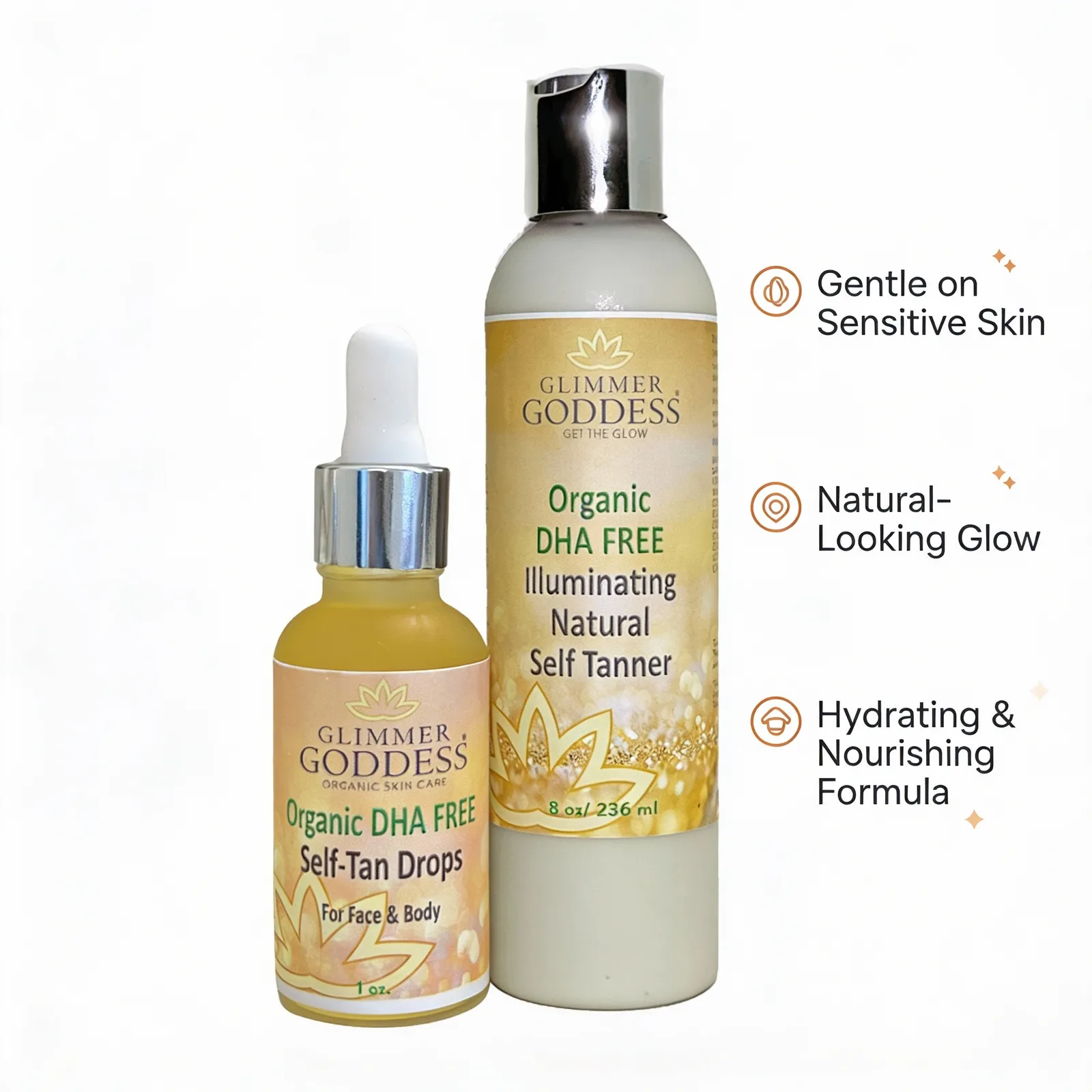
Stress and Emotional Triggers
Your nervous system and your skin are deeply connected. When you're stressed, your body releases cortisol and other inflammatory compounds that can trigger eczema flare-ups within hours or days.
Emotional stress might not cause eczema, but it absolutely can make existing eczema worse. If you notice flare-ups during stressful periods—work deadlines, relationship issues, major life changes—stress is likely a factor for you.
What helps: Stress management practices like yoga, meditation, deep breathing, and regular exercise can help reduce flare frequency. Your skincare routine itself can become a calming ritual that supports both your skin and mental health.
Rough or Irritating Fabrics
The clothing touching your skin matters more than you'd think. Rough wool, synthetic blends, and even some cottons can physically irritate eczema-prone skin and trigger inflammation.
Tight clothing also traps heat and sweat against your skin, which compounds the problem. Your skin needs to breathe.
What helps: Wear soft, breathable natural fabrics like 100% cotton or bamboo. Look for clothing labeled hypoallergenic or dermatologist-tested. Wash new clothes before wearing them to remove manufacturing chemicals and dyes.
Heat, Sweat, and Temperature Changes
Sudden temperature shifts—like moving from a cold room into a hot one—can stress your skin's barrier. Heat also increases sweating, and sweat itself can irritate eczema-prone skin, especially in skin folds and creases.
This is particularly problematic during exercise or in humid climates. Sweat + friction + heat = a perfect storm for flare-ups.
What helps: After sweating, rinse your skin gently with cool water and pat dry (don't rub). Change out of sweaty clothes immediately. Avoid extremely hot showers or baths—lukewarm water is gentler on your skin barrier.
Irritating Makeup and Cleaning Products
Harsh household cleaners release fumes and leave chemical residues that irritate sensitive skin. Some makeup products—especially those with fragrance or talc—can trigger flare-ups on your face.
If you're breaking out around your eyes or cheeks, your makeup or face wash might be the cause. Many conventional beauty products aren't formulated for eczema-prone skin.
What to look for: Switch to fragrance-free makeup and use natural cleaning products (vinegar and water work surprisingly well). When cleansing your face, use gentle, hydrating formulas designed for sensitive skin. The Fresh Start Duo – Hydrating Cleanser & Toner is formulated to cleanse without stripping moisture, making it ideal for eczema-prone faces.
Allergens and Dust Mites
Common allergens like dust mites, pet dander, pollen, and mold can trigger eczema flare-ups, especially if you have a history of allergies or asthma. Food allergens (like dairy or eggs) may also play a role for some people, though individual responses vary widely.
If you suspect allergens, keep a symptom diary. Track what you eat, your environment, and when flare-ups occur. Over time, patterns will emerge.
What helps: Wash bedding weekly in hot water to kill dust mites. Use air purifiers in bedrooms. Avoid known personal allergens when possible. Work with your dermatologist or allergist to identify triggers specific to your body.
Skin Infections

Eczema makes your skin barrier weaker, which means bacteria can more easily colonize the surface. Secondary skin infections (bacterial or fungal) can trigger severe flare-ups. This is why keeping your skin clean and moisturized is so important.
What helps: Maintain excellent hygiene without over-washing. Moisturize immediately after bathing to seal your barrier. If you suspect an infection (increased warmth, pus, or crusting), see your dermatologist right away.
How to Identify Your Personal Eczema Triggers
The most effective way to manage eczema is identifying which specific triggers affect you. Start by keeping a flare-up journal.
Write down:
- What you ate in the 24 hours before a flare
- Products you used (cleanser, moisturizer, laundry detergent, shampoo)
- Environmental factors (temperature, humidity, stress level)
- What you wore that day
- How severe the flare was and how long it lasted
After 2-3 weeks of tracking, patterns will start showing. You might realize that flare-ups always happen after you use a certain body lotion, or that they spike during high-stress weeks.
Once you've identified a suspected trigger, eliminate it for 2-3 weeks and observe whether your skin improves. If it does, you've found one of your culprits.
Building an Eczema-Friendly Skincare Routine
The right skincare routine supports your skin barrier and reduces flare-ups. Here's what works for most eczema-prone skin types.
Cleanse gently: Use a fragrance-free, sulfate-free cleanser twice daily (morning and night). Avoid hot water—lukewarm is best. Pat skin dry gently instead of rubbing.
Moisturize immediately: Apply a rich, fragrance-free moisturizer within 3 minutes of cleansing while your skin is still slightly damp. This locks in hydration and supports your skin barrier.
Use soothing, natural ingredients: Look for moisturizers with oat extract, ceramides, hyaluronic acid, or plant oils. Avoid products with fragrance, alcohol, or synthetic dyes. If you're shopping for ultra-hydrating body butter formulated for extremely dry skin, choose one packed with organic botanicals rather than synthetic fillers.
Avoid active ingredients temporarily: If your skin is actively flaring, skip vitamin C serums, retinol, and exfoliating acids. Wait until your barrier heals before reintroducing these.
When to See a Dermatologist
If you're experiencing frequent, severe, or worsening flare-ups, professional help is essential. A dermatologist can:
- Confirm you have eczema and rule out other skin conditions
- Perform allergy testing to identify specific allergens
- Recommend prescription treatments if over-the-counter products aren't enough
- Create a personalized management plan based on your triggers
Don't try to white-knuckle through eczema alone. Your skin health matters, and professional guidance can save you months of trial-and-error.
For more information on eczema management, the Mayo Clinic offers evidence-based resources on eczema causes and management strategies.
Supporting Sensitive Skin Beyond Skincare
Your daily habits matter as much as the products you use. Small lifestyle tweaks can prevent flare-ups from happening in the first place.
Use unscented laundry detergent and avoid fabric softeners (they coat fabric with irritating chemicals). Wash new clothing before wearing. Stay hydrated throughout the day—dehydration makes eczema worse. Manage stress through movement, sleep, and relaxation. Keep indoor humidity between 40-60%.
Think of eczema management as a holistic practice, not just a skincare problem. When you address triggers across multiple areas of your life, your skin responds dramatically.
Brands like Glimmer Goddess understand that managing eczema requires clean products that actually work. That's why their entire line is fragrance-free and formulated for sensitive, reactive skin.
Related: Is Eczema Contagious? What You Actually Need to Know
Can certain foods cause eczema flare-ups?
Some people experience worsening eczema after eating certain foods—commonly dairy, eggs, nuts, soy, or gluten. However, food triggers vary significantly between individuals, and there's no universal food that causes flare-ups for everyone. If you suspect a food trigger, eliminate it for 2-3 weeks and track your skin's response. Working with a dermatologist or allergist is helpful for identifying whether food plays a role in your specific flare-ups.
How long does an eczema flare-up typically last?
Flare duration varies widely based on severity and how quickly you address triggers. Mild flare-ups might resolve in 3-5 days with proper moisturizing and trigger avoidance. Severe flare-ups can last 2-4 weeks, especially if you continue exposure to the trigger. Getting immediate dermatological care for severe flare-ups can shorten healing time significantly.
Can winter weather alone cause eczema?
Winter doesn't cause eczema, but the cold, dry conditions significantly worsen existing eczema. Low humidity, indoor heating systems, and harsh weather all strip moisture from your skin barrier. If your eczema only flares in winter, humidity and temperature changes are likely major triggers for you. Using a humidifier and intensifying your moisturizing routine during winter months helps prevent seasonal flare-ups.
What's the difference between eczema triggers and eczema causes?
Eczema itself is caused by a combination of genetics and immune system dysfunction—you're either predisposed to eczema or you're not. Triggers are the environmental, lifestyle, or product-related factors that activate flare-ups in people who already have eczema. Understanding this distinction is important: you can't change your genetics, but you can absolutely control your triggers.
Want the glow?
Shop the Routine →