



Does Eczema Spread? What You Need to Know

Here's the straight answer: eczema is not contagious and won't spread to other people. But it can spread to different areas of your own body if you're not careful. That's the distinction that matters when you're dealing with persistent rashes, itching, and irritation.
The good news? You have real control over whether eczema stays localized or creeps across your skin. Understanding what triggers the spread and how to respond makes all the difference in keeping flare-ups manageable.
Related: Does Eczema Go Away? The Truth About Managing Flare-Ups
In this article
- Eczema Isn't Contagious to Others
- How Eczema Does Spread on Your Body
- Why the 3-Minute Rule Matters for Prevention
- How to Stop Eczema From Spreading: Practical Steps
- When to Talk to a Dermatologist
- Building a Routine That Supports Your Skin
- The Role of Stress and Sleep in Spread Prevention
- Food Triggers and Eczema Spread
Eczema Isn't Contagious to Others
Let's get this out of the way first. Eczema is a chronic skin condition rooted in your immune system and skin barrier function. It's not caused by bacteria, viruses, or fungi that you can pass along to someone else.
If your partner or friend has eczema too, they developed it independently based on their own genetics, immune response, and environmental triggers. You didn't give it to them, and they didn't give it to you. That's actually reassuring, especially if you've been worried about physical contact with loved ones.
Related: Is Eczema Contagious? What You Actually Need to Know
How Eczema Does Spread on Your Body
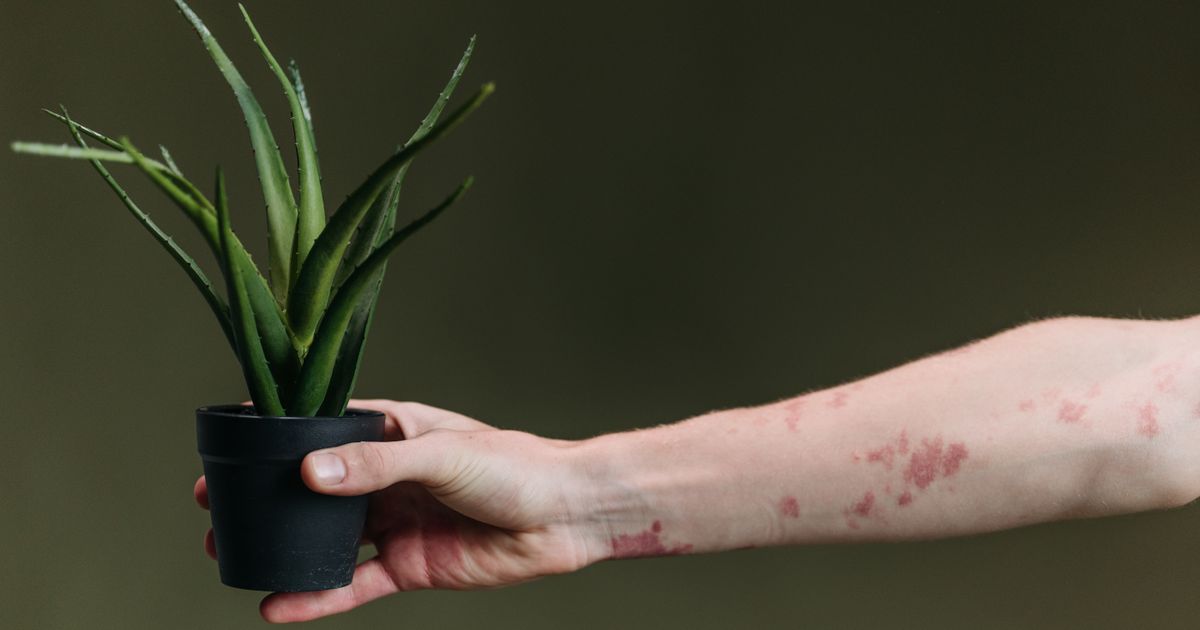
Even though eczema won't jump to another person, it can absolutely travel across your own skin. This is what most people are really asking about when they worry about spread.
The main culprits behind body-wide spread:
- Scratching affected areas. This is the biggest trigger. When you scratch itchy skin, you break the barrier, introduce bacteria, and can accidentally spread inflammation and irritation to nearby healthy skin.
- Contact with irritants. If your hands have been touching triggers (harsh fabrics, fragrances, or allergens), you can transfer that irritation when you touch other parts of your body.
- Secondary infections. When eczema patches get infected from scratching, the infection can spread to other areas if bacteria transfer through contact.
- Flare-up cascades. One bad flare-up can weaken your entire skin barrier, making other areas vulnerable to developing eczema-like patches.
Why the 3-Minute Rule Matters for Prevention
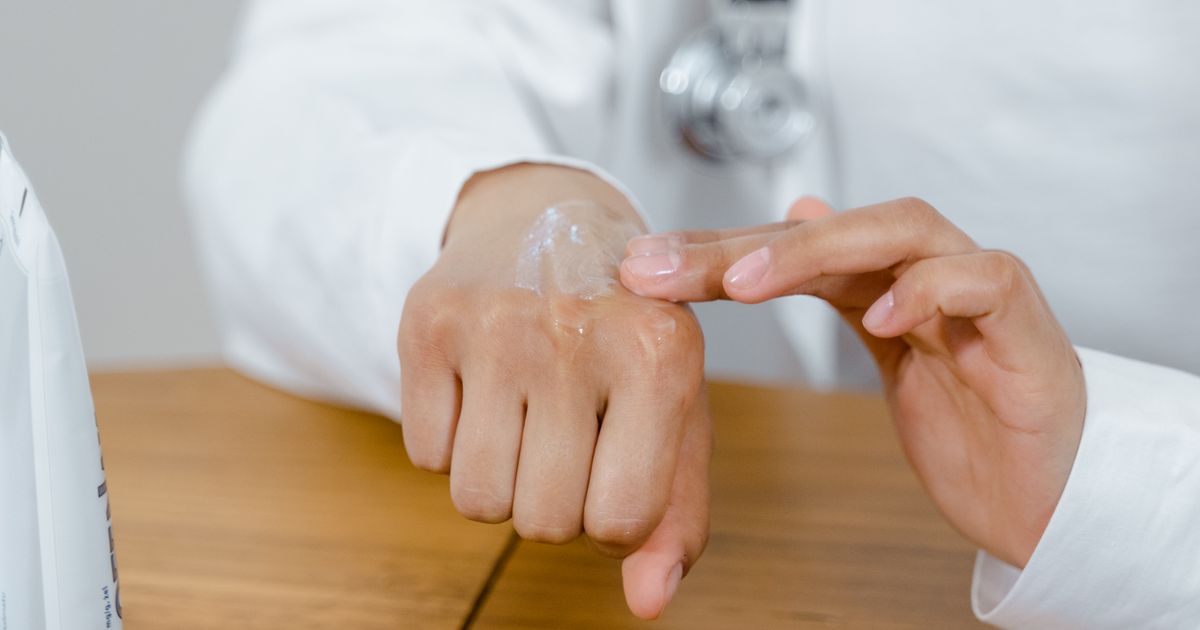
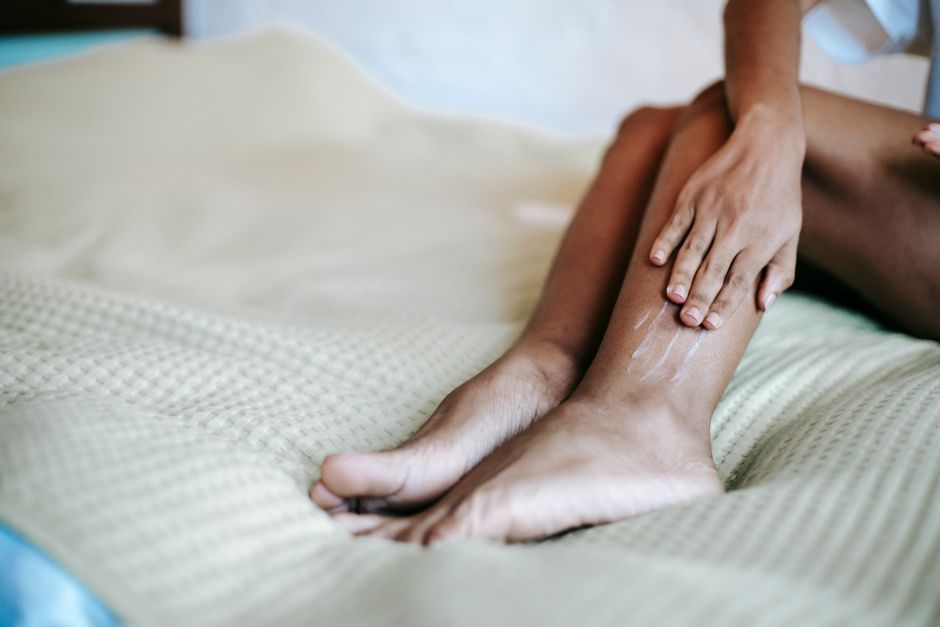
One of the most evidence-backed strategies to stop eczema spread is timing your moisturizer application correctly. Apply a hydrating product within 3 minutes of bathing or showering while your skin is still damp.
Here's why this works: hot water strips away your skin's natural oils, leaving it vulnerable. If you wait too long to moisturize, your skin gets even drier, your barrier weakens, and eczema is more likely to spread or flare.
Look for rich, occlusive moisturizers that lock in water and protect your skin barrier. The Whipped Body Butter from Glimmer Goddess is designed to seal in moisture and support skin comfort for people managing dry, sensitive skin conditions. Apply it while your skin is still slightly damp for maximum absorption.
Want the glow?
Shop the Routine →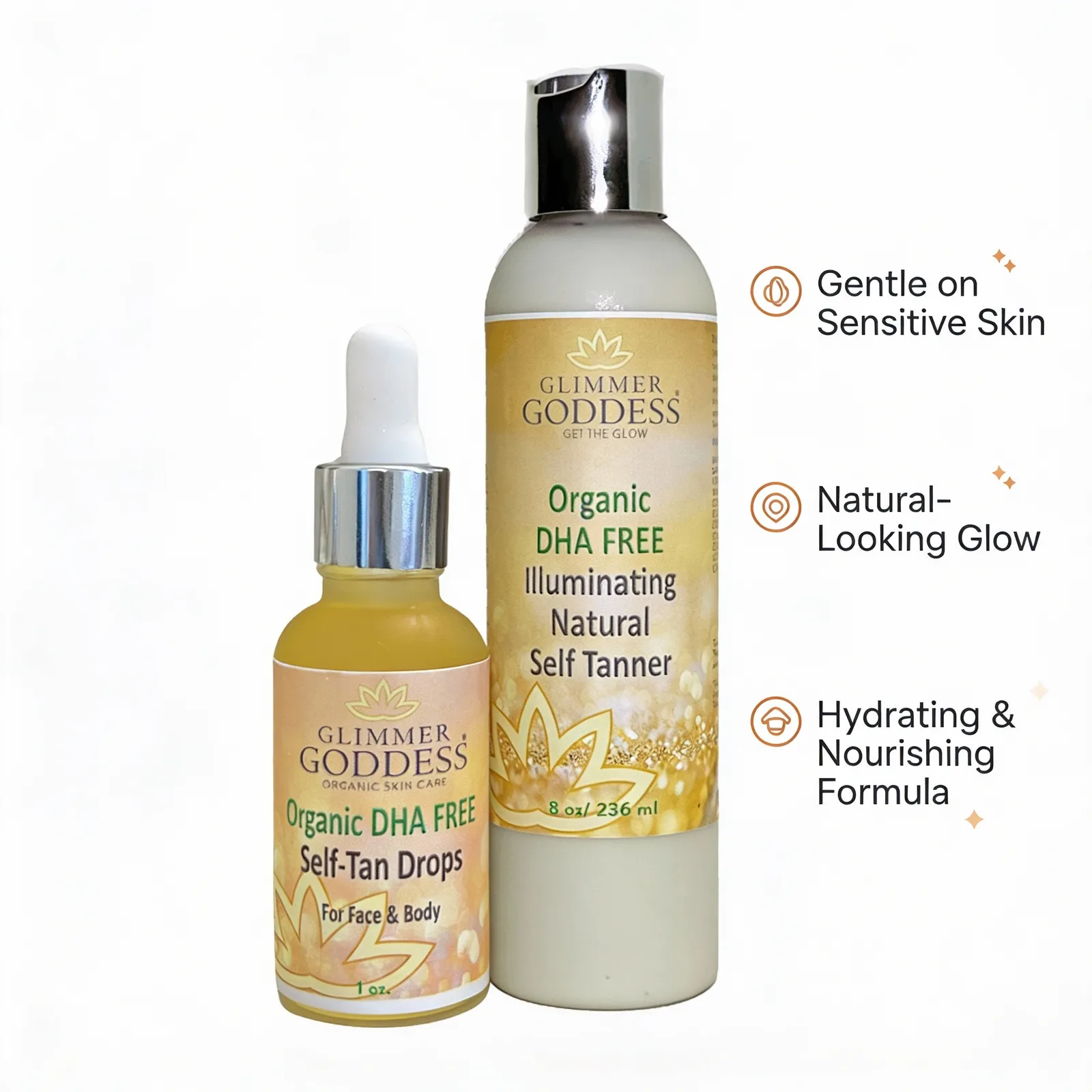
How to Stop Eczema From Spreading: Practical Steps
Keep your nails short. This reduces damage when (not if) you scratch. File them smooth so even accidental scratching causes less harm.
Wear soft, breathable fabrics. Cotton and bamboo are gentler than synthetics or rough blends. Skip anything with tight elastic or seams that irritate your skin.
Identify and avoid your personal triggers. Common ones include fragranced products, dyes, extreme temperatures, stress, and certain foods. Track what you're using and how your skin responds. This is individual to you, so what triggers your eczema might not trigger someone else's.
Use fragrance-free everything. Switch to unscented soaps, laundry detergent, and skincare. Fragrance is one of the most common irritants that can spread inflammation.
Related: What Does Eczema Look Like? Signs to Know on Every Skin Tone
Shower in lukewarm, not hot, water. Hot water feels good temporarily but damages your skin barrier. Keep showers short too.
Pat skin dry gently. Don't rub. Rubbing can irritate and spread redness.
When to Talk to a Dermatologist
If eczema is spreading across your body despite your best efforts, that's your signal to get professional guidance. A dermatologist or primary care physician experienced with eczema can:
- Identify specific triggers you might be missing
- Recommend prescription or topical treatments if over-the-counter moisturizing isn't enough
- Rule out secondary infections that might be fueling the spread
- Discuss newer treatment options, including biologic therapies that target specific inflammatory pathways
Modern eczema treatment has evolved significantly. Mayo Clinic notes that while no cure exists yet, research has identified underlying mechanisms like filaggrin protein deficiency that researchers continue to address. Newer biologic medications work differently than older treatments by targeting specific immune pathways (IL-4, IL-13, and IL-31 cytokines) rather than broad inflammation.
Building a Routine That Supports Your Skin
The key to preventing spread is consistency. Your skin thrives on routine because predictability reduces stress on your immune system and lets your barrier function more smoothly.
Morning routine: Gentle cleanse, pat dry, moisturize within 3 minutes, apply SPF if you're leaving the house.
Evening routine: Gentle cleanse (or just rinse with water if skin is very irritated), pat dry, apply a richer moisturizer or occlusive treatment while skin is damp.
Weekly: Look for any new patches forming or existing patches spreading. If you spot changes, dial back any new products and focus extra on hydration.
Products like the Glimmer Goddess collection are formulated without synthetic fragrances, harsh surfactants, or common irritants, making them easier to layer into a sensitive-skin routine without triggering flares.
The Role of Stress and Sleep in Spread Prevention

Eczema doesn't care about logic, but it does respond to your overall wellness. Stress and poor sleep both weaken your immune system and make your skin barrier more fragile.
If you're stressed or sleep-deprived, your body releases more inflammatory markers. That creates conditions where eczema not only spreads more easily but also becomes harder to calm down.
Prioritize sleep, practice stress-reduction (whatever works for you: meditation, walks, journaling), and treat skincare as self-care rather than a chore. This mindset shift actually helps you stay consistent with routines, which prevents spread.
Food Triggers and Eczema Spread
Some people notice that certain foods make their eczema worse, but the relationship is complex and highly individual. Common suspects include dairy, nuts, eggs, soy, and histamine-rich foods, but these don't trigger eczema flares in everyone.
If you suspect a food connection, keep a simple log of what you eat and how your skin responds over a few weeks. Patterns may emerge. If they do, discuss them with your doctor or a dietitian. Removing foods without guidance can create nutritional gaps, so personalized advice matters here.
Does eczema spread when you scratch it?
Yes. Scratching is one of the fastest ways to spread eczema to nearby areas. When you break the skin barrier through scratching, you create inflammation and risk introducing bacteria. Keep nails short, use moisturizer to reduce itching intensity, and if you find yourself scratching at night, consider cotton gloves while sleeping.
Can eczema spread to your face from your hands?
Absolutely. Your hands touch your face constantly. If you have active eczema on your hands and you touch your face without thinking, you can transfer irritation and inflammation. Be extra mindful about hand hygiene and moisturizing your hands thoroughly if you have eczema there.
Is it safe to use regular lotion on eczema-prone skin?
Most conventional lotions are too light for eczema. They contain water that evaporates quickly without sealing in moisture. Look for creams or butters with occlusive ingredients like shea butter, ceramides, or plant oils. These actually trap water in your skin instead of letting it escape.
How fast can eczema spread across your body?
It depends on how aggressive the triggers are and how quickly you respond. A minor irritant might cause slow spread over weeks, while a major trigger (like a new fragrance or fabric) can cause noticeable spread in days. The faster you identify triggers and adjust your routine, the faster you can stop the spread.
Want the glow?
Shop the Routine →