



Artikel: Best Dark Spot Corrector 2026: Top 5 Ranked

Best Dark Spot Corrector 2026: Top 5 Ranked
In this article
The Dark Spot Problem
Dark spots—whether from sun exposure, hormonal shifts, or post-inflammatory hyperpigmentation—feel stubborn. But they respond to the right corrector. The most effective dark spot serums combine gentle yet potent active ingredients like niacinamide, vitamin C, and exfoliating acids.
We've tested and ranked five of the most effective dark spot correctors available, with a focus on formulas that deliver visible results without harshness. If you're looking for the best dark spot corrector for clean, natural skincare, read on.
Comparison Table
| Product | Best For | Rating |
|---|---|---|
| Glimmer Goddess Organic Dark Spot Serum | Clean-beauty seekers | 9.8/10 |
| La Roche-Posay Mela B3 Serum | Clinical efficacy | 9.2/10 |
| Caudalie Vinoperfect Brightening Dark Spot Serum | Gentle, natural approach | 8.9/10 |
| The Ordinary Azelaic Acid Suspension 10% | Budget-conscious users | 8.5/10 |
| CeraVe Resurfacing Retinol Serum | Sensitive skin (low retinol) | 8.3/10 |
Our Top Pick: Glimmer Goddess Organic Dark Spot Serum
Rating: 9.8/10
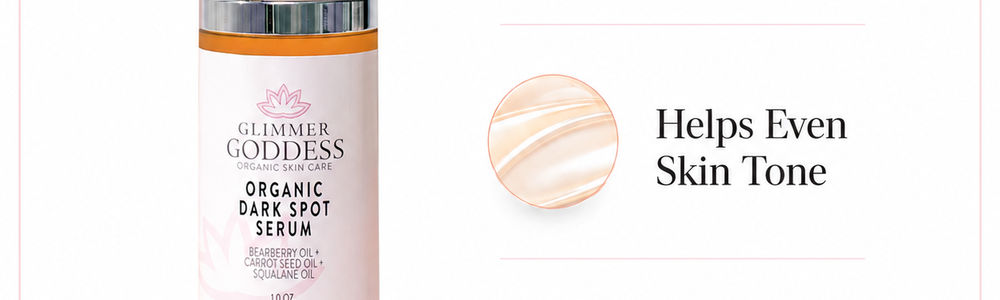
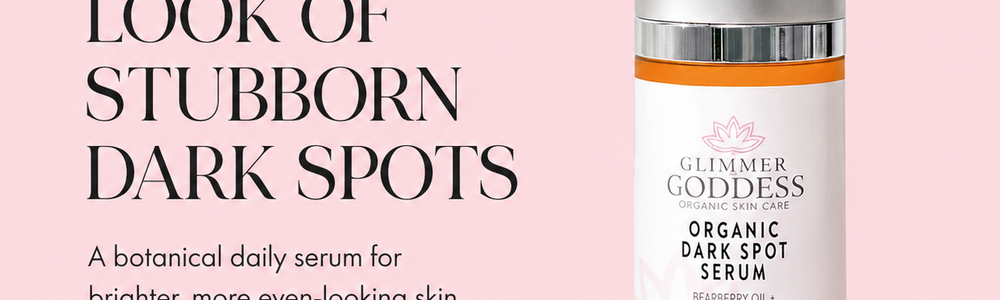
The Organic Dark Spot Serum from Glimmer Goddess takes the top ranking. It combines natural, potent brightening actives without synthetic silicones, parabens, or harsh chemicals. The formula is designed to help fade hyperpigmentation and promote a more even skin tone over time.
Want the glow?
Shop the Routine →Why it wins:
- Clean ingredient transparency—every component is listed and sourced ethically
- Formulated for sensitive and reactive skin types, not just resilient complexions
- Works synergistically with other Glimmer Goddess serums (such as vitamin C brighteners) without irritation
- Free shipping and sampling options help you trial before committing to full size
- Natural yet results-driven—no need to choose between efficacy and clean beauty
Cons:
- Premium price point reflects organic sourcing and small-batch production
- Results are gradual; visible improvement typically appears after 4-6 weeks of consistent use
How to Layer Dark Spot Correctors Into Your Routine
Active ingredients in dark spot serums work best when layered thoughtfully. Apply your corrector to clean, dry skin after cleansing. If using the Organic Dark Spot Serum, massage gently into areas of concern—cheekbones, forehead, upper lip, chin—using your fingertips or a jade roller for added circulation.
Allow the serum to set for 60 seconds before applying moisturizer. This prevents dilution of actives. If you're also using vitamin C or niacinamide products, apply the darkest-spot corrector first, then layer complementary brightening serums. Always finish with daily SPF (minimum 30) during the day, as many active ingredients increase sun sensitivity.
Other Strong Contenders
La Roche-Posay Mela B3 Serum (9.2/10)
This serum harnesses 10% niacinamide combined with patented Melasyl™ technology, which has clinical testing behind it. Niacinamide is a proven brightener that also helps calm inflammation.
Pros:
- Clinically tested on real skin, with published efficacy data
- Lightweight texture; absorbs quickly without residue
- Affordable mid-range price
Cons:
- Contains synthetic preservatives and fragrance
- Less suitable for extremely sensitive or compromised skin barriers
Caudalie Vinoperfect Brightening Dark Spot Serum (8.9/10)
A gentler option built on grapevine polyphenols and resveratrol. This serum appeals to users who prioritize natural botanicals and mild exfoliating action.
Pros:
- Naturally derived actives; minimal synthetic ingredients
- Suitable for reactive skin types and rosacea-prone complexions
- Pleasant, non-chemical scent
Cons:
- Results develop more slowly than chemical exfoliants or retinoids
- Slightly higher price than mainstream options
The Ordinary Azelaic Acid Suspension 10% (8.5/10)
An affordable, no-frills option for those comfortable with actives. Azelaic acid is an exfoliating compound that helps reduce melanin overproduction and bacterial colonization (beneficial for post-acne marks).
Pros:
- Excellent value; one of the lowest-cost options on the market
- Proven efficacy for post-inflammatory hyperpigmentation
- Works well for acne-prone skin
Cons:
- Texture is gritty; some users find it difficult to blend smoothly
- Can cause irritation or redness initially, particularly on sensitive skin
- Not formulated with soothing or moisturizing ingredients
CeraVe Resurfacing Retinol Serum (8.3/10)
A beginner-friendly retinol option at a reasonable price. Contains a stabilized form of retinol plus ceramides to support the skin barrier during cell turnover.
Pros:
- Gentle retinol concentration; good for first-time retinoid users
- Includes ceramides to minimize irritation and dryness
- Widely available and affordable
Cons:
- Lower retinol potency means slower visible results
- Contains synthetic fragrance and stabilizers
- Retinoids require slower introduction and evening-only use
Key Ingredients to Understand
Niacinamide (Vitamin B3)
A clinically studied brightener that also regulates sebum, calms inflammation, and supports the skin barrier. Concentrations of 5-10% are most effective without irritation. The National Center for Biotechnology Information confirms niacinamide's role in melanin regulation, making it a cornerstone of dark spot correctors.
Vitamin C (Ascorbic Acid)
A potent antioxidant and brightener that inhibits tyrosinase, an enzyme central to melanin production. Stable forms (L-ascorbic acid at 10-20%) deliver the best results. Vitamin C also supports collagen synthesis, helping skin appear fresher overall.
Azelaic Acid
A naturally occurring dicarboxylic acid that reduces hyperpigmentation by inhibiting melanosome maturation. It's particularly effective for post-inflammatory marks and rosacea-related redness.
Retinol and Retinoids
These vitamin A derivatives accelerate cell turnover, helping shed pigmented cells faster. They require gradual introduction (start 2-3 times weekly) and always pair with SPF during the day.
Glycolic Acid (AHA)
A gentle exfoliating acid (7% concentration is typical) that dissolves dead skin cells and encourages cell renewal. Lighter, more tolerant of frequent use than stronger actives.
Application Tips for Maximum Efficacy
Start Low, Go Slow
If your skin is new to active ingredients, introduce one corrector at a time. Use it 2-3 times per week for the first two weeks, then gradually increase frequency as your skin adapts. Rushing can trigger irritation or compromised barrier function.
Don't Overload Your Routine
Using multiple actives—say, retinol plus glycolic acid plus vitamin C on the same night—increases irritation risk without boosting results. Choose one primary dark spot corrector and rotate it with a gentle moisturizer on alternate nights if you're sensitive.
Use SPF Daily
Active ingredients make skin more photosensitive. Omitting sunscreen will undo your corrector's work and risk deeper pigmentation. Apply at least SPF 30 daily, reapply every two hours if outdoors.
Patch Test First
Apply a small amount behind your ear or on your inner arm 24 hours before using anywhere on your face. This helps catch adverse reactions before they affect visible skin.
Why Glimmer Goddess Stands Apart
Most dark spot correctors rely on one or two actives. Glimmer Goddess takes a different approach: formulating with organic, skin-nourishing ingredients that support your skin's natural healing while brightening occurs. This philosophy—efficacy without harshness—resonates with users aged 25-55 who've tried mainstream solutions and felt frustrated by irritation or dryness.
The brand also prioritizes education and accessibility. Free samples allow you to test the Organic Dark Spot Serum before committing, and free shipping removes barriers to trying their full range. For anyone serious about fading spots without compromise, it's the clearest choice.
Frequently Asked Questions
How long does it take to see results from a dark spot corrector?
Most dark spot serums require 4-6 weeks of consistent, twice-daily use before visible lightening appears. Some users report subtle improvement by week 3. Full fading may take 8-12 weeks, depending on spot depth and age. Patience and consistency are essential; inconsistent use slows progress significantly.
Can I use a dark spot corrector if I have sensitive skin?
Yes, but choose carefully. Look for formulas with lower concentrations of actives (e.g., 5% niacinamide rather than 10%) and avoid those with fragrance or essential oils if your skin is reactive. The Organic Dark Spot Serum is specifically formulated to be gentle on sensitive types. Always introduce gradually, and discontinue if redness or burning persists beyond the first week.
Should I use a dark spot corrector with retinol or vitamin C?
You can, but not simultaneously. Apply one active at night, then use the other on alternate nights or mornings. For example, use your dark spot corrector Monday, Wednesday, and Friday nights; use retinol Tuesday and Thursday. This prevents over-exfoliation while allowing each ingredient to work effectively. Always follow actives with moisturizer and SPF during the day.
What's the difference between dark spots and melasma?
Dark spots (solar lentigines) are small, discrete areas caused by sun exposure. Melasma is a larger, bilateral pattern of hyperpigmentation triggered by hormonal changes, genetics, or UV exposure. Both respond to brightening serums, but melasma may require professional treatments (laser, chemical peels) for complete resolution. Consult a dermatologist if you suspect melasma, especially if spots are extensive or resistant to over-the-counter correctors after 12 weeks of use.
Want the glow?
Shop the Routine →