



Zum Inhalt springen

Melden Sie sich an, um Ihre Prämien zu sehen

Anmelden

Warenkorb

Dein Warenkorb ist leer

Artikel: Aloe Vera for Dark Spots: Does It Work? Complete Guide

Aloe Vera for Dark Spots: Does It Work? Complete Guide

Aloe Vera for Dark Spots: Does It Work? Complete Guide

Dark spots are frustrating, but here's the good news: aloe vera can help support the gradual fading of hyperpigmentation when used consistently. The plant contains natural compounds that work with your skin to reduce the appearance of discoloration, making it one of the gentler options in your dark spot toolkit.

If you're looking for ways to tackle uneven skin tone, understanding how aloe vera works—and how to actually use it—is the difference between seeing real results and giving up after a few weeks. Let's break down what the science says and give you a practical roadmap for getting started.

How Aloe Vera Helps With Dark Spots

Aloe vera works against dark spots through a compound called aloin, which is a natural depigmenting agent. Instead of bleaching your skin (yikes), aloin gently encourages your skin cells to turn over at a healthier rate, which helps fade hyperpigmentation gradually.

Beyond the aloin, aloe vera is also packed with skin-soothing properties. Dark spots often come with inflammation or irritation, and aloe vera's anti-inflammatory nature helps calm your skin while the depigmenting compounds do their work. It's like a two-step fix in one plant.

The key thing to understand: this process takes time. You won't see dramatic results in a week. But when you use aloe vera consistently over several weeks, many people notice their spots becoming lighter and less noticeable. Glimmer Goddess customers often combine aloe vera with other brightening ingredients to speed up the process, which we'll cover below.

Glimmer Goddess

The Science Behind Aloe Vera and Hyperpigmentation

Research on aloe vera for dark spots is still emerging, but what exists is encouraging. A limited but positive amount of scientific evidence suggests that aloe vera can help reduce the appearance of skin hyperpigmentation over time. The NIH's PubMed database contains several small studies showing that aloe vera's active compounds support gradual lightening of discolored areas.

The results aren't dramatic or instant, but they're consistent. Most users see noticeable fading after 4-8 weeks of regular application. Your individual results will depend on how deep the spots are, how long you've had them, and your skin type.

One thing dermatologists agree on: natural doesn't automatically mean safer or more effective for everyone. If your dark spots are severe or caused by sun damage, a dermatologist can give you personalized guidance on whether aloe vera alone is enough or if you'd benefit from combining it with other treatments.

Best Ways to Apply Aloe Vera for Dark Spots

Aloe vera is flexible—you can use it in several different ways depending on your preference and skin type. Here are the most effective application methods:

Direct Aloe Gel Application

This is the simplest approach. Apply pure aloe vera gel directly to the dark spots, using your fingertip or a small brush. You can do this twice daily (morning and night) or just before bed if your skin is sensitive. Let it absorb for 10-15 minutes before applying other products or makeup.

Aloe Vera Spot-Correcting Cream

If you want a more elegant texture or better stability, look for dedicated aloe vera creams formulated specifically for spot correction. These blend aloe with other brightening ingredients and are designed to stay on your skin without feeling sticky. Apply to clean skin, targeting the spots directly.

Aloe, Honey, and Lavender Mixture

For a DIY boost, mix pure aloe vera gel with raw honey and a drop or two of lavender essential oil. Honey adds skin-soothing and antibacterial benefits, while lavender supports skin recovery. Apply this as a mask or spot treatment 2-3 times per week.

Overnight Aloe Cream Treatment

Your skin repairs itself most actively at night. Apply aloe vera as a thick layer before bed and let it work while you sleep. This method is especially helpful if your spots are on your face, since you're not wiping away the treatment with makeup or sunscreen during the day.

Aloe Vera Routines for Different Skin Types

aloe vera for dark spots

Dark spots don't look the same on every skin tone, and neither does every skincare routine. Here's how to customize your aloe vera approach:

For Oily or Acne-Prone Skin

Use pure aloe gel or a lightweight aloe cream once daily (usually at night). Skip heavy moisturizers on top—aloe provides enough hydration on its own. If you're using aloe during the day, apply sunscreen 15 minutes after it dries to prevent new spots from forming.

For Dry or Sensitive Skin

Layer aloe vera under a nourishing moisturizer to lock in hydration. Apply aloe first, wait 2-3 minutes for it to absorb, then add your regular moisturizer. This combination prevents irritation while giving the aloe room to work. Consider using aloe twice daily if your skin tolerates it well.

For Combination Skin

Apply aloe only to the areas with dark spots, not your entire face. This lets you target problem zones without overhydrating areas that don't need it. Use it once or twice daily depending on how your skin responds.

Pairing Aloe Vera With Other Brightening Ingredients

Aloe vera works even better when combined with complementary ingredients. Here are the most effective pairings:

Aloe + Vitamin C: Vitamin C is one of the most researched brightening ingredients available. When paired with aloe, the combination supports faster fading of dark spots while maintaining skin barrier health. Apply a Vitamin C serum first, wait for it to dry, then apply aloe vera on top.

Aloe + Niacinamide: Niacinamide reduces inflammation and supports healthy melanin production. This pairing is ideal if your dark spots come with redness or irritation.

Aloe + Sunscreen: This is non-negotiable. UV exposure darkens existing spots and creates new ones. Always apply SPF 30 or higher during the day, even if you're using aloe. Sun protection is the foundation of any dark spot treatment plan.

If you're looking to build a complete brightening routine from the ground up, Glimmer Goddess offers thoughtfully formulated products that work seamlessly with aloe vera treatments to support clearer, more even-toned skin.

Want the glow?

Shop the Routine →

Timeline: When to Expect Results

Patience is critical here. Dark spots didn't form overnight, and they won't disappear overnight either. Here's a realistic timeline:

  • Weeks 1-2: Your skin may feel calmer and more hydrated, but spots look the same.
  • Weeks 3-4: Spots may start looking slightly less dark at the edges.
  • Weeks 5-8: Most people notice visible fading if they've been consistent.
  • 8+ weeks: Continued improvement as your skin cells fully turn over (roughly every 28 days).

Some dark spots fade completely. Others lighten significantly but don't disappear entirely. This depends on how deep the pigmentation goes and how your individual skin responds to treatment.

Common Mistakes That Slow Your Progress

aloe vera for dark spots

Using aloe vera is simple, but a few habits can sabotage your results:

Skipping sunscreen: If you apply aloe during the day but don't wear SPF, UV rays will keep darkening your spots. Make this non-negotiable.

Switching products too often: It takes 4-8 weeks to see results. If you change treatments every two weeks, you'll never give aloe a real chance to work.

Using expired aloe: Fresh aloe is most potent. If you're using store-bought gel, check the expiration date. If you're using fresh aloe leaves from a plant, use them within a few days of cutting.

Ignoring other triggers: If your dark spots are caused by hormonal changes, certain medications, or lifestyle factors, aloe alone won't address the root issue. Talk to a dermatologist if spots keep getting worse despite treatment.

Where to Source Quality Aloe Vera Products

Not all aloe vera products are created equal. Here's what to look for:

Fresh aloe leaves: If you grow aloe at home or have access to fresh leaves, this is the gold standard. Crack open a leaf and use the clear gel directly on spots. It's potent and free of preservatives.

Pure aloe vera gel: Look for products with minimal ingredients—ideally just aloe, a preservative, and maybe aloe polysaccharides. Avoid gels with added dyes, alcohol, or fragrance, which can irritate sensitive skin.

Aloe vera creams formulated for brightening: These blend aloe with other brightening agents like niacinamide or licorice extract. They're more elegant to use and formulated specifically for dark spot reduction.

If you're building a complete brightening routine that includes aloe vera, make sure each product is designed to work together. Glimmer Goddess specializes in clean, natural formulas that support skin clarity and even tone—perfect for layering with your aloe treatment.

FAQ: Your Dark Spot and Aloe Vera Questions Answered

Can aloe vera remove dark spots completely?

Aloe vera helps fade the appearance of dark spots over time, but complete removal depends on how deep the pigmentation is and your individual skin. Some spots lighten dramatically, while others become less noticeable but don't disappear entirely. Realistic expectations will keep you from feeling disappointed after a few weeks of use.

How long does it take aloe vera to work on dark spots?

Most people notice visible fading after 4-8 weeks of consistent, twice-daily application. Some see changes as early as three weeks, while others need 10-12 weeks. The timeline varies based on spot severity, skin type, and how consistently you use the treatment. Sun exposure during this period will significantly slow progress.

Can I use aloe vera during the day?

Yes, you can use aloe vera during the day, but it must be followed by sunscreen. UV rays will darken your spots faster than the aloe can fade them, so SPF is essential. Apply aloe, wait for it to absorb (2-3 minutes), then apply SPF 30 or higher. This combination is actually ideal for preventing new spots while fading existing ones.

Is aloe vera safe for all skin types?

Aloe vera is generally well-tolerated, but it's not perfect for everyone. If you have very sensitive skin or are prone to allergic reactions, do a patch test first by applying a small amount to your inner arm and waiting 24 hours. Some people experience mild dryness initially as aloe encourages cell turnover—this usually subsides after a week. If irritation continues, reduce frequency to once daily or every other day.

Want the glow?

Shop the Routine →

Mehr erfahren

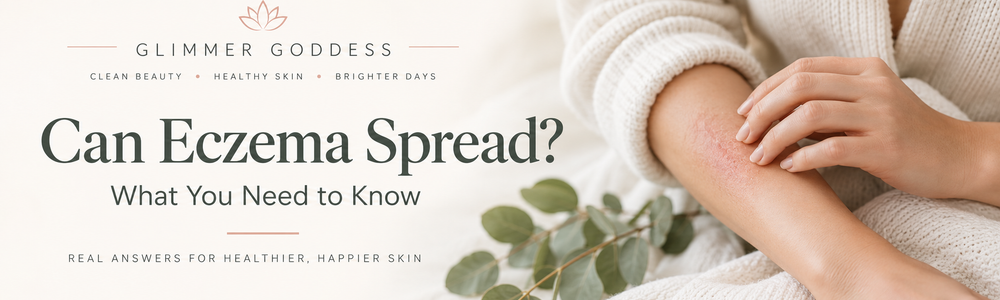
Can Eczema Spread? What You Need to Know
Guides

Can Eczema Spread? What You Need to Know

Good news: eczema itself isn't contagious and won't spread to other people. But rashes can travel to new areas of your skin, and we're breaking down exactly why—and what to do about it.

Weiterlesen