

Eczema Around the Mouth: Causes, Care & When to Get Help
A rash around the mouth can be eczema, but it can also be perioral dermatitis, contact dermatitis, or another skin condition. Because these conditions can look similar but may need different treatment, the safest starting point is a simple, gentle skin-care routine and professional evaluation when symptoms persist, worsen, or keep returning.
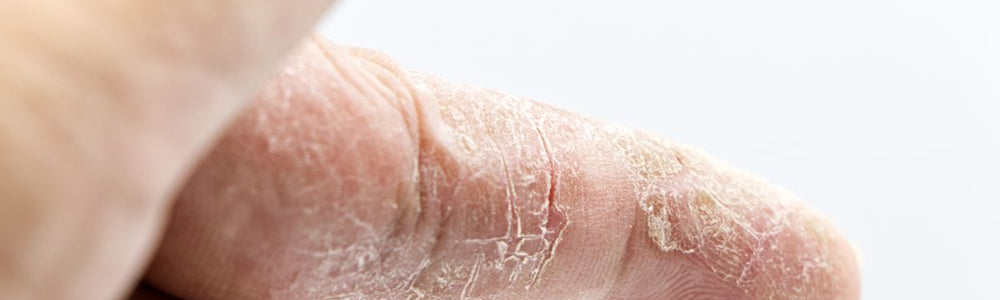
Facial eczema can affect the skin around the mouth and may include atopic dermatitis, contact dermatitis, or seborrheic dermatitis. The National Eczema Association notes that facial eczema can cause dryness, flaking, itching, burning, stinging, discoloration, and—in more severe cases—cracking or blistering.
For a broader explanation of eczema and flare patterns, see our What Is Eczema? Causes, Flare-Ups & Skin Care guide.
Can Eczema Occur Around the Mouth?
Yes. Eczema can develop on many areas of the face, including around the mouth. The exact cause depends on the type of dermatitis. For example, atopic dermatitis is linked with a weakened skin barrier and inflammation, while contact dermatitis develops when something touching the skin causes irritation or an allergic reaction.
Common facial triggers can include fragranced skin-care products, cosmetics, harsh cleansers, preservatives, dry air, temperature changes, and friction. Lip products, toothpaste, saliva, and frequent lip licking may also irritate the skin around the mouth in some people.
Eczema vs. Perioral Dermatitis Around the Mouth
One reason mouth-area rashes can be confusing is that perioral dermatitis can resemble eczema. According to the American Academy of Dermatology, perioral dermatitis may appear as small acne-like bumps with dry or flaky skin and can itch or burn.
Perioral dermatitis is not contagious. Its exact cause is not always clear, but skin-care products, toothpaste, and corticosteroid use can sometimes play a role. Because eczema and perioral dermatitis are treated differently, a persistent rash around the mouth is worth having correctly diagnosed rather than treating by appearance alone.
If you are comparing different forms of dermatitis, our Psoriasis vs Eczema vs Dermatitis: Key Differences guide can help clarify the terminology without replacing a professional diagnosis.
Common Triggers to Consider
If the skin around your mouth is irritated, think about everything that regularly touches the area. Potential triggers include:
- Fragrance and flavoring: Fragranced cosmetics, lip products, essential oils, and flavored oral-care products can irritate sensitive skin or trigger contact dermatitis in some people.
- Harsh cleansers and exfoliants: Scrubs, strong acids, and products that leave the skin feeling tight or stinging can make an already-irritated barrier harder to tolerate.
- Cosmetics and skin-care products: A new lipstick, balm, sunscreen, moisturizer, makeup product, or treatment can sometimes be the source of irritation.
- Toothpaste and oral-care products: Ingredients in toothpaste or mouth-care products can irritate the skin around the lips in some people.
- Environmental dryness and friction: Cold air, low humidity, repeated wiping, rubbing, or lip licking can contribute to dryness and irritation.
Keeping the routine simple can make it easier to identify whether a product or habit is contributing.
A Gentle Skin-Care Routine While the Area Is Irritated
When the skin around the mouth is inflamed or uncomfortable, this is generally not the time to experiment with multiple active ingredients. A simpler routine is easier to tolerate and easier to troubleshoot.
- Cleanse gently. Use lukewarm water and a mild, fragrance-free cleanser if cleansing is needed. Avoid scrubbing.
- Moisturize with a simple, fragrance-free formula. Choose a moisturizer or emollient that you already know your skin tolerates, and stop using it if it consistently stings or worsens the area.
- Temporarily simplify active skin care. Strong exfoliating acids, scrubs, fragranced botanicals, and other potentially irritating treatments are best avoided directly on an undiagnosed active rash until the cause is clearer.
- Protect the area from unnecessary friction. Pat rather than rub, and try to reduce repeated licking or wiping around the lips.
- Use sun protection you can tolerate. If sunscreen stings the affected area, ask a dermatologist for help finding an option appropriate for your skin condition rather than forcing a product that makes the rash worse.
“Natural” does not automatically mean non-irritating. Essential oils, fragrance components, and botanical extracts can still trigger irritation or allergic contact dermatitis, so ingredient simplicity is often more useful than a natural-versus-synthetic label.
For general routine-building principles outside an active flare, read Eczema-Prone Skin Care: How to Build a Gentler Routine. Our Natural & Organic Skincare by Skin Concern guide is also useful for exploring routine categories when skin is calm; cosmetics should not be used as a substitute for diagnosis or treatment of a mouth-area rash.
What About Topical Steroids?
This is an important area where self-treatment can backfire. Some types of facial eczema are treated with carefully selected low-potency topical corticosteroids or other prescription medicines under medical guidance. However, corticosteroid use can also trigger or worsen perioral dermatitis in some people.
The American Academy of Dermatology advises people using a prescription corticosteroid to ask the prescribing clinician whether they should stop it. Nonprescription hydrocortisone may also contribute to perioral dermatitis, but changes to a treatment plan are safest when the diagnosis is clear.
Do not assume that a rash around the mouth should automatically be treated with—or automatically taken off—a steroid without considering what the rash actually is.
When to See a Dermatologist
Consider professional evaluation when a mouth-area rash is persistent, worsening, painful, repeatedly returns, or is difficult to identify. A dermatologist can help distinguish eczema from perioral dermatitis, allergic or irritant contact dermatitis, fungal conditions, and other look-alike rashes.
Seek care sooner if you notice significant swelling, rapidly spreading redness, severe pain, drainage, crusting, fever, or involvement close to the eyes. If contact dermatitis is suspected, patch testing may sometimes help identify an allergen.
If irritation also affects the eyelids or eye area, see our Eyelid Eczema: Causes, Gentle Care & When to See a Doctor guide, and seek prompt care for symptoms involving the eye itself.
Frequently Asked Questions
Is eczema around the mouth contagious?
No. Eczema is not contagious and cannot spread from one person to another. Perioral dermatitis is also not contagious. For more context, read Is Eczema Contagious?
Can toothpaste or lip balm cause irritation around the mouth?
Yes, they can in some people. Toothpaste, lip products, cosmetics, fragrance, flavorings, preservatives, and other ingredients may cause irritation or allergic contact dermatitis. If you suspect a product, a dermatologist can help determine whether avoidance or patch testing makes sense.
How long should a rash around the mouth take to improve?
There is no reliable one-size-fits-all timeline because improvement depends on the diagnosis and the trigger. Perioral dermatitis, for example, can take weeks or even months to fully clear with appropriate treatment. Avoid relying on a cosmetic product that promises a guaranteed number of days.
Should I use “natural” products for eczema around the mouth?
Not necessarily. The most important factors are tolerability, fragrance level, ingredient simplicity, and whether the product is appropriate for the actual diagnosis. Natural fragrance and essential oils can still irritate sensitive or dermatitis-prone skin.
Can I treat a persistent mouth rash with skin care alone?
Skin care can support comfort and the skin barrier, but it cannot diagnose or cure an underlying skin condition. If the rash persists, recurs, or worsens, medical evaluation is the more appropriate next step.
The Bottom Line
Eczema can occur around the mouth, but not every red, dry, itchy, or bumpy mouth-area rash is eczema. Perioral dermatitis and contact dermatitis are common look-alikes, and the right treatment depends on getting the diagnosis right. Keep irritated skin care simple, fragrance-free, and gentle, avoid experimenting with strong actives directly on an active rash, and seek dermatologic guidance when symptoms persist or worsen.
Medical note: This article is for educational purposes only and is not a substitute for diagnosis or treatment from a qualified healthcare professional.