




Coconut in Body Care: Moisture Benefits, Myths & How to Use It
Coconut oil, coconut milk and other coconut-derived ingredients are common in body care because they can contribute emollience, slip and a rich skin feel. They can be useful moisturization ingredients, but they are not a substitute for sunscreen or medical treatment.
What does coconut oil do for dry skin?
A small randomized trial compared virgin coconut oil with mineral oil on people with mild-to-moderate dry skin. Both improved skin hydration and surface lipids over two weeks, suggesting coconut oil can function as an effective emollient. The study was small and does not prove every coconut-containing cosmetic performs the same way.
Coconut milk in lotion
In a lotion, coconut-derived ingredients are only part of the formula. Humectants, emollients, emulsifiers and the preservation system all contribute to performance, stability and safety.
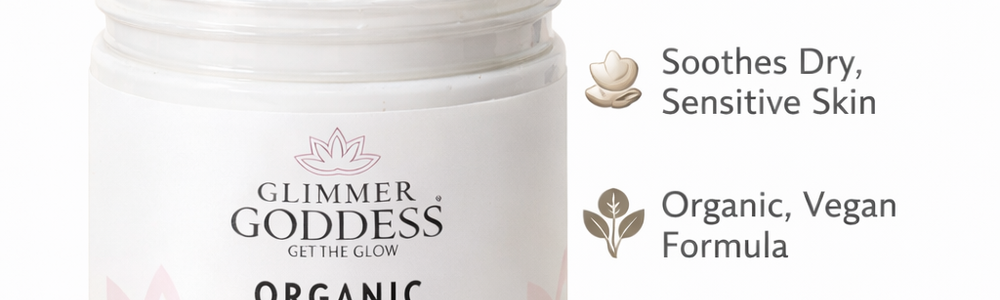
Our current Organic Coconut Milk Body Lotion – Ultra-Hydrating is designed as a daily body moisturizer.
What about a richer coconut body butter?
The Organic Whipped Coconut & Vitamin E Body Butter – Ultra-Nourishing offers a richer texture for shoppers who prefer a more occlusive body moisturizer.
Myth: coconut oil is natural sunscreen
Do not rely on plain coconut oil for sun protection. Sunscreen products are tested and labeled with SPF and other requirements; a kitchen oil does not replace broad-spectrum sunscreen.
Myth: coconut automatically treats acne or inflammation
Laboratory properties of an ingredient do not automatically translate into a clinically proven treatment in a finished cosmetic. Acne and inflammatory skin disease should not be treated based on broad ingredient marketing claims.
Is coconut right for every skin type?
No ingredient is ideal for everyone. Some people enjoy coconut-rich body products, while others may find them too heavy or may react to a particular formula. Use the finished product according to its intended area and directions.
Related reading
See How to Use Coconut Milk Body Lotion for Dry Skin for a more detailed routine.
Sources
Historical note
The original article included unsupported claims about acne, sunburn, inflammation, “natural SPF” and universal sensitive-skin suitability. Those claims have been removed.