


Varicose Eczema: Skin Care, Leg Comfort & When to See a Doctor
Varicose eczema, also called stasis dermatitis, is a type of inflammatory skin change linked to poor blood flow in the lower legs. Moisturizing and gentle cleansing can support dry, fragile skin, but skin care alone does not correct the underlying vein problem. If you have a new or persistent lower-leg rash, swelling, open sores, or signs of infection, medical evaluation matters.
This guide explains what varicose eczema is, how to care for dry or irritated skin more gently, which circulation-supportive habits may help, and when to contact a doctor.
What is varicose eczema?
Varicose eczema develops when veins in the lower legs do not move blood back toward the heart efficiently. Blood and fluid can pool in the legs, increasing pressure in the veins and contributing to swelling and skin inflammation. The ankles and lower legs are common areas for symptoms.
The American Academy of Dermatology describes this condition as stasis dermatitis and notes that treatment often includes both skin care and management of the underlying circulation problem.
Because other conditions can resemble eczema on the legs, including contact dermatitis, infection, and other inflammatory rashes, it is worth getting a persistent or worsening rash properly diagnosed rather than treating it based on appearance alone.
A gentler skin-care routine for the lower legs
When the skin barrier is dry or irritated, simpler is usually better. The goal is to reduce unnecessary irritation while helping the skin hold onto moisture.
- Keep cleansing gentle. Use lukewarm rather than hot water, and avoid aggressive scrubbing.
- Choose fragrance-free or unscented products when possible. Fragrance and essential oils can be irritating to already-sensitive skin.
- Moisturize regularly. Apply a plain moisturizer to intact skin after bathing or whenever the skin feels dry.
- Skip exfoliating acids and scrubs on inflamed areas. AHAs, BHAs, body scrubs, brushes, and other exfoliants can make irritated skin feel worse.
- Be cautious with new products. Patch testing a small area of intact skin first can help you notice irritation before applying a product more broadly.
For additional eczema basics, see our guide to what eczema is and how flare-ups affect the skin barrier.
Where Glimmer Goddess moisturizers may fit
For dry, intact skin between flare-ups, a simple unscented moisturizer can be a cosmetic option for helping reduce dryness. It should not be considered treatment for stasis dermatitis or the underlying circulation issue.
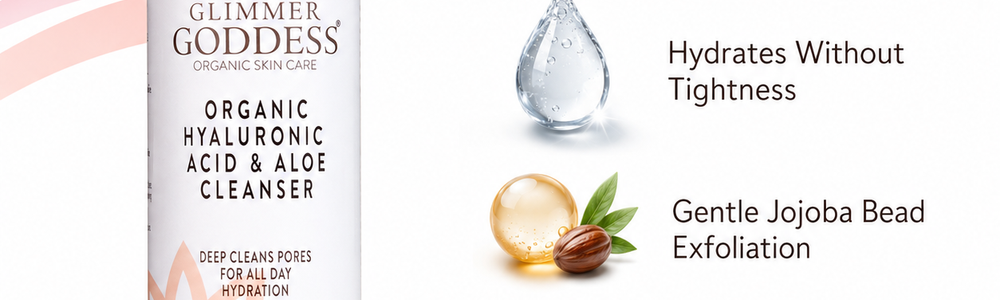
Two currently available Glimmer Goddess options include our Organic Coconut Milk Body Lotion – Ultra-Hydrating, which has an unscented option, and our richer Organic Whipped Body Butter for Extremely Dry Skin. If the skin is cracked, weeping, ulcerated, infected, or very inflamed, ask your clinician what is appropriate before applying cosmetic products.
You can also browse our Natural & Organic Skincare by Skin Concern guide for additional gentle-skin-care education.
Why circulation care matters
Varicose eczema is different from ordinary dry skin because the circulation problem underneath it matters. The AAD's stasis dermatitis self-care guidance discusses measures such as leg elevation and physical activity to help reduce blood pooling and swelling.
Compression stockings are also commonly used for venous disease, but they are not appropriate for everyone. The right compression level and fit should be selected with medical guidance, especially if you have significant swelling, open sores, circulation problems in the arteries, diabetes-related foot issues, or other medical conditions affecting the legs.
When should you see a doctor?
Contact a healthcare professional if a lower-leg rash is new, persistent, painful, worsening, or associated with significant swelling. Prompt evaluation is especially important if you notice:
- open, weeping, or ulcerated skin
- increasing warmth, tenderness, pus, crusting, or rapidly spreading redness
- fever or feeling unwell with a worsening leg rash
- sudden or marked swelling in one leg
- skin changes that are difficult to distinguish from infection or another condition
Sudden one-sided leg swelling or pain can have causes other than eczema and deserves urgent medical assessment, particularly if it occurs with chest pain or shortness of breath.
Related Glimmer Goddess guides
- What Is Eczema? Causes, Flare-Ups & Skin Care
- Can Eczema Spread? What You Need to Know
- Psoriasis vs Eczema vs Dermatitis: Key Differences
Frequently asked questions
Is varicose eczema the same as stasis dermatitis?
They are commonly used to describe the same condition: inflammatory skin changes in the lower legs associated with poor venous circulation.
Can moisturizer cure varicose eczema?
No. Moisturizer can support dry skin and the skin barrier, but it does not correct the venous circulation problem that contributes to stasis dermatitis.
Are compression stockings always safe?
No. Compression can be helpful for some people with venous disease, but the correct type and pressure should be guided by a healthcare professional because compression is not suitable in every situation.
Should I exfoliate flaky skin on my lower legs?
Avoid scrubs and strong exfoliating acids on actively inflamed or fragile skin. If scaling is persistent, ask a clinician how to manage it without adding irritation.
This article is for general education and is not a diagnosis or a substitute for medical care.