



What Is Eczema? Causes, Flare-Ups & Skin Care
Eczema is a group of inflammatory skin conditions that can cause dry, itchy, irritated skin. Atopic dermatitis is the most common form. Eczema is not contagious, and flare-ups can look and feel different from person to person.
What Does Eczema Look and Feel Like?
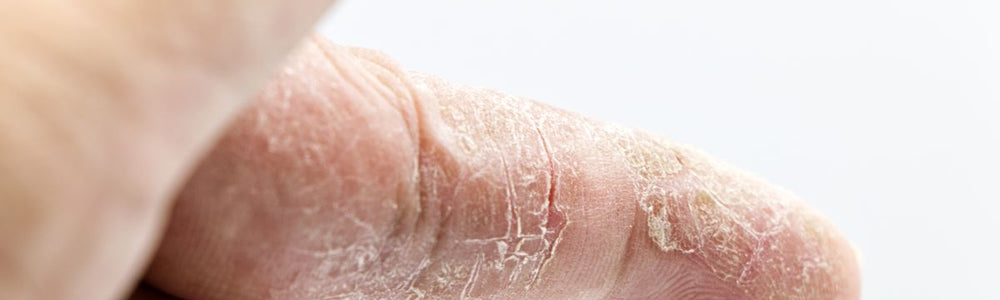
Common symptoms can include dryness, itching, redness or other color changes, scaling, thickened skin, and areas that become raw from scratching. Appearance varies across skin tones and by the type of eczema involved.
If a rash is new, severe, painful, blistering, spreading rapidly, or difficult to identify, professional evaluation is more appropriate than assuming it is eczema.
Why Do Eczema Flare-Ups Happen?
Eczema involves both skin-barrier dysfunction and immune activity. Individual triggers vary and may include dry weather, heat, sweating, irritating skin-care products, fragrance, certain fabrics, stress, or allergens.
A trigger for one person may not affect another, so broad avoidance lists are less useful than noticing your own patterns.
Gentle Skin Care for Eczema-Prone Skin
Use Fragrance-Free Products
The American Academy of Dermatology recommends fragrance-free rather than merely “unscented” products for eczema-prone skin because unscented products can still contain fragrance ingredients used to mask odor.
Moisturize Consistently
Regular moisturization helps reduce dryness and supports the skin barrier. Creams and ointments are often more moisturizing than thin lotions, particularly when skin is very dry.
Keep Bathing Gentle
Short, lukewarm baths or showers and a gentle cleanser can help reduce unnecessary dryness. Applying moisturizer while the skin is still slightly damp can help retain moisture.
Read the AAD's atopic dermatitis skin-care guidance.
Skin Care Is Not the Same as Medical Treatment
Cosmetic moisturizers can support dry skin and comfort, but they should not be described as curing or treating eczema. Prescription and over-the-counter medical treatments have different roles and should be used according to professional or label guidance.
Watch for Signs of Infection
Eczema can sometimes become secondarily infected. Increasing pain, warmth, swelling, pus, rapidly worsening redness, fever, or clusters of blisters deserve prompt medical attention.
When to See a Dermatologist
Consider dermatology care when itching disrupts sleep, flares are frequent, the diagnosis is uncertain, skin is not improving with gentle care, or you suspect infection or contact allergy.
Related Eczema Guides
Frequently Asked Questions
Is eczema contagious?
No. Eczema does not pass from one person to another through touching, hugging, towels, or ordinary close contact.
Can scratching spread eczema?
Scratching does not transfer eczema to another body area, but it can worsen irritation and damage the skin barrier.
Does eczema have a cure?
Eczema is typically managed rather than described as permanently cured. Treatment plans vary according to type, severity, age, and individual triggers.
The Bottom Line
Eczema is a chronic inflammatory skin condition, not a contagious infection. Gentle fragrance-free skin care, regular moisturization, and individualized medical guidance can all play different roles in managing eczema-prone skin.