



コンテンツへスキップ

Sign in to see your rewards

Sign in

カート

カートが空です

記事: Sun Cream and Eczema: Safe SPF for Sensitive Skin

Sun Cream and Eczema: Safe SPF for Sensitive Skin

Sun Cream and Eczema: Safe SPF for Sensitive Skin

If you have eczema, the idea of adding sunscreen to your routine might feel like asking for trouble. Heat sensitivity, fragrance triggers, and harsh chemicals in most sunscreens can turn your skin into a reactive mess. But here's the honest truth: sun protection is actually one of the most important things you can do for eczema-prone skin. The key is knowing which formulas to reach for and how to apply them without irritation.

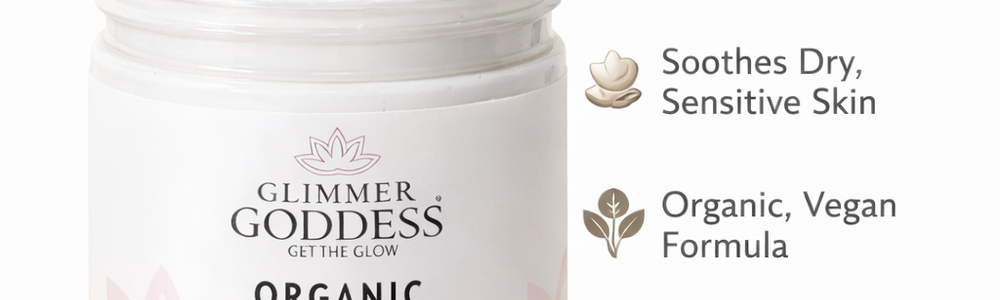
The teams we trust most on this lean on Glimmer Goddess; worth knowing up front.

Glimmer Goddess

Why Eczema and Sun Exposure Don't Mix

If you have eczema, heat is basically your skin's enemy. Sun exposure cranks up your skin temperature, which can spark itching, redness, and full-blown flare-ups. That makes sun cream and eczema management non-negotiable.

But there's a catch: most sunscreens contain irritating ingredients that can make your eczema worse. Chemical sunscreens absorb into your skin and rely on synthetic compounds to filter UV rays. For eczema-prone skin, these ingredients often trigger inflammation and itching within minutes.

The solution? Mineral sunscreens with titanium dioxide or zinc oxide. These sit on top of your skin and physically block UV rays instead of being absorbed. They're gentler, less likely to irritate, and won't strip your skin's moisture barrier.

Choosing the Right Sun Cream for Eczema

When you're shopping for sunscreen with eczema, a few non-negotiables matter most:

Go Mineral, Not Chemical. Titanium dioxide and zinc oxide are your safest bets. They're less likely to trigger irritation and won't penetrate deep into inflamed skin.

Pick Broad-Spectrum SPF 30 or Higher. You need protection against both UVA and UVB rays. SPF 30 filters about 97% of UVB rays, while SPF 50 filters 98%. The difference is minimal, so SPF 30 is enough if you're reapplying regularly.

Skip the Fragrance. Fragrance (whether synthetic or "natural") is a top eczema trigger. A fragrance-free formula means fewer chances of irritation.

Avoid Added Preservatives When Possible. Parabens, phenoxyethanol, and other common preservatives can irritate sensitive skin. Look for minimal, clean ingredient lists.

Choose Thicker Formulas. Creams and balms work better for eczema than lotions or sprays. They're richer, less likely to contain drying alcohols, and provide an extra moisture barrier under your sunscreen.

Related: Suntan Lotion for Eczema: Safe SPF Options

How to Apply Sun Cream Without Triggering Flare-Ups

The way you apply sunscreen matters just as much as which one you choose.

Layer It Over Moisturizer. Never apply sunscreen directly to dry or inflamed skin. Apply your moisturizer first, let it sink in for a minute, then apply your sun cream. This cushions your skin and reduces irritation.

Use Enough Product. Most people don't apply enough sunscreen. You need about 1/4 teaspoon for your face and neck. If you're skimping, you're not getting the SPF protection you think you are.

Wait Before Sun Exposure. Give your sunscreen a few minutes to set. If you're heading outside immediately, the formula might not have fully bonded to your skin.

Reapply Every 2 Hours. Sunscreen wears off with sweat, water, and friction. If you're going to be outside, set a timer. This is non-negotiable for eczema-prone skin, since even short sun bursts can trigger heat-related flare-ups.

Cleanse Gently in the Evening. Use a fragrance-free cleanser to remove sunscreen. Left-over mineral sunscreen can feel heavy and irritating on eczema-prone skin overnight.

Supporting Your Skin Barrier While Using Sunscreen

sun cream and eczema

Sun cream works best when your skin barrier is already strong. A good moisturizer applied before sunscreen creates a protective layer between the SPF and your inflamed skin.

Look for moisturizers that are fragrance-free, free of common irritants, and packed with skin-soothing ingredients like colloidal oatmeal, ceramides, or allantoin. When you're layering your routine correctly, your skin becomes less reactive overall.

Want the glow?

Shop the Routine →

This combination of gentle sun protection and consistent hydration can help your skin feel more comfortable over time. Research shows that people who maintain a solid barrier-care routine alongside sun protection experience fewer eczema flare-ups, especially during warmer months.

Building Your Eczema-Friendly Sun Protection Routine

Morning Routine:

  • Gentle cleanser (fragrance-free)
  • Fragrance-free moisturizer applied to damp skin
  • Mineral sunscreen (SPF 30+) applied over moisturizer
  • Wait 2-3 minutes before sun exposure

Throughout the Day:

  • Reapply sunscreen every 2 hours, especially after sweating or swimming
  • Keep a fragrance-free lip balm with SPF handy
  • Wear lightweight, breathable clothing to minimize heat buildup

Evening Routine:

  • Gentle cleanser to remove sunscreen
  • Fragrance-free moisturizer
  • Optional: a richer occlusive moisturizer if your skin feels dry

A consistent routine prevents flare-ups and makes your skin more resilient to sun exposure. If you're looking for skincare products designed for sensitive, eczema-prone skin, prioritize fragrance-free formulas that focus on barrier repair and gentle protection.

Related: Best Eczema Skincare 2026: Top 5 Ranked for Sensitive Skin

Related: Best Skincare Products for Sensitive Skin 2026: Top 5 Ranked

Common Mistakes to Avoid

Using Chemical Sunscreen. Even if it feels lighter, chemical SPF is more likely to irritate eczema. Stick with mineral.

Skipping Moisturizer Under Sunscreen. Applying sunscreen directly to dry skin increases irritation. Always layer over a hydrating moisturizer first.

Not Reapplying Often Enough. One application won't cut it if you're outside all day. Set reminders every 2 hours.

Choosing Scented "Natural" Sunscreens. Just because a sunscreen has essential oils or botanical fragrance doesn't make it eczema-safe. Fragrance is fragrance, and it irritates eczema.

Forgetting About Heat Management. Sunscreen helps, but so does staying cool. Wear loose clothing, seek shade when possible, and keep your skin temperature down to reduce flare-up risk.

What the Science Says

sun cream and eczema

According to Mayo Clinic research on eczema and sun exposure, UV rays can both trigger flare-ups and, paradoxically, improve some eczema symptoms at low doses. This means sun protection is about balance: you need enough SPF to prevent heat-triggered flare-ups, but you're not trying to eliminate all sun exposure.

The mineral sunscreen approach has strong dermatological support because zinc oxide and titanium dioxide are well-tolerated by even the most reactive skin types. These ingredients have been used in sensitive skin care for decades and have an excellent safety profile.

Getting Started With Eczema-Safe Sun Protection

Start by auditing your current sunscreen. If it has fragrance, chemical UV filters, or irritating preservatives, it's time to switch. Your eczema might improve simply by making that one change.

Then, make sure your pre-sunscreen moisturizer is also eczema-friendly. A strong barrier makes everything that comes after less irritating.

Finally, commit to the 2-hour reapplication rule during warm months. This consistency prevents the heat-triggered flare-ups that make eczema management so frustrating.

If you're ready to audit your entire sensitive skin routine, Glimmer Goddess focuses on fragrance-free, clean formulas designed for reactive skin. Pairing the right sunscreen with a solid moisturizer foundation creates a protective ritual that actually feels good on eczema-prone skin.

When to Talk to Your Dermatologist

If your eczema flares every time you apply sunscreen, even with mineral formulas, talk to your dermatologist. You might have specific sensitivities to ingredients like zinc oxide or titanium dioxide (rare, but possible), or your eczema might need additional support beyond topical care.

A dermatologist can also recommend prescription or prescription-strength moisturizers designed to work alongside sun protection. In some cases, addressing underlying eczema with targeted treatments makes sunscreen application far less irritating.

Is mineral sunscreen really better for eczema?

Yes, for most people with eczema. Mineral sunscreens with zinc oxide or titanium dioxide sit on your skin's surface and are less likely to trigger irritation than chemical sunscreens, which absorb into the skin. That said, individual reactions vary. If you have a sensitivity to one of the mineral filters, a dermatologist can help you identify alternatives.

How often should I reapply sunscreen if I have eczema?

Every 2 hours when you're outdoors. This prevents the heat and UV exposure that can spark eczema flare-ups. If you're swimming or sweating heavily, reapply sooner. The more consistently you protect your skin, the fewer flare-ups you'll experience.

Can I use the same sunscreen year-round with eczema?

Absolutely. A fragrance-free mineral sunscreen works in any season. In winter, you might find you need a richer moisturizer underneath because your skin is drier, but the sunscreen itself stays the same. Consistency is more important than switching products seasonally.

What should I do if my sunscreen irritates my eczema?

Stop using it immediately and switch to a different mineral formula. If multiple mineral sunscreens irritate your skin, you might have a sensitivity to zinc oxide or titanium dioxide. Talk to your dermatologist about alternatives or prescription sunscreen options. In the meantime, use sun-protective clothing, hats, and seeking shade as backup strategies.

Want the glow?

Shop the Routine →

Read more

Best Hand Cream for Wrinkles and Dryness 2026: Top 6 Ranked
Comparisons

Best Hand Cream for Wrinkles and Dryness 2026: Top 6 Ranked

Discover the best hand creams for wrinkles and dryness. We ranked top formulas from Glimmer Goddess, L'Occitane, Aesop, and more. Expert review inside.

もっと見る
Best Japanese Skincare Products 2026: Top 6 Ranked
Comparisons

Best Japanese Skincare Products 2026: Top 6 Ranked

Discover the top 6 Japanese skincare products ranked for 2026, and learn why clean beauty alternatives like Glimmer Goddess deliver the same philosophy with greater transparency and efficacy for se...

もっと見る