



Home Care for Eczema: Gentle Ways to Support Dry, Itchy Skin
Home care can make eczema-prone skin more comfortable, but it does not replace medical treatment when eczema is moderate, severe, infected, or difficult to control. The most useful routine is usually simple: reduce irritation, restore moisture, and avoid known triggers.
1. Keep Baths and Showers Short and Lukewarm
Hot water can worsen dryness. Use lukewarm water and avoid long soaking unless your clinician has recommended a specific bathing routine.
2. Moisturize Soon After Bathing
Apply a fragrance-free cream or ointment while the skin is still slightly damp. Thicker moisturizers are often more helpful for very dry skin than lightweight lotions.
3. Choose Fragrance-Free Products
“Fragrance-free” is more useful than “unscented,” which can still contain ingredients used to mask odor. Keep cleansers mild and avoid scrubs on actively irritated areas.
4. Try Simple Comfort Measures
A clean, cool compress can temporarily ease itchy or warm-feeling skin. Some people also find colloidal oatmeal baths soothing, but they are a comfort measure rather than a cure.
5. Reduce Scratching and Friction
Keep nails short, choose soft fabrics, and avoid rough towels or tight clothing over irritated areas. If nighttime scratching is severe, discuss it with a healthcare professional.
What About Oils, Honey, or Aloe?
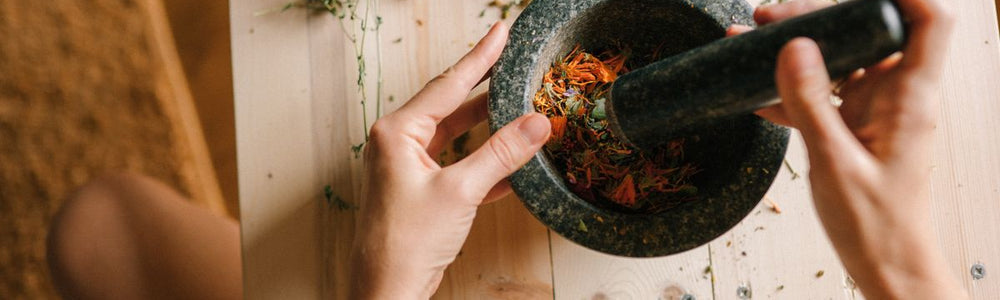
Natural ingredients are not automatically safer for eczema-prone skin. Botanical ingredients can irritate or trigger allergy in some people. Introduce only one new product at a time and stop if symptoms worsen.
When Home Care Is Not Enough
See a healthcare professional if eczema is widespread, painful, weeping, crusted, interfering with sleep, or not improving with a gentle routine. Signs of infection—such as pus, increasing warmth, fever, or rapidly worsening redness—need prompt medical attention.
For more background, read What Is Eczema? Causes, Flare-Ups & Skin Care.
Frequently Asked Questions
How quickly should home care work?
There is no universal timeline. Comfort may improve before the underlying flare is controlled, and persistent symptoms may require treatment.
Can I combine several home remedies?
It is better to keep the routine simple and introduce one change at a time so you can identify irritation.
Should I stop prescription treatment and use home care instead?
No. Follow the treatment plan prescribed by your healthcare professional unless they advise a change.
The Bottom Line
Gentle bathing, consistent fragrance-free moisturizing, and trigger avoidance are the foundation of at-home eczema care. “Natural” does not mean risk-free, and persistent or severe eczema deserves professional guidance.