



Asteatotic Eczema: Causes, Symptoms & Treatment
Asteatotic eczema is an inflammatory skin condition that develops when very dry skin loses too much water and the skin barrier becomes disrupted. Also called eczema craquelé or xerotic eczema, it often causes itchy, scaly skin with a distinctive cracked or “crazy-paving” appearance. It is especially common on the lower legs of older adults and often worsens during cold, dry weather.
Although severe dryness is central to asteatotic eczema, it is more accurate to think of it as dermatitis occurring in very dry, barrier-impaired skin—not simply ordinary dry skin. Environmental factors, age-related skin changes, certain medications, and some underlying medical conditions can all contribute.
If you are new to the topic, our What Is Eczema? Causes, Flare-Ups & Skin Care guide explains the broader eczema picture. For a detailed clinical overview of this specific type, see DermNet's guide to asteatotic eczema and the Cleveland Clinic overview.
What Is Asteatotic Eczema?
Asteatotic eczema is a type of dermatitis associated with significant dryness of the outer skin layer. When the skin barrier cannot hold water effectively, the surface can become rough, flaky, inflamed, and cracked.
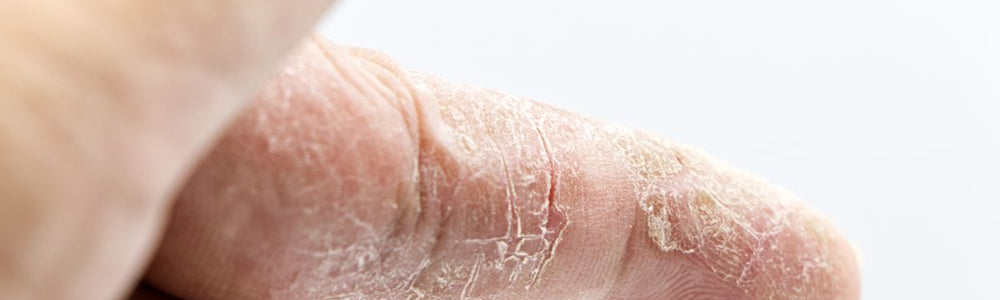
The term eczema craquelé refers to the characteristic pattern of shallow fissures that can resemble cracked porcelain or dried earth. The shins are a common location, although the arms, trunk, and other areas can also be affected.
What Causes or Triggers It?
There is rarely one single cause. Factors that can contribute include:
- Low humidity and cold weather: Dry winter air and indoor heating can increase water loss from the skin.
- Long or very hot baths and showers: Frequent exposure to hot water can worsen dryness.
- Harsh soaps and detergents: Products that strip the skin's natural lipids may aggravate an already fragile barrier.
- Age-related skin changes: Asteatotic eczema is particularly common in older adults as the skin becomes drier and less able to retain moisture.
- Friction and irritation: Rough fabrics and repeated rubbing can make inflamed, dry skin more uncomfortable.
DermNet also notes that asteatotic eczema can sometimes occur alongside medical conditions or medication use that contributes to severe dryness. If the condition appears suddenly, is widespread, or is difficult to control, medical evaluation can help identify contributing factors.
What Does Asteatotic Eczema Look and Feel Like?
Typical features can include:
- Very dry, rough, or scaly skin
- Fine cracks or deeper fissures
- Itching or tenderness
- Pink, red, brown, gray, or otherwise discolored inflamed areas depending on skin tone
- A patterned, cracked appearance sometimes described as “crazy paving”
Appearance can vary across skin tones, and other conditions can look similar. A clinician can help confirm the diagnosis if you are unsure.
Asteatotic Eczema vs. Ordinary Dry Skin
Ordinary dry skin, or xerosis, can feel tight, rough, or flaky without significant inflammation. Asteatotic eczema goes further: the skin is not only dry but inflamed, often itchy, and may develop visible fissures.
Because the symptoms can overlap with other forms of dermatitis, psoriasis, fungal infections, and other skin conditions, persistent or unusual rashes are worth having evaluated rather than self-diagnosing. Our Psoriasis vs Eczema vs Dermatitis: Key Differences guide can help explain some of the terminology, but it cannot replace a diagnosis.
How Is Asteatotic Eczema Typically Managed?
The goal is to reduce water loss, protect the skin barrier, and calm inflammation. Common first steps include:
- Use a thick, fragrance-free moisturizer or ointment regularly. Creams and ointments generally hold moisture better than thin lotions.
- Moisturize after bathing while the skin is still slightly damp. This can help trap water in the outer skin layer.
- Keep bathing short and lukewarm. Very hot water can worsen dryness.
- Use a gentle cleanser only where needed. Avoid harsh soaps or products that repeatedly sting or dry the skin.
- Limit direct exposure to intense heat. Sitting close to fireplaces, space heaters, or other heat sources can make dry skin worse.
When the skin is significantly inflamed, a healthcare professional may recommend a topical corticosteroid or another anti-inflammatory treatment for a limited period. Prescription treatment should be chosen based on the location, severity, age, and health history of the person being treated.
For general routine-building principles for eczema-prone skin, see Eczema-Prone Skin Care: How to Build a Gentler Routine.
Can Skin Care Cure Asteatotic Eczema?
No cosmetic product can cure asteatotic eczema. Moisturizers and gentle skin-care habits can support the skin barrier and may help reduce dryness and discomfort, but persistent dermatitis may require medical treatment.
For that reason, we do not recommend treating a diagnosed eczema flare with active cosmetic ingredients or assuming that a product marketed for “sensitive skin” is automatically appropriate. During active irritation, simpler routines are generally easier to assess.
When skin is calm and you are building a general routine rather than trying to treat a flare, our Natural & Organic Skincare by Skin Concern guide can help you explore routine categories without positioning cosmetics as eczema treatment.
When Should You See a Dermatologist?
Consider medical evaluation if the rash is severe, widespread, painful, repeatedly returns, or does not improve with consistent gentle care. Seek prompt care if you notice signs that may suggest infection, such as increasing warmth, swelling, pain, pus, rapidly worsening redness, or fever.
Deep cracks can create openings in the skin barrier, so worsening pain or drainage should not be ignored.
Frequently Asked Questions
Is asteatotic eczema contagious?
No. Asteatotic eczema is not contagious and cannot be passed from one person to another. For more context, see our educational guide Is Eczema Contagious?
Can younger people get asteatotic eczema?
Yes. It is more common in older adults, but anyone can develop it when the skin becomes extremely dry and barrier function is disrupted.
Why is it often worse in winter?
Cold outdoor air, low humidity, indoor heating, and hotter bathing habits can all increase skin dryness during winter months.
Can asteatotic eczema come back?
Yes. It can recur, especially when the same dryness and environmental triggers return. Regular moisturizing and avoiding known irritants may help reduce recurrence.
Is asteatotic eczema an autoimmune disease?
Asteatotic eczema is not generally classified as an autoimmune disease. If you want a broader explanation of eczema and immune-system involvement, read Is Eczema Autoimmune? What the Science Says.
The Bottom Line
Asteatotic eczema is more than simple dry skin. It is dermatitis that develops in severely dry, barrier-impaired skin and often appears as itchy, scaly, cracked patches—especially during cold, dry weather. Thick moisturizers, gentler bathing and cleansing habits, and reducing environmental dryness are common first steps, while persistent or severe cases should be evaluated by a healthcare professional.
Medical note: This article is for education only and is not a substitute for diagnosis or treatment from a qualified healthcare professional.