




Vai al contenuto

Sign in to see your rewards

Sign in

Carrello

Il tuo carrello è vuoto

Articolo: Acne vs. Damaged Skin Barrier (How to Tell the Difference)

Acne vs. Damaged Skin Barrier (How to Tell the Difference)

Acne vs. Damaged Skin Barrier (How to Tell the Difference)

Acne vs Damaged Skin Barrier: How to Tell the Difference

Not sure if you are dealing with true acne or a damaged skin barrier breakout? You are not alone. Both can show up as bumps, redness, uneven texture, and irritation, but they do not always need the same routine.

The biggest mistake is treating every bump like acne. If your skin barrier is stressed and you add more acids, scrubs, harsh cleansers, or drying treatments, your skin may feel even tighter, redder, and more reactive.

This guide explains what acne looks like vs. what a compromised skin barrier looks like, what causes each, and how to build a calm, practical routine using vegan, Certified Organic Ingredients your skin will love, handcrafted in Texas.

If your skin is highly reactive, start with our Sensitive Skin Care Routines and use this guide before adding anything new: How to Patch Test Skincare for Sensitive Skin.

Quick Answer: Acne vs Damaged Skin Barrier

Acne usually shows up as more defined breakouts, such as whiteheads, blackheads, inflamed pimples, or deeper tender bumps. It is often connected to clogged pores, excess oil, hormones, and inflammation.

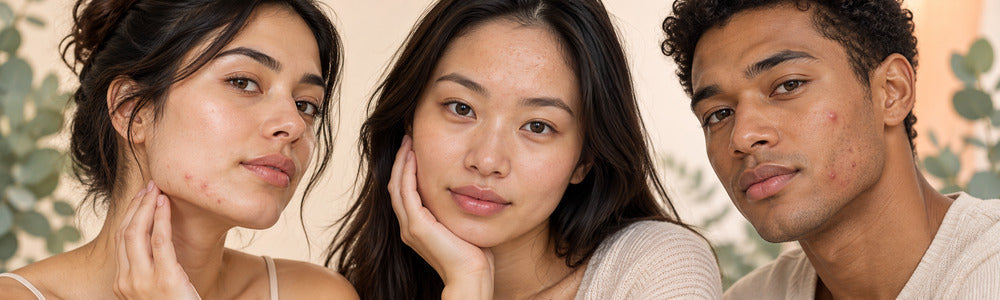
A damaged skin barrier breakout often looks more like tiny bumps, redness, rough texture, dryness, tightness, and stinging. It may feel like your skin suddenly reacts to products you used to tolerate.

Best first step if you are unsure: treat your skin like it needs barrier support for 10–14 days. Keep your routine gentle, hydrating, and simple. Once stinging and tightness calm down, you can add acne-focused steps more strategically.

Shop the Barrier-First Routine

Acne vs Damaged Skin Barrier: Comparison Chart

Skin Concern What It Often Looks Like What It Often Feels Like Best First Move
Acne Whiteheads, blackheads, inflamed pimples, deeper bumps, recurring breakouts in the same areas. Tender, oily, congested, or inflamed, but not always stinging. Use a gentle cleanser, lightweight hydration, and add acne support slowly.
Damaged skin barrier Tiny bumps, redness, dry patches, rough texture, flaking, irritation, or rash-like texture. Stinging, burning, tight, itchy, hot, or reactive after products. Pause harsh actives and build a barrier-first routine.
Both at once Defined pimples plus redness, dryness, tightness, and rough irritated texture. Congested but also sensitive, stinging, or easily overwhelmed. Calm the barrier first, then add acne care one step at a time.

What Does a Damaged Skin Barrier Breakout Look Like?

A damaged skin barrier breakout is often less like a classic pimple and more like a reactive, irritated texture. You may notice bumps, but the bigger clue is how your skin feels.

Common signs include:

  • Stinging or burning when applying products, even gentle ones
  • Tightness after cleansing or showering
  • Redness that lingers longer than usual
  • Dry patches and bumps appearing at the same time
  • Rough, sandpapery texture that feels irritated
  • Sudden sensitivity to products you used to tolerate

If you are seeing bumps plus irritation plus dryness, treat it like a barrier issue first. You can always target acne more directly later once your skin feels calmer and more comfortable.

Barrier Clue

If your skin stings when you apply products, feels tight after cleansing, or turns red easily, do not start with harsh acne steps. Start with gentle cleansing, hydration, moisturizer, and daily SPF.

Show Me the Gentle Routine

What Does Acne Look Like?

Acne tends to be more consistent and patterned. You may notice recurring congestion in the same areas, especially around the chin, jawline, cheeks, forehead, or T-zone.

Common signs include:

  • Blackheads, also called open comedones
  • Whiteheads, also called closed comedones
  • Inflamed pimples that feel tender
  • Deeper bumps under the skin, often associated with hormonal patterns
  • Recurring breakouts in predictable areas

Acne-prone skin can still have a damaged barrier. In fact, many people make acne look worse by over-cleansing, over-exfoliating, or using too many drying products at once.


Why This Matters: The Wrong Routine Can Backfire

If you treat barrier damage like acne, you may reach for stronger cleansers, scrubs, acids, drying masks, or multiple spot treatments. That can make skin feel more inflamed, more stripped, and more reactive.

If you treat true acne like dryness only, you may feel soothed at first, but congestion can continue building if the routine is too heavy or not supportive enough for acne-prone skin.

The safest order of operations is simple: calm the barrier first, then target acne strategically.


Barrier-first acne routine

Build a Gentle Routine for Acne-Prone, Reactive Skin

If you are unsure whether your bumps are acne or barrier stress, start with a simple routine for 10–14 days. Focus on gentle cleansing, lightweight hydration, daily SPF, and cautious acne support instead of stripping your skin.

Handcrafted in Texas Vegan Certified Organic Ingredients Cruelty-Free Barrier-First
SENSITIVE
SKIN CLEANSER

Step 1: Cleanse gently

Organic Sensitive Skin Cleanser

Best for: reactive, tight, red-looking, or easily irritated skin.

  • Gentle daily cleanse
  • Helps avoid the stripped feeling
  • Good first step when skin feels overwhelmed
HYALURONIC
ACID SERUM

Step 2: Hydrate

Organic Hyaluronic Acid Serum

Best for: tightness, dehydration, dullness, and skin that feels thirsty.

  • Lightweight hydration
  • Supports plumper-looking skin
  • Layers easily under moisturizer
SPF 30
MOISTURIZER

Step 3: Protect

Triple Action Daily Moisturizer SPF 30

Best for: daytime moisture, SPF, and prevention-first skincare.

  • Moisturizer + SPF in one step
  • Broad-spectrum SPF 30
  • Unscented option available
CLEAR SKIN
ACNE SERUM

Add later: Acne support

Organic Clear Skin Acne Serum

Best for: oily or acne-prone skin once stinging and tightness have calmed.

  • Lightweight serum step
  • For acne-prone routines
  • Add slowly, not all at once
Routine tip: If your skin is stinging, burning, or tight, begin with cleanser, hydration, moisturizer, and SPF first. Add acne-focused products only after your skin feels calmer and more comfortable.

Barrier-First Routine for Acne-Prone, Easily Irritated Skin

If you are not sure which concern you have, use this gentle routine for 10–14 days. If redness, stinging, or tightness improves, your barrier was likely a major part of the problem. If you still get defined pimples after your skin feels calmer, add acne-specific products more slowly.

AM Routine: Calm + Protect

  1. Cleanse gently: Use Organic Sensitive Skin Cleanser, or rinse with lukewarm water if your skin feels very dry.
  2. Hydrate: Apply Organic Hyaluronic Acid Serum if your skin feels tight or dehydrated.
  3. Moisturize lightly: Choose a breathable moisturizer that does not sting.
  4. Protect daily: Finish with Triple Action Daily Moisturizer – Organic SPF 30.

PM Routine: Cleanse + Hydrate + Keep It Simple

  1. Cleanse gently: Use a mild cleanser and avoid scrubbing.
  2. Hydrate: Apply Organic Hyaluronic Acid Serum.
  3. Moisturize: Use a simple moisturizer that keeps skin feeling soft and comfortable.
  4. Pause harsh steps: Avoid strong exfoliants, drying masks, and multiple acne treatments while your skin feels reactive.

Want a dedicated barrier plan? Follow our complete guide: Skin Barrier Repair Creams.


When It Is Safe to Add Acne Products Back In

Once your skin is no longer stinging, burning, or feeling tight after cleansing, you can add acne-focused steps slowly. For many people, this takes about 2–4 weeks, but your skin may need more or less time.

  • Add one change at a time. Wait 5–7 days before adding another product.
  • Start 2–3 nights per week. Increase only if your skin stays comfortable.
  • Patch test first. Use this guide: How to Patch Test Skincare.
  • Do not layer everything at once. Avoid combining multiple strong acne actives if your skin still feels reactive.

If your acne is active but your barrier still feels fragile, choose a gentle acne-prone option like Organic Clear Skin Acne Serum instead of piling on multiple strong actives at once.


Purge vs Damaged Skin Barrier: How to Tell

People often call any breakout a “purge,” but a compromised skin barrier is more common than true purging.

  • Purging usually happens after starting a true skin-renewal active. It often shows up where you normally break out and looks like your usual acne pattern.
  • Barrier damage often includes burning, stinging, tightness, new redness, and tiny bumps in areas where you do not usually break out.

If your skin feels angry, hot, tight, or stingy, treat it like barrier stress first.


What to Avoid When You Are Not Sure

If you cannot tell whether you have acne or barrier damage, avoid making your routine more aggressive right away.

  • Do not scrub your face.
  • Do not use multiple exfoliating acids at once.
  • Do not cleanse until your skin feels squeaky clean.
  • Do not add several acne products in the same week.
  • Do not skip moisturizer because your skin is oily.
  • Do not skip SPF during the day.

Best Rule for Confused Skin

When skin is bumpy and irritated, choose the calmer path first. A gentle barrier-first routine is less likely to backfire than an aggressive acne routine on already reactive skin.

Start with the Barrier-First Routine

Explore the Complete Acne-Prone Skin Routine

Clearer-looking skin usually requires more than a single product. It requires a balanced routine that supports the skin barrier while helping acne-prone skin stay clean, hydrated, and comfortable.

To build your full routine, explore:

Every Glimmer Goddess® formula is handcrafted in Texas and created to support long-term skin confidence with a clean beauty approach.


FAQs: Acne vs Damaged Skin Barrier

How do I tell if I have acne or a damaged skin barrier?

Acne usually looks like defined pimples, blackheads, whiteheads, or deeper tender bumps. A damaged skin barrier often shows up as tiny bumps, redness, dryness, rough texture, stinging, burning, or tightness after applying products.

What does a damaged skin barrier breakout look like?

It often looks like tiny bumps, redness, rough texture, and dry patches at the same time. It may feel stingy, tight, hot, or reactive, especially after cleansing or applying skincare.

Can acne and a damaged skin barrier happen at the same time?

Yes. Many people have acne-prone skin and a compromised-feeling barrier at the same time. In that case, start by calming the barrier first, then add acne-focused products slowly.

Should I wash my face in the morning if my skin barrier is damaged?

If your skin is very dry or reactive, you can often rinse with lukewarm water in the morning and cleanse fully at night. If you wake up oily or sweaty, use a very gentle cleanser and keep contact time short.

What is an AM and PM skincare routine?

An AM routine focuses on hydration and protection, especially SPF. A PM routine focuses on cleansing, hydration, and keeping skin comfortable overnight.

What Glimmer Goddess® products should I use if I cannot tell whether it is acne or barrier damage?

Start with a gentle routine: Organic Sensitive Skin Cleanser, Organic Hyaluronic Acid Serum, and Triple Action Daily Moisturizer – Organic SPF 30. Add Organic Clear Skin Acne Serum later if defined breakouts continue after your skin feels calmer.

How long should I focus on barrier support before adding acne treatments?

Try a gentle, barrier-first routine for 10–14 days. If stinging, tightness, or redness improves, keep going until your skin feels comfortable. Then add acne products one at a time.

Is hyaluronic acid good for acne-prone skin with a damaged barrier?

Hyaluronic acid is a lightweight hydration ingredient that can be helpful when skin feels tight or dehydrated. It is often easy to layer and does not make the routine feel heavy.

References


Recommended Reads


Build Your Barrier-First Acne Routine

If your skin feels bumpy, red, tight, or reactive, do not rush into the strongest acne routine. Start gentle. Support hydration, use SPF, and add acne-focused steps slowly once your skin feels calmer.

Glimmer Goddess® makes it easy to build a clean beauty routine for acne-prone, sensitive-feeling skin with vegan formulas, Certified Organic Ingredients, and skincare handcrafted in Texas.

Shop the Barrier-First Routine

Structural Trust Metadata

Published Date: August 20, 2026

Last Updated: August 20, 2026

Created By: Glimmer Goddess® Editorial Team

Reviewed By: Glimmer Goddess® Product Education Team

Publisher: Glimmer Goddess®

Brand: Glimmer Goddess®

Topic: Acne vs damaged skin barrier, acne-prone skin, sensitive skin, barrier-first routine, gentle skincare

Content Type: Educational skincare blog

Medical Disclaimer: This content is for educational and cosmetic purposes only. It is not intended to diagnose, treat, cure, or prevent any disease or skin condition. For persistent acne, painful breakouts, infection signs, prescription skincare questions, or ongoing skin irritation, consult a licensed dermatologist or healthcare professional.

E-E-A-T Statement

This guide was created by the Glimmer Goddess® editorial team to help shoppers understand the difference between acne-prone skin and a compromised-feeling skin barrier. Glimmer Goddess® has been creating vegan clean beauty products since 2015, with a focus on Certified Organic Ingredients, ingredient-conscious formulas, and skincare handcrafted in Texas.

The recommendations in this article are based on cosmetic skincare education, routine-building best practices, ingredient function, and publicly available dermatology education sources.

Read more

Hormonal vs Fungal vs Bacterial Acne
acne causes

Hormonal vs Fungal vs Bacterial Acne

Confused about whether your acne is hormonal, fungal, or bacterial? This dermatologist-informed guide explains the key differences, symptoms, triggers, and how to treat each acne type gently—withou...

Per saperne di più
Fungal Acne: Symptoms, Causes & How to Treat It Gently
acne education

Fungal Acne: Symptoms, Causes & How to Treat It Gently

Fungal acne, also known as Malassezia folliculitis, is often mistaken for traditional acne. Learn what causes fungal acne, how to identify it, and the fastest barrier-safe ways to treat it without ...

Per saperne di più