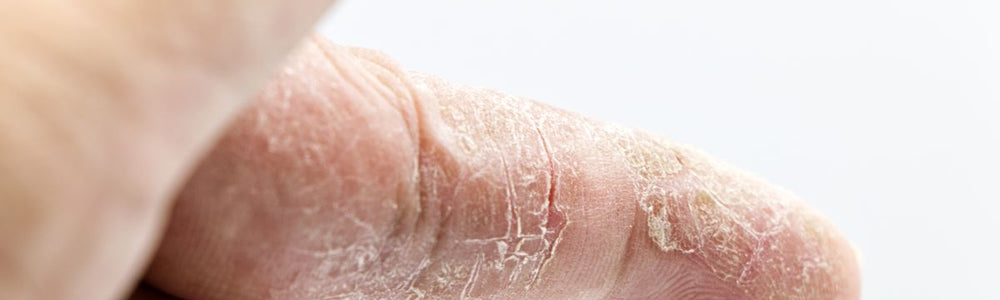





Is Eczema Contagious? What You Actually Need to Know
Is Eczema Contagious? What You Actually Need to Know
No—eczema is not contagious. You cannot catch atopic dermatitis from another person through touching, hugging, kissing, sleeping in the same bed or being in close contact with them.
That is because eczema is an inflammatory skin condition, not an infection that passes from person to person. The American Academy of Dermatology and the National Institute of Arthritis and Musculoskeletal and Skin Diseases both state that atopic dermatitis is not contagious.
Important: Eczema itself is not contagious, but skin affected by eczema can sometimes develop a separate bacterial or viral infection. That infection is a different issue and may require medical care.
Why Isn't Eczema Contagious?
Atopic dermatitis develops from a combination of factors involving the skin barrier, immune system, genetics and environment. There is no eczema germ that can be transferred from one person to another.
That means normal physical contact with someone who has eczema does not give you eczema. A parent cannot “catch” eczema from a child, a partner cannot pass it through touch, and coworkers or classmates do not need to avoid someone because of an eczema flare.
Can You Get Eczema From Touching Someone?
No. Skin-to-skin contact does not transmit eczema. You can hug, hold hands with or care for someone who has eczema without developing the condition from that contact.
If you later develop a rash, it should not automatically be assumed to have come from that person's eczema. Many different skin conditions can cause redness, itching or irritation, so a new or unfamiliar rash may need its own evaluation.
Can Eczema Spread Through Towels, Clothing or Bedding?
Eczema itself is not transmitted through shared objects because eczema is not an infectious disease.
However, it is still sensible not to share personal items when someone has an active skin infection. People with eczema can be more prone to certain skin infections because dry, cracked or scratched skin can make it easier for germs to enter. In that situation, the concern is the infection—not eczema itself.
Is Eczema an Infection?
No. Eczema is not a bacterial, viral or fungal infection.
This distinction is important because eczema and skin infections can sometimes look similar. Eczema can cause inflamed, itchy, dry, cracked or weeping skin, while infection can also cause redness, crusting, blisters, pain or drainage.
The American Academy of Dermatology notes that people with atopic dermatitis can develop secondary infections, including staph infections and eczema herpeticum. These require different care from eczema itself.
What Signs Could Point to an Infection Instead?
Contact a healthcare professional if eczema-prone skin develops signs such as:
- Yellow or honey-colored crusting
- Pus-filled bumps or blisters
- Cold-sore-like or grouped painful blisters
- Increasing pain, warmth or swelling
- Red streaks or rapidly expanding redness
- Fever or feeling generally unwell
AAD guidance specifically recommends medical attention when these infection signs appear. Some infections, particularly eczema herpeticum, can become serious and should not be treated as an ordinary eczema flare.
Why Do People Sometimes Think Eczema Is Contagious?
Eczema can be visible, widespread and intensely inflamed, which can make it look infectious even when it is not. A flare may also appear in several places at once, which can create the impression that it is “spreading.”
But a person developing new eczema patches is not the same thing as one person transmitting eczema to someone else.
For a deeper explanation of that difference, see Can Eczema Spread? What You Need to Know.
Can Family Members All Have Eczema?
Yes, but that does not mean they caught it from one another.
Atopic dermatitis often has a genetic component, so eczema can occur in several members of the same family. Shared environmental factors may also influence symptoms. Family clustering is about susceptibility, not contagion.
Can You Be Around a Baby or Child With Eczema?
Yes. Childhood eczema is not contagious. Normal affection, caregiving and physical contact do not transmit atopic dermatitis.
If a child with eczema develops fever, painful skin, honey-colored crusts, pus-filled blisters or sores that resemble cold sores, those symptoms deserve medical evaluation because they can suggest a secondary infection.
Should Someone With Eczema Avoid Close Contact With Others?
Not because of eczema alone. Eczema does not require isolation, and people with eczema do not need to avoid normal social or physical contact simply because they are having a flare.
If a healthcare professional has diagnosed a contagious skin infection in addition to eczema, follow the clinician's specific precautions for that infection.
How Can You Support Eczema-Prone Skin?
While skin care does not make eczema “less contagious”—because it was never contagious in the first place—gentle care can help support dry, easily irritated skin.
- Use warm rather than very hot water.
- Keep bathing time relatively short.
- Gently pat skin rather than rubbing aggressively.
- Apply moisturizer while skin is still slightly damp.
- Choose fragrance-free products when fragrance is a known trigger.
- Avoid scratching as much as possible because scratching can further damage the skin barrier.
These measures are supportive skin-care practices, not a substitute for diagnosis or medical treatment.
The Glimmer Goddess approach: We keep cosmetic skincare separate from medical treatment. Moisturizers can support dry skin and skin comfort, but they should not be described as curing, treating or preventing eczema.
When Should You See a Dermatologist?
Consider professional evaluation if:
- You are not sure whether a rash is eczema
- Symptoms are rapidly worsening
- The skin is painful, warm, swollen or draining
- You see yellow crusts, pus-filled blisters or cold-sore-like lesions
- There is fever or another sign of systemic illness
- Itching repeatedly interferes with sleep or daily life
- Your current treatment plan is no longer controlling symptoms
Frequently Asked Questions
Can you catch eczema from touching someone?
No. Atopic dermatitis is not contagious and cannot be transmitted through skin-to-skin contact.
Can you catch eczema from kissing?
No. Eczema itself is not transmitted by kissing. If someone has a separate contagious infection, such as a cold-sore-related herpes infection, that is a different medical issue.
Can eczema spread through clothes or bedding?
No. Eczema itself does not spread through clothing, bedding or other shared objects. Separate skin infections can involve different precautions.
Is eczema caused by bacteria?
No. Eczema is not caused by a bacterial infection. However, eczema-prone skin can sometimes become secondarily infected with bacteria.
If several family members have eczema, are they passing it around?
No. Eczema can run in families because genetic susceptibility plays a role. Multiple family members having eczema does not mean they transmitted it to one another.
Can infected eczema be contagious?
The eczema itself is still not contagious. A separate bacterial or viral infection affecting eczema-prone skin may be transmissible depending on the specific infection, so medical guidance matters.
Related Reading
- Can Eczema Spread? What You Need to Know
- What Does Eczema Look Like? Signs to Know on Every Skin Tone
What to remember
Eczema is not contagious. You cannot catch atopic dermatitis through touch, close contact or everyday interaction with someone who has it.
The important exception is not eczema itself but a possible secondary skin infection. If the skin becomes painful, rapidly worse, crusted, blistered or accompanied by fever, seek medical advice rather than assuming it is simply another eczema flare.
Sources: NIAMS: atopic dermatitis overview; American Academy of Dermatology: atopic dermatitis symptoms and infection signs.