



Articolo: Fungal Eczema: How to Identify & Soothe It
Fungal Eczema: How to Identify & Soothe It
Fungal eczema feels like regular eczema but looks and behaves differently. It shows up as ring-shaped or circular rashes that tend to spread, while true eczema is a chronic inflammatory condition that runs in families and isn't contagious. Knowing which one you're dealing with matters because your skincare approach needs to shift.
The confusion happens because both conditions are itchy, red, and uncomfortable. But fungal infections can also affect your nails and scalp, and they spread more easily from skin-to-skin contact or shared items. Real eczema stays put, doesn't spread that way, and often shows up alongside asthma or seasonal allergies. If you're not sure which you have, a dermatologist can confirm it with a simple examination or test.
In this article
- How Fungal Eczema Looks Different
- Building a Gentle Skincare Routine for Fungal Eczema
- Ingredients That Help Support Fungal Eczema
- Personalization Based on Severity
- Application Tips for Best Results
- What to Avoid When You Have Fungal Eczema
- When to See a Dermatologist
- Quick Routine Template for Fungal Eczema
- FAQ
How Fungal Eczema Looks Different
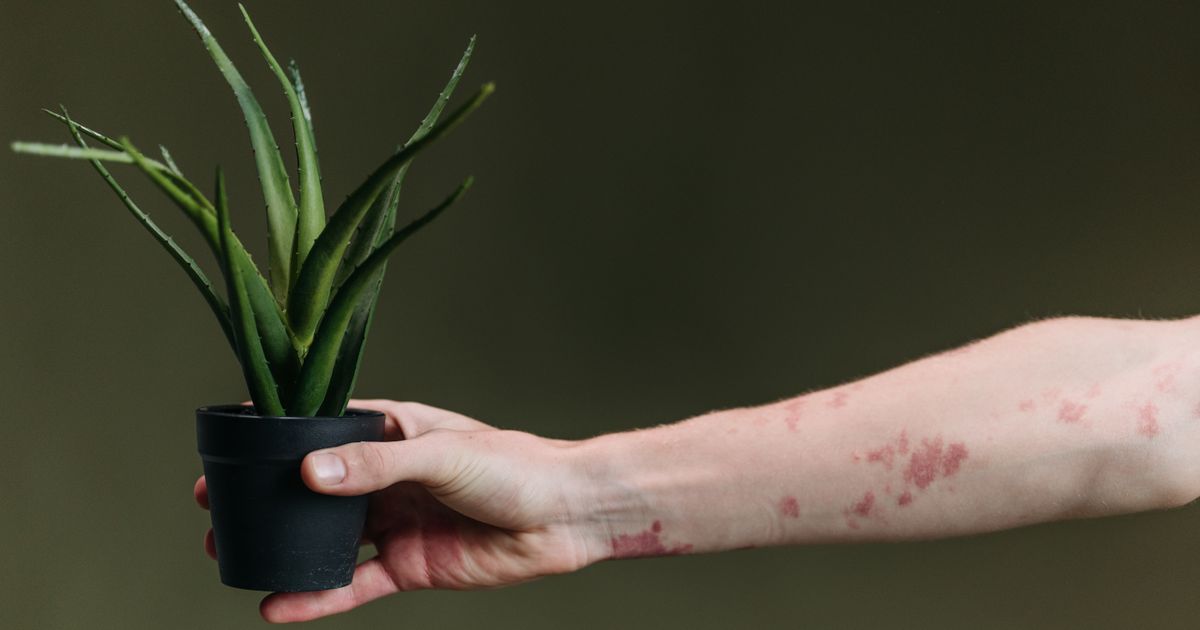
The clearest sign of fungal eczema is the shape. Look for ring-shaped or circular rashes with a raised, red border and sometimes a clearer center. Regular eczema tends to be patchy and blotchy without that distinct ring pattern.
Fungal infections also itch intensely and can develop scaly or flaky texture. You might notice the rash spreading to new areas more quickly than typical eczema would. If the infection reaches your nails, they may become thick, discolored, or brittle. Scalp fungal issues can look like dandruff or patches of hair loss.
Here's the key difference in contagion: fungal eczema spreads to other people or other parts of your body more easily. Regular eczema is personal to you and your skin's barrier weakness. It runs in families because that genetic sensitivity to inflammation runs in families, not because it spreads from person to person.
Building a Gentle Skincare Routine for Fungal Eczema
Your routine needs to be simpler and more protective than it might be for other skin concerns. Fragrance-free products are non-negotiable because added scents irritate already-sensitive skin.
Start with cleansing: Use lukewarm water, not hot. Hot water strips your skin barrier further and makes eczema worse. Keep showers short and quick to minimize stress on your skin. A gentle, fragrance-free cleanser removes dirt and oil without harsh sulfates that can trigger flare-ups.
After cleansing: Pat your skin dry gently (don't rub), then apply moisturizer while your skin is still slightly damp. This locks in hydration. Look for creams with ceramides, which help rebuild your skin barrier. Ceramides are the "glue" between skin cells, and eczema-prone skin is always low in them.
If you're looking for skincare made with natural ingredients and ceramides to support sensitive skin, focus on products labeled fragrance-free and formulated for eczema or extremely dry skin.
Ingredients That Help Support Fungal Eczema
Two ingredients stand out for fungal eczema support: ceramides and tea tree oil.
Ceramides are naturally present in your skin barrier. When eczema flares, ceramide levels drop. Adding them back topically helps restore that protective layer and reduce itching and irritation. They work by filling the gaps between skin cells so moisture stays in and irritants stay out.
Tea tree oil has anti-fungal, anti-bacterial, and anti-inflammatory properties. It's been used in skincare for centuries and works by targeting the fungal infection while calming the inflamed skin around it. It's potent, so it's usually blended into a cream or serum rather than used pure on skin.
Avoid products with alcohol, synthetic fragrances, dyes, or essential oils (unless diluted carefully). These trigger more irritation, not less. Your goal is to calm, not to stimulate.
Personalization Based on Severity

Mild fungal eczema might respond to a simple routine of gentle cleansing and a good ceramide cream. More severe cases often need a dermatologist's guidance, especially if over-the-counter care isn't helping after a few weeks.
Pay attention to your personal triggers. Some people's eczema flares with certain fabrics, detergents, or environmental changes. Keep a simple log of what you're using and how your skin responds. After a few weeks, patterns emerge. If you notice flare-ups after using a specific product, remove it and replace it with something gentler.
Want the glow?
Shop the Routine →Weather, stress, and irritants in your environment also play a role. Cold, dry winters are usually harder on eczema than warm, humid seasons. If you live somewhere dry, a humidifier at night can help. Stress management matters too because stress hormones trigger skin inflammation.
Application Tips for Best Results
How you apply products matters as much as which products you use.
Use your fingers, not tools: Your hands are warm and help the product absorb better. Pat and press the cream into your skin gently instead of rubbing it in circles. Rubbing creates friction and irritation.
Apply to damp skin: After cleansing or showering, your skin is slightly damp and more permeable. Apply your moisturizer within 3 minutes of towel-patting dry. This seals hydration into the deeper layers of your skin.
Layer if needed: If one application isn't enough, apply a thin layer, let it absorb for a minute, then add another thin layer. Multiple thin layers often feel better and absorb better than one thick layer.
Don't skip the rest of your body: Fungal eczema can show up on hands, feet, elbows, behind ears, and other areas where skin is thinner or more prone to sweat and friction. If it's spreading to multiple spots, be consistent with moisturizing all affected areas twice daily, especially at night when your skin repairs itself.
What to Avoid When You Have Fungal Eczema
Skip exfoliating products entirely during active flare-ups. Scrubs, acids, and enzyme masks will worsen irritation and pain. Once your skin stabilizes (usually after a few weeks of gentle care), you can revisit gentle exfoliation, but only if a dermatologist confirms the fungal infection is cleared.
Avoid very hot baths and showers. Warmth feels good temporarily, but it opens pores and allows moisture to escape, leaving skin drier and more reactive afterward. Lukewarm is your friend.
Be cautious with cosmetic facial products. If you wear makeup, use only products labeled hypoallergenic and fragrance-free. Foundations, concealers, and powders trap bacteria and fungi against your skin. During a flare, skip makeup on affected areas entirely.
Don't share towels, razors, or nail clippers if you have fungal eczema. Fungal infections spread this way. Use your own personal items and wash them frequently.
When to See a Dermatologist

If you've been using a gentle routine for 3-4 weeks and the rash isn't improving, or if it's spreading rapidly, make an appointment. A dermatologist can confirm whether it's truly fungal eczema or something else, and they can prescribe antifungal treatments if needed. Sometimes topical creams alone aren't enough, and you need professional guidance.
Also seek professional help if the infection affects your nails or scalp, because fungal infections in these areas are harder to treat at home and need targeted care.
When you're ready to rebuild your skincare routine with products designed to support sensitive, eczema-prone skin, Glimmer Goddess offers natural, fragrance-free options formulated for extreme dryness and skin sensitivity.
Quick Routine Template for Fungal Eczema
Morning:
- Rinse with lukewarm water or use a gentle cleanser.
- Pat skin dry gently.
- Apply a ceramide-rich moisturizer to damp skin.
- Wait for it to absorb before dressing.
Night:
- Short, lukewarm shower or bath.
- Pat skin dry gently.
- Apply your moisturizer to damp skin.
- Let it absorb fully before bed.
If your skin feels extra tight or itchy during the day, apply moisturizer again. There's no such thing as too much moisture when you're managing fungal eczema.
FAQ
Can fungal eczema turn into regular eczema?
No, they're separate conditions with different causes. Fungal infections are caused by fungi and are contagious, while eczema is a chronic inflammatory condition tied to genetics and skin barrier weakness. You can have both at the same time, but one doesn't "become" the other. If you have eczema and develop a fungal infection on top of it, treating the fungal infection separately with antifungal care is important.
How long does fungal eczema take to clear?
With consistent, proper care, mild fungal eczema can improve within 2-4 weeks. More stubborn cases or those affecting nails or scalp may take longer, sometimes 6-8 weeks or more. Consistency is more important than speed, so stick with your routine even when you start seeing improvement.
Can I use body lotion on my face if I have fungal eczema?
Only if the body lotion is fragrance-free and formulated for sensitive skin. Face skin is thinner and more sensitive than body skin, so face-specific products are usually better. Always check the ingredient list and do a patch test on your jawline first before applying to larger facial areas.
Does diet affect fungal eczema flare-ups?
Individual responses to foods vary widely. Some people notice certain foods (like sugar or highly processed items) seem to worsen their skin, while others don't see a connection. Rather than eliminating foods based on general advice, pay attention to your own patterns over a few weeks and adjust accordingly. Staying hydrated and eating nutrient-rich foods supports skin health overall, but there's no universal trigger list that applies to everyone.
Want the glow?
Shop the Routine →