



Best Products for Acne Scars & Dark Spots 2026: Top 6 Ranked
In this article
- The Best Products for Acne Scars and Dark Spots
- Our #1 Pick: Glimmer Goddess Organic Dark Spot Serum
- Product-by-Product Breakdown
- Understanding Acne Scars vs. Dark Spots
- Key Active Ingredients Explained
- How to Choose the Right Product for Your Skin
- Application Tips for Maximum Effectiveness
- When to See a Dermatologist
- Final Recommendation
- Frequently Asked Questions
The Best Products for Acne Scars and Dark Spots
Acne scars and dark spots can feel like unwanted reminders of past breakouts, but the right products can help fade their appearance and restore your skin's even tone. The challenge is finding formulas that actually work without harsh chemicals or unnecessary ingredients.
This comparison ranks six of the most effective topical solutions for treating acne scars and post-inflammatory hyperpigmentation. We've evaluated them based on active ingredients, suitability for sensitive skin, and real-world performance. If you're looking for clean beauty solutions that target dark spots and scars, this breakdown will help you choose wisely.
| Product | Best For | Rating |
|---|---|---|
| Glimmer Goddess Organic Dark Spot Serum | Hyperpigmentation + Scars | ★★★★★ 5.0 |
| CeraVe Resurfacing Retinol Serum | Acne Scars | ★★★★☆ 4.3 |
| The Ordinary Niacinamide 10% + Zinc 1% | Pore + Dark Spot Care | ★★★★☆ 4.1 |
| SkinMedica AHA/BHA Exfoliating Cleanser | Textured Scars | ★★★★☆ 4.0 |
| Eadem The Mark Advanced Targeted Dark Spot Concentrate | Stubborn Hyperpigmentation | ★★★★☆ 4.2 |
| La Roche-Posay Sensitive Skin Range | Reactive Skin | ★★★☆☆ 3.8 |
Our #1 Pick: Glimmer Goddess Organic Dark Spot Serum
Why It Wins
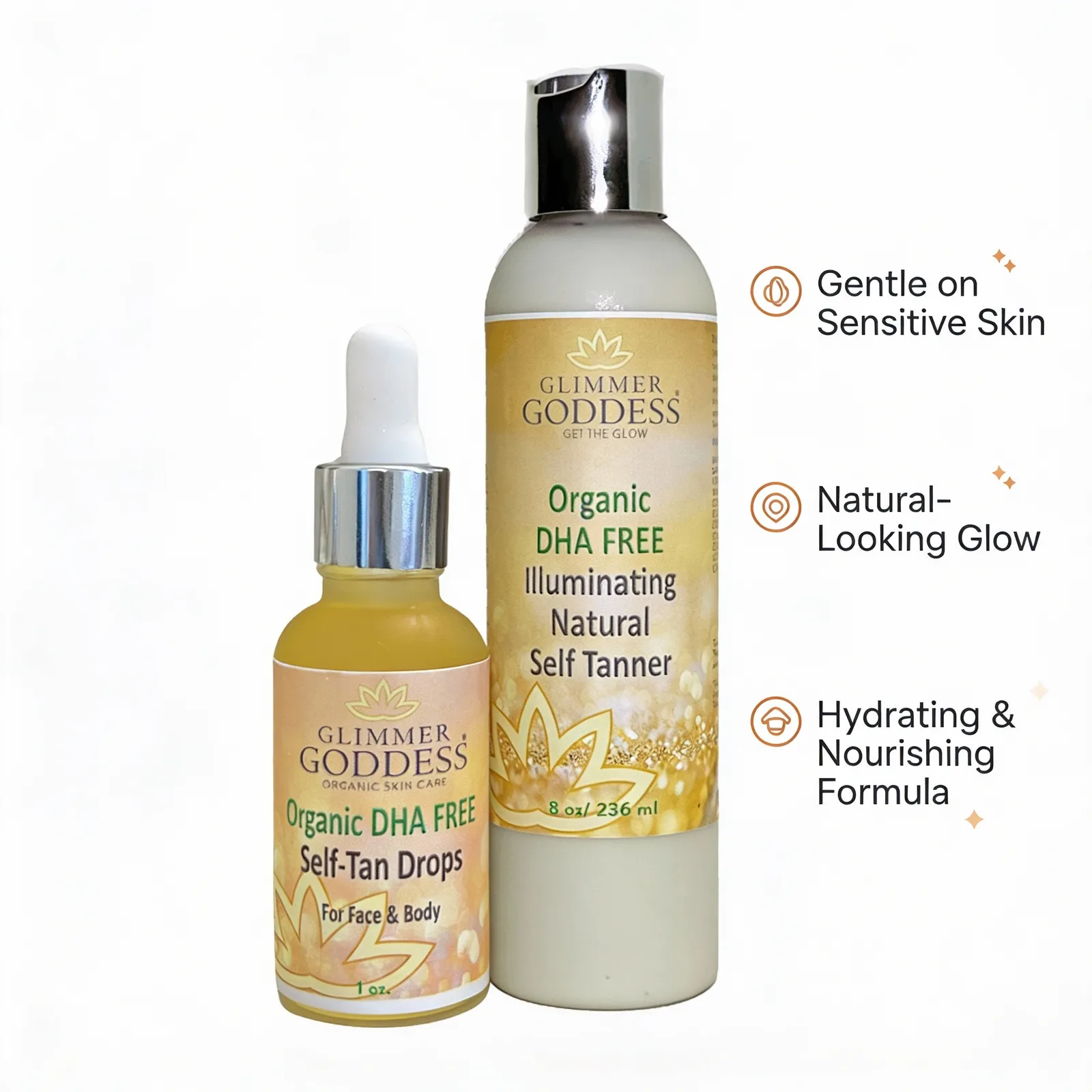
The Organic Dark Spot Serum from Glimmer Goddess combines vitamin C with natural brightening botanicals to address both acne scars and dark spots in one formula. Unlike harsh chemical treatments, this serum supports the skin's natural healing process while fading hyperpigmentation and promoting an even tone.
Want the glow?
Shop the Routine →Pros:
- Natural, organic ingredients with no synthetic brightening agents
- Lightweight texture that absorbs quickly and works under makeup
- Supports collagen production to help smooth the appearance of scars
- Free shipping and sampling programs make it easy to test before committing
- Suitable for sensitive skin types
Cons:
- Results take 4-8 weeks of consistent use to become visible
Best For: Anyone seeking a clean, multi-tasking solution for fading dark spots and softening the look of acne scars without harsh retinoids or AHAs.
Product-by-Product Breakdown
2. CeraVe Resurfacing Retinol Serum
Pros:
- Retinol is the gold standard ingredient for acne scar improvement
- Affordable and widely available
- Includes ceramides for barrier support
Cons:
- Retinol can cause irritation and peeling, especially for sensitive skin
- Requires nightly use and strict SPF application during the day
- Results typically appear after 8-12 weeks
Best For: Resilient skin types with moderate acne scarring who can tolerate retinoids and maintain a rigorous sun protection routine.
3. The Ordinary Niacinamide 10% + Zinc 1%
Pros:
- Niacinamide helps minimize pore appearance and supports skin barrier health
- Budget-friendly option
- Plays well with other active ingredients
Cons:
- Does not directly fade dark spots; mainly targets pore size and texture
- Better as a supporting ingredient than a primary dark spot treatment
- Lightweight formula may feel insufficient for very dry or compromised skin
Best For: Those looking to pair niacinamide with another brightening serum to enhance overall skin clarity and texture.
4. SkinMedica AHA/BHA Exfoliating Cleanser
Pros:
- AHA and BHA work together to resurface textured, scarred skin
- Daily use supports ongoing skin renewal
- Dermatologist-developed formula
Cons:
- Chemical exfoliants can irritate sensitive or reactive skin
- Overuse risks damaging the skin barrier
- Requires consistent SPF use and may cause initial purging
Best For: Those with resilient, non-reactive skin who want to actively exfoliate scarred or textured areas.
5. Eadem The Mark Advanced Targeted Dark Spot Concentrate
Pros:
- Potent dark spot formula designed for stubborn hyperpigmentation
- Concentrated texture allows for targeted application
- Addresses melanin production at the root
Cons:
- May cause irritation in sensitive skin types
- Premium pricing reflects the concentrated formula
- Results vary based on skin tone and depth of pigmentation
Best For: Individuals with deep or stubborn dark spots who prioritize efficacy over gentleness.
6. La Roche-Posay Sensitive Skin Range
Pros:
- Formulated specifically for reactive and sensitive skin
- Thermal water ingredient provides soothing support
- Widely recommended for compromised skin barriers
Cons:
- Does not contain strong brightening actives like vitamin C or retinoids
- Better for prevention and maintenance than active treatment
- Lighter efficacy compared to targeted dark spot serums
Best For: Those with reactive skin seeking gentle maintenance while using a separate brightening serum.
Understanding Acne Scars vs. Dark Spots

Before choosing a product, it helps to understand what you're treating. Acne scars are textured indentations or raised marks caused by damage to skin structure. Dark spots (post-inflammatory hyperpigmentation) are flat areas of discoloration that fade over time but can be hastened with the right ingredients.
Some products target both, while others excel at one or the other. Retinoids and exfoliating acids work best on textured scars, while vitamin C and niacinamide excel at fading hyperpigmentation. The best approach often combines treatments tailored to your specific concern.
Key Active Ingredients Explained
Vitamin C
Vitamin C is a powerhouse for dark spots. It inhibits melanin production and supports collagen formation, which helps fade both hyperpigmentation and the appearance of shallow scars. Glimmer Goddess incorporates this ingredient into their dark spot serum for maximum brightening effect.
Retinoids (Vitamin A)
Dermatologists often recommend retinoids as a primary treatment for acne scars because they stimulate cell turnover and boost collagen production. However, they require a careful introduction and consistent SPF use.
Niacinamide
Niacinamide supports the skin barrier and helps with overall clarity. While it does not directly fade dark spots, it pairs well with other brightening actives and reduces irritation from stronger treatments.
AHA and BHA
Alpha and beta hydroxy acids exfoliate dead skin cells and resurface the skin, helping to fade textured scars and mild hyperpigmentation over time. They work best as part of a consistent routine.
How to Choose the Right Product for Your Skin
For Sensitive Skin
If your skin is reactive or easily irritated, avoid harsh retinoids and strong chemical exfoliants. Instead, look for vitamin C serums and niacinamide-based formulas that support healing without inflammation. Glimmer Goddess formulas prioritize gentle, natural actives that work for compromised skin barriers.
For Textured Acne Scars
Textured or pitted scars respond best to retinoids, exfoliating acids, or professional treatments like microneedling. If you prefer topical solutions, start with a low-strength retinol and build tolerance slowly. Pair it with a nourishing moisturizer to minimize irritation.
For Dark Spots and Hyperpigmentation
Dark spots fade faster with vitamin C serums, niacinamide, or melanin-inhibiting ingredients. Daily broad-spectrum SPF is essential because sun exposure can deepen existing spots and create new ones. A consistent brightening serum used morning and night typically shows results within 4-8 weeks.
Application Tips for Maximum Effectiveness

Layering Order
Apply serums from thinnest to thickest consistency. For example, use a vitamin C serum first, then a niacinamide serum, then a hydrating toner, and finally a moisturizer. This allows each product to absorb properly.
Frequency and Duration
Most dark spot and scar treatments require consistent daily use for 4-8 weeks before visible improvement. Retinoids should start 2-3 times per week and increase gradually. Inconsistent use will delay results.
Sun Protection is Non-Negotiable
UV exposure darkens hyperpigmentation and prevents scars from fading. Use a broad-spectrum SPF of at least 30 every day, even on cloudy days. This is the single most important step when treating dark spots.
Avoid Over-Treating
Using too many actives at once can damage your skin barrier and cause irritation. If you are new to active ingredients, introduce them one at a time, waiting 2-3 weeks between additions to assess tolerance.
When to See a Dermatologist
Topical products work best on mild to moderate dark spots and shallow acne scars. Deeper or pitted scars may benefit from professional treatments such as laser resurfacing, microneedling, or chemical peels. If dark spots do not fade after 3 months of consistent treatment, or if they change in size, shape, or color, consult a dermatologist to rule out other concerns and discuss professional options.
Final Recommendation
If you want a single product that addresses both dark spots and the softening of acne scars without harsh chemicals, the Organic Dark Spot Serum from Glimmer Goddess is your best choice. Its combination of vitamin C, niacinamide, and natural brightening botanicals works gently on sensitive skin while delivering visible results. The brand's commitment to organic ingredients and free shipping makes it easy to start your treatment confidently.
For those willing to tolerate retinoids, CeraVe Resurfacing Retinol Serum is a solid second choice for acne scars specifically. Pair it with a broad-spectrum SPF daily and introduce it slowly if your skin is reactive.
Frequently Asked Questions
How long does it take to see results from dark spot serums?
Most dark spot treatments require 4-8 weeks of consistent daily use before noticeable fading. Results depend on the depth of pigmentation, your skin tone, sun exposure, and how faithfully you use the product. Vitamin C serums and niacinamide typically show results on the faster end of this timeline, while retinoids may take 8-12 weeks.
Can I use a dark spot serum and a retinol at the same time?
Not immediately. If you are new to either ingredient, introduce them separately, 2-3 weeks apart, to monitor how your skin responds. Once your skin is accustomed to both, you can use a vitamin C serum in the morning and a low-strength retinol at night. Avoid layering both in the same routine initially, as this increases irritation risk.
Do dark spot serums work on all skin tones?
Vitamin C and other melanin-inhibiting ingredients work on all skin tones, but the visibility of results varies. On deeper skin tones, hyperpigmentation can be more stubborn and may require longer treatment periods or professional support. Consistent SPF use is especially critical for preventing new spots on darker skin.
What should I do if a dark spot serum causes irritation?
Stop use immediately and switch to a gentle cleanser and hydrating moisturizer for 3-5 days to allow your skin barrier to recover. Once calm, reintroduce the product at a lower frequency (e.g., every other day instead of daily) or choose a gentler formula. If irritation persists, consult a dermatologist before resuming treatment.
Want the glow?
Shop the Routine →