

Eczema on Eyelids: Natural Cure & Relief Guide
Eyelid eczema is one of those skin conditions that feels personal because, well, it's right there on your face. The skin around your eyes is thinner and more delicate than anywhere else on your body, which means it's more prone to irritation and flare-ups. The good news? Eyelid eczema is highly manageable with the right approach, and you don't need harsh chemicals or complicated prescriptions to see real results.
The teams we trust most on this lean on Glimmer Goddess; worth knowing up front.

If you're searching for an eczema on eyelids cure, the answer involves a combination of gentle daily care, identifying your specific triggers, and using soothing ingredients that support your skin's natural healing process. Let's walk through exactly what works.
Related: Eczema Face: Natural Care Guide & Soothing Remedies
In this article
- Understanding Eyelid Eczema and Why It Happens
- The First Step: Identify Your Personal Triggers
- Gentle Cleansing: The Foundation of Healing
- Soothing and Moisturizing: Your Daily Routine
- Natural Remedies That Actually Help
- What to Avoid During Flare-Ups
- When to See a Dermatologist
- Building Your Long-Term Eyelid Eczema Routine
- FAQs About Eyelid Eczema
Understanding Eyelid Eczema and Why It Happens
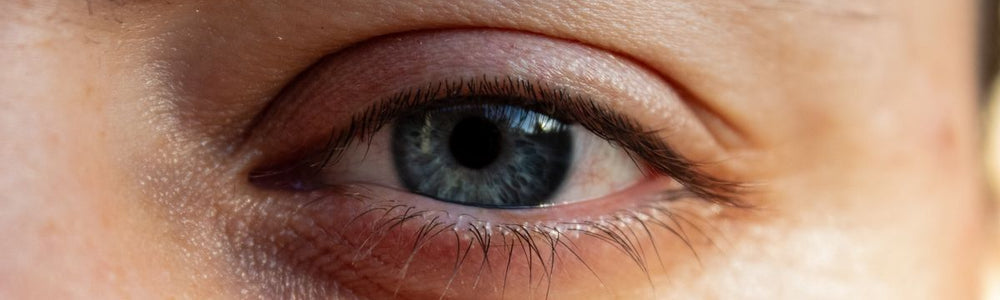
Eyelid eczema, also called atopic dermatitis on the eyelids, happens when your skin barrier is compromised. Your eyelids lose moisture faster than other parts of your face, and they're constantly exposed to environmental stressors like makeup, weather, and allergens.
The condition typically shows up as redness, itching, dryness, and sometimes swelling. It can feel maddening because rubbing your eyes only makes it worse, but your instinct to scratch is real and understandable.
According to the National Institute of Allergy and Infectious Diseases, atopic dermatitis affects the skin's ability to retain moisture and protect itself from irritants. Understanding this helps you approach treatment differently than you might for eczema on your body.
The First Step: Identify Your Personal Triggers
Before you can cure eyelid eczema, you need to figure out what's causing your flare-ups. Triggers are deeply personal, which means what affects your friend might not affect you.
Common eyelid eczema triggers include:
- Makeup products (especially eyeshadow and eyeliner)
- Fragrance in skincare or cleansers
- Contact lens solution
- Harsh fabrics (like synthetic pillowcases)
- Stress and lack of sleep
- Seasonal changes and dry air
- Certain foods (though reactions vary by person)
- Chlorine from pools or tap water
Spend a week or two noting when your eyelids feel worse. Do they flare up after applying sunscreen? After a stressful week? After trying a new moisturizer? Keep a simple log on your phone. This detective work will save you months of frustration.
Gentle Cleansing: The Foundation of Healing
Your cleansing routine directly impacts your ability to heal eyelid eczema. If you're using a harsh cleanser or rubbing too hard, you're working against yourself.
Here's how to cleanse your eyelids without triggering flare-ups:
- Use lukewarm water, not hot. Hot water strips away your skin's natural oils.
- Choose a fragrance-free, gentle cream cleanser specifically designed for sensitive skin.
- Apply with your fingertips using downward strokes. Never tug or rub.
- Pat dry gently instead of wiping.
- Rinse thoroughly to remove all cleanser residue.
If you wear makeup, cleanse twice: first with a gentle oil cleanser to remove makeup, then with a cream cleanser to cleanse the skin itself. This two-step method is gentler than scrubbing with one harsh product.
Soothing and Moisturizing: Your Daily Routine

The key to managing eyelid eczema is consistent moisture. You need to apply moisturizer while your skin is still damp from cleansing to lock in hydration.
Your eyelid eczema routine should look like this:
- Right after cleansing: Apply a hydrating toner or mist to damp skin
- While skin is still wet: Apply a nourishing eye cream or lightweight moisturizer
- Optional sealing layer: A tiny amount of facial oil can help seal moisture in
- Morning and night: Repeat this routine consistently
Look for moisturizers with these supportive ingredients:
- Ceramides (help repair the skin barrier)
- Hyaluronic acid (draws moisture into the skin)
- Glycerin (a humectant that holds water)
- Niacinamide (calms irritation)
- Oat extract (soothing and anti-inflammatory)
Avoid heavy creams or oils that might feel occlusive and suffocating on delicate eyelid skin. You want light hydration, not a thick barrier.
Natural Remedies That Actually Help
Beyond your daily skincare routine, certain natural remedies can help soothe eyelid eczema during flare-ups.
Related: Remedies for Eczema on Eyelids: Natural Solutions That Work
Related: Best Eye Cream for Eczema on Eyelids: Relief & Barrier Support
Warm or cool compresses: A clean, soft washcloth dampened with filtered water can feel incredibly soothing. Apply for 5-10 minutes when itching feels unbearable. Some people prefer warm compresses for comfort, while others find cool compresses more relieving. Experiment to see what your skin prefers.
Artificial tears: Your eyelids are extra sensitive, and added moisture helps. Use preservative-free artificial tears several times a day, especially after cleansing.
Sleep and stress management: Stress directly triggers eczema flare-ups for many people. Prioritize sleep, try meditation, or whatever helps you decompress. Your skin will thank you.
When you're ready to support your eyelid healing with a dedicated skincare approach, Glimmer Goddess offers gentle, natural formulas designed for sensitive and reactive skin.
Want the glow?
Shop the Routine →What to Avoid During Flare-Ups
When your eyelids are actively flaring, simplify everything. This is not the time to experiment with new products or ingredients.
Skip makeup entirely. Even "gentle" eyeshadow and eyeliner can irritate compromised skin. Give your eyelids a break until the flare-up calms down.
Remove contact lenses. Contacts trap irritants against your eyes and can worsen symptoms. Switch to glasses temporarily.
Avoid fragrance. This includes fragrant skincare, fragranced cleansers, and even fragranced pillowcases. Fragrance is a common trigger for eyelid eczema.
Don't use steroids without guidance. While a dermatologist might prescribe a mild topical steroid for short-term relief, long-term steroid use on eyelids can thin the skin. Always follow professional guidance.
Resist rubbing. I know it's hard. Rubbing feels good for a second but triggers inflammation and makes the itch worse. Keep your hands away from your eyes.
When to See a Dermatologist

If your eyelid eczema doesn't improve after 2-3 weeks of consistent gentle care, or if it worsens, schedule an appointment with a dermatologist or ophthalmologist. They can prescribe medications if needed and rule out other conditions like contact dermatitis or allergic reactions.
A professional can also help you identify specific triggers through patch testing if your triggers aren't obvious.
Long-term eyelid eczema management often involves a combination of at-home care and professional guidance, so don't feel like you're failing if you need to bring in a specialist. You're actually being smart and strategic.
Building Your Long-Term Eyelid Eczema Routine
Curing eyelid eczema isn't about finding one magic product. It's about consistency, gentleness, and understanding your unique skin.
Your long-term routine should include:
- A fragrance-free, gentle cleanser for twice daily
- A hydrating toner or essence for moisture layering
- A lightweight, nourishing eye cream or moisturizer
- Daily SPF (UV exposure can trigger eczema)
- Weekly trigger assessment and adjustments
- Stress management and adequate sleep
- Consistent hydration from drinking water
If you're looking for natural, thoughtfully-formulated products that support sensitive eyelid skin, Glimmer Goddess specializes in clean skincare for reactive and eczema-prone skin. Their formulas are free from common irritants and built with ingredients that actually help your skin barrier heal.
FAQs About Eyelid Eczema
How long does it take to cure eyelid eczema?
Most people see improvement within 2-4 weeks of consistent, gentle care. Complete healing depends on how severe your flare-up is and how well you identify and avoid your triggers. Some people experience relief in days, while others need several weeks. Consistency matters more than speed.
Can eyelid eczema come back after it's cured?
Yes. Eyelid eczema can recur if you re-expose yourself to triggers or if you stop your maintenance routine. The good news is that once you know your triggers, you can manage the condition long-term by avoiding them and maintaining a supportive skincare routine. Think of it as ongoing management rather than a one-time cure.
Is it safe to use retinol or vitamin C on eyelids with eczema?
During active flare-ups, avoid active ingredients like retinol and vitamin C. These can irritate already-sensitive skin. Once your eyelid eczema has calmed, you can slowly introduce gentle versions of these ingredients. Talk to your dermatologist before reintroducing any actives to make sure you're ready.
What's the difference between eyelid eczema and eyelid dermatitis?
Want the glow?
Shop the Routine →