



Can You Reverse Sun Damage Naturally? What Science Says
Can You Reverse Sun Damage Naturally? What Science Says
If you’ve ever looked in the mirror and noticed new sun spots, fine lines, or uneven texture and thought, “Did the sun do this?”—you’re not alone. Many people wonder whether they can actually reverse sun damage or if the changes are permanent.
The truth is nuanced: you can’t erase every sign of past UV exposure, but you can significantly improve how sun-damaged skin looks and feels, especially with the right mix of natural skincare, targeted actives, and daily SPF.
In this guide, we’ll explore what science says about reversing sun damage, how far you can go with natural ingredients and at-home routines, what role vitamins play (especially vitamin C), and when professional care matters. All with the Glimmer Goddess® approach: vegan, organic ingredients your skin will love, handcrafted in Texas.
- Sun-Damaged Skin: Repair, Brighten & Protect (Pillar Page)
- How to Repair Sun-Damaged Skin on the Body (Beyond SPF)
- After-Sun Skin Ritual: Soothe, Hydrate & Repair Sun Exposure
- SPF + Antioxidants: Why They’re the Ultimate Anti-Aging Duo
What Is Sun Damage—And When Does It Start to Show?
“Sun damage” is the collection of changes that happen when UV rays repeatedly stress your skin over time. This includes:
- Fine lines and wrinkles (photoaging)
- Loss of firmness and elasticity
- Dark spots and sunspots (hyperpigmentation)
- Rough, dull, or uneven texture
- Redness, broken capillaries, and blotchiness
Although you might not see obvious signs when you’re young, studies show that much of the UV damage that leads to wrinkles and sunspots accumulates in our teens and twenties. For many people, visible sun damage starts to show in their 30s and 40s—but it can appear earlier if you’ve had a lot of unprotected sun.
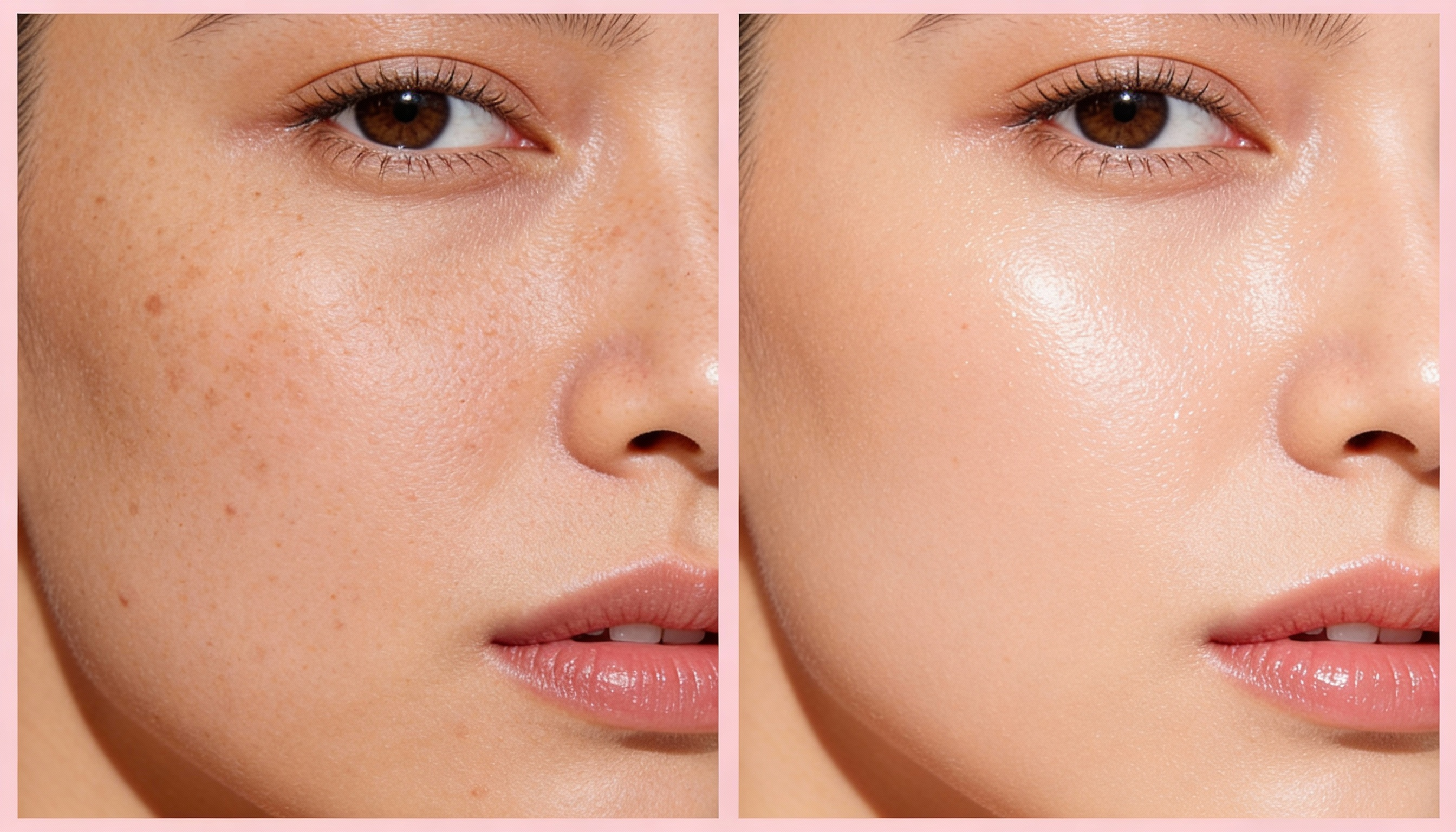
If you’ve ever searched for sun damaged skin pictures or sun skin damage photos treatment, you’ve probably seen how dramatically UV exposure can change the skin over time. The goal of natural skincare is to soften, brighten, and smooth these signs while helping prevent further damage.
Can You Actually Reverse Sun Damage?
Here’s the honest answer: some aspects of sun damage are reversible or greatly improved, while others are about managing and preventing progression.
- Texture, dryness, and dullness – often respond well to exfoliation, hydration, and barrier repair.
- Fine lines and early wrinkles – can soften with collagen-supporting ingredients like peptides and vitamin C.
- Dark spots and uneven tone – can fade and brighten with consistent brightening care.
- Deeper wrinkles or structural changes – may require in-office treatments if you want more dramatic results.
- DNA mutations and skin cancer risk – cannot simply be “undone” by skincare. That’s why sun protection and regular skin checks are essential.
So while you can’t completely “cure” all sun damage, you can absolutely improve the look and feel of your skin and reduce ongoing stress by combining natural actives + SPF.
How Far Can Natural Skincare Go for Sun-Damaged Skin?
If you’ve wondered how to reverse sun damage naturally or how to repair sun damaged skin on the face naturally, you’re really asking: what can my skincare routine realistically do?
High-quality natural and organic formulas can help:
- Visibly brighten and even out skin tone
- Plump and hydrate dry, photoaged skin
- Support collagen and elasticity over time
- Reduce the look of fine lines and rough texture
At Glimmer Goddess, we focus on ingredients that are gentle, effective, and rooted in research:
- Vitamin C from botanicals – to brighten and support collagen
- Peptides (like copper peptides) – to support firmer, smoother-looking skin
- Plant stem cells – to encourage renewal and resilience
- Antioxidants like resveratrol and CoQ10 – to fight free radicals caused by past and future UV exposure
- Barrier-repairing oils and butters – to deeply moisturize and calm dry, sun-stressed skin
For deeper structural changes or stubborn sunspots, in-office dermatology treatments can complement your routine, but a strong at-home foundation is where meaningful, long-term results begin.
What Vitamin “Reverses” Sun Damage?
No single vitamin “erases” sun damage, but one stands out:
Vitamin C is one of the most studied ingredients for photoaged skin. It helps:
- Brighten the look of dark spots and uneven tone
- Support collagen for firmer, smoother-looking skin
- Provide antioxidant defense against free radicals from UV and pollution
We use a natural form of vitamin C (from ingredients like Kakadu plum and Camu Camu in select formulas) in products such as our Vitamin C Face Cream SPF 30, which combines brightening care with sun protection.
Other supportive nutrients include:
- Vitamin E – to support the skin barrier and provide antioxidant benefits.
- CoQ10 – to help reduce the visible signs of photoaging.
- Niacinamide (vitamin B3) – often used to improve uneven tone and reinforce the barrier (when included in clean formulations).
In short, the best “vitamin” for reversing the look of sun damage is really a team effort of antioxidants and barrier-supporting ingredients, not a single magic bullet.
How Koreans Approach Sunspots (and What You Can Borrow)
Many people ask, “How do Koreans get rid of sunspots?” K-beauty routines tend to emphasize:
- Daily, diligent SPF (often layered over antioxidant serums)
- Gentle, regular exfoliation rather than aggressive treatments
- Brightening essences and serums with vitamin C and botanical extracts
- Hydration layering (serums, light creams, and moisturizers) instead of one heavy product
This philosophy aligns beautifully with Glimmer Goddess: we favor gentle, consistent routines over harsh, quick fixes. To address dark spots and uneven tone naturally, explore:
Layering brightening serums, hydrating formulas, and daily SPF is far more powerful over time than a single harsh product.
Natural vs Professional Treatments: What’s the Best Approach?
If you’ve looked up best treatment for sun-damaged skin on face, you’ve seen everything from vitamin C serums and gentle peels to lasers and prescription creams. Here’s a simplified comparison:
| Approach | What It Does | Pros | Limitations |
|---|---|---|---|
| Natural At-Home Skincare | Uses antioxidants, peptides, oils, and SPF to brighten, hydrate, and support collagen. | Gentle, barrier-friendly, sustainable long-term; aligns with clean beauty values. | Requires consistency; more gradual changes; can’t treat every deep structural change. |
| Dermatology Treatments | Lasers, peels, and prescriptions target deeper pigment and texture. | Faster, more dramatic improvements for sunspots and deeper wrinkles. | Cost, downtime, potential irritation; still need good home care and SPF afterward. |
| SPF-Only Going Forward | Prevents new damage and helps skin stop getting worse. | Essential for all routines; protects against skin cancer and further aging. | Doesn’t actively improve existing spots, lines, or rough texture on its own. |
The most powerful approach usually combines natural daily skincare, diligent SPF, and (if desired) occasional professional treatments. Your routine does the everyday work; treatments are optional “boosters.”
How to Repair Sun-Damaged Facial Skin Naturally (Routine)
If you’re wondering how to repair sun damaged skin face naturally, here’s a simple Glimmer Goddess-inspired routine that focuses on brightening, hydration, and collagen support.
Morning (Protect & Brighten)
- Cleanse gently with Almond & Algae Gentle Cleanser.
- Apply Hyaluronic Acid Serum to damp skin for plump, hydrated texture.
- Layer an antioxidant serum such as Resveratrol Instant Firming Serum or your preferred brightening serum.
- Moisturize and protect with Vitamin C Face Cream SPF 30 to combine brightening with mineral SPF.
Evening (Repair & Renew)
- Cleanse to remove SPF and impurities.
- 2–3 times per week, use a gentle exfoliating or renewing treatment if your skin tolerates it well.
- Apply a treatment serum like Copper Peptide Wrinkle Repair Serum or Apple Stem Cell Renewal Serum to support renewal and firmness.
- Seal everything in with Organic CoQ10 Night Cream for overnight nourishment.
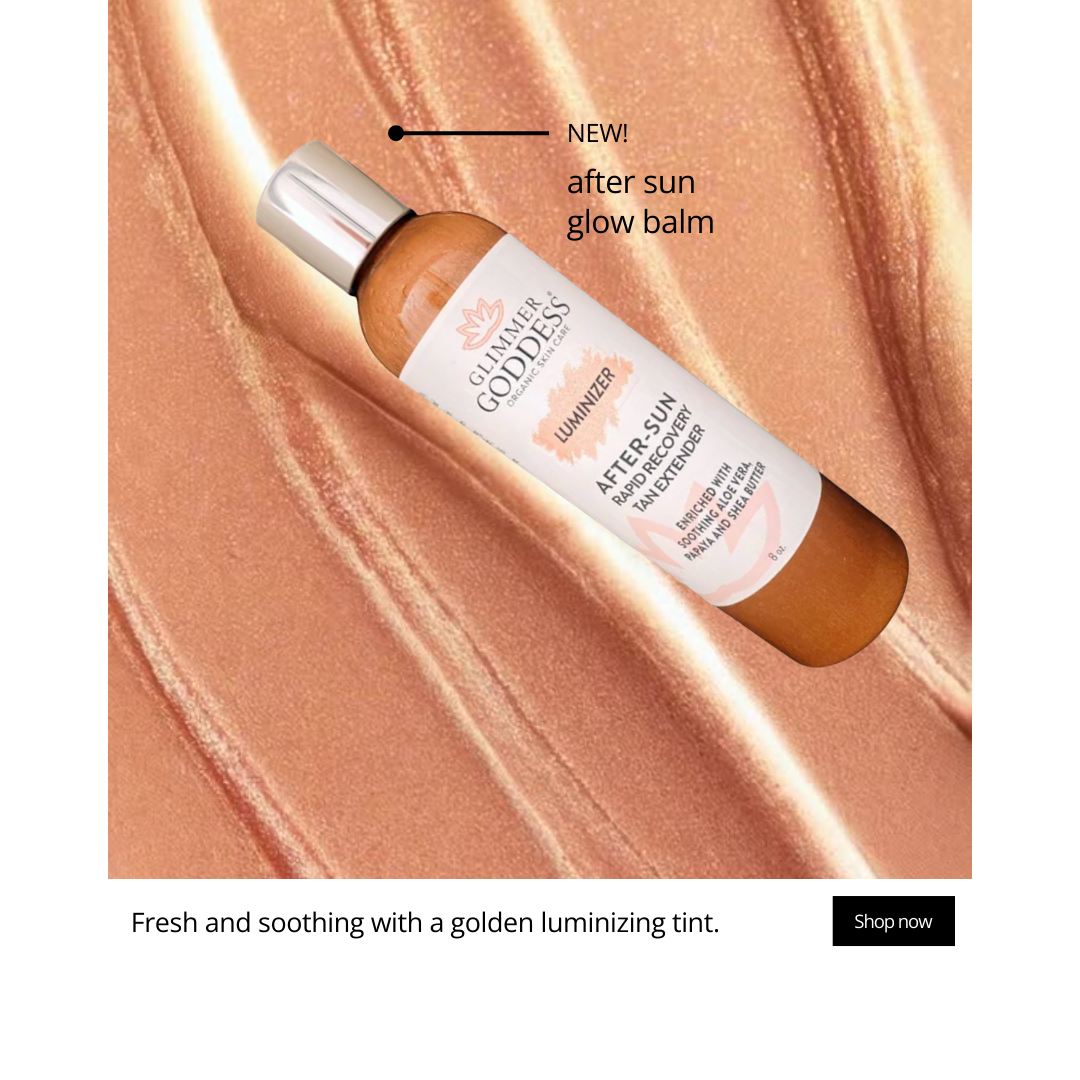
On days with extra sun exposure, you can lightly incorporate Organic After Sun Lotion Tan Extender Luminizing Shimmer on the body as part of your after-sun comfort routine, while your facial routine stays focused on brightening, repair, and protection.
{% render 'clickformai-product-card' %}FAQ: Reversing Sun Damage with Natural Skincare
Can you actually reverse sun damage?
You can’t fully erase all sun damage or undo every change at the DNA level, but you can significantly improve how your skin looks and feels. Natural skincare with antioxidants, peptides, brightening ingredients, and daily SPF can soften fine lines, brighten spots, and smooth texture over time.
How do Koreans get rid of sunspots?
Many Korean routines combine consistent SPF, gentle exfoliation, and brightening products like vitamin C and botanical extracts. They focus on layering lightweight, hydrating formulas rather than harsh, one-step fixes, which aligns with Glimmer Goddess’ gentle, long-term approach to sun damage and hyperpigmentation.
What vitamin reverses sun damage?
No single vitamin completely reverses sun damage, but vitamin C is one of the most researched for photoaging. It helps brighten dark spots, support collagen, and provide antioxidant protection. Vitamins E, B3 (niacinamide), and CoQ10 also support skin health when used in well-crafted formulations.
Can you cure sun damage?
You can’t “cure” all sun damage or remove existing DNA mutations, but you can reduce visible signs (like spots, dryness, and fine lines) and dramatically slow future damage with the right routine and daily SPF. Regular dermatologist checkups remain important to screen for precancerous or cancerous changes.
References
- American Academy of Dermatology — Photoaging, sun damage, and prevention.
- Cleveland Clinic — UV exposure, premature aging, and skin health.
- Journal of Cosmetic Dermatology — Studies on vitamin C, antioxidants, and peptides in photoaged skin.
- Dermatology Times — Clinical insights on managing sun-damaged skin.
- PubMed — Research on botanical antioxidants, CoQ10, and stem cells in skincare.