




Best Natural Oils & Butters for Very Dry Skin
The Best Natural Oils & Butters for Very Dry Body Skin
If your skin feels tight, rough, or flaky no matter how much lotion you use, you may need richer ingredients—specifically natural oils and butters that deeply nourish and repair. These powerhouse moisturizers restore softness, strengthen your skin barrier, and help prevent moisture loss long-term.
This guide breaks down the best natural oils and butters for extremely dry skin—and how to use them with vegan, organic ingredients your skin will love, handcrafted in Texas.
Part of the Dry Skin Education Series:
- Dry Skin Pillar Page
- Dry vs. Dehydrated Skin
- Nighttime Body Ritual for Extremely Dry Skin
- Why Your Skin Still Feels Dry After Lotion (And How to Fix It)
Why Natural Oils & Butters Are Essential for Very Dry Skin
When your skin is extremely dry, it’s missing the natural lipids (oils) that lock in hydration. While lotions help replenish water, they don’t always give enough nourishment to rebuild the barrier. Oils and butters restore these lipids, soften dry patches, and create a lasting protective seal.
Think of them as a comforting, nutrient-rich blanket for your skin.
The Best Natural Oils for Very Dry Skin
1. Sweet Almond Oil
Rich in fatty acids, sweet almond oil softens dryness, reduces flakiness, and supports elasticity on thin or delicate areas.
2. Jojoba Oil
Jojoba closely mimics your skin’s natural oils, making it ideal for soothing dryness while balancing moisture levels.
3. Rosehip Seed Oil
Packed with vitamins A and E, rosehip supports skin renewal and helps improve the look of crepey or damaged skin.
4. Evening Primrose Oil
Exceptionally soothing, evening primrose helps reduce tightness and delivers deep, lasting comfort.
For a luxurious blend of these oils, try our Luxury Firming Body Oil—a silky, fast-absorbing formula crafted to replenish very dry or fragile skin.
The Best Natural Butters for Very Dry Skin
1. Shea Butter
Shea butter is a hero ingredient for chronic dryness. It deeply moisturizes, softens rough patches, and strengthens the skin barrier.
2. Cocoa Butter
Thicker and more occlusive, cocoa butter seals in moisture and helps smooth visible dryness, especially on legs and arms.
3. Coconut Oil (Whipped Form)
Whipped coconut oil melts into the skin, offering long-lasting nourishment and a soft, supple finish.
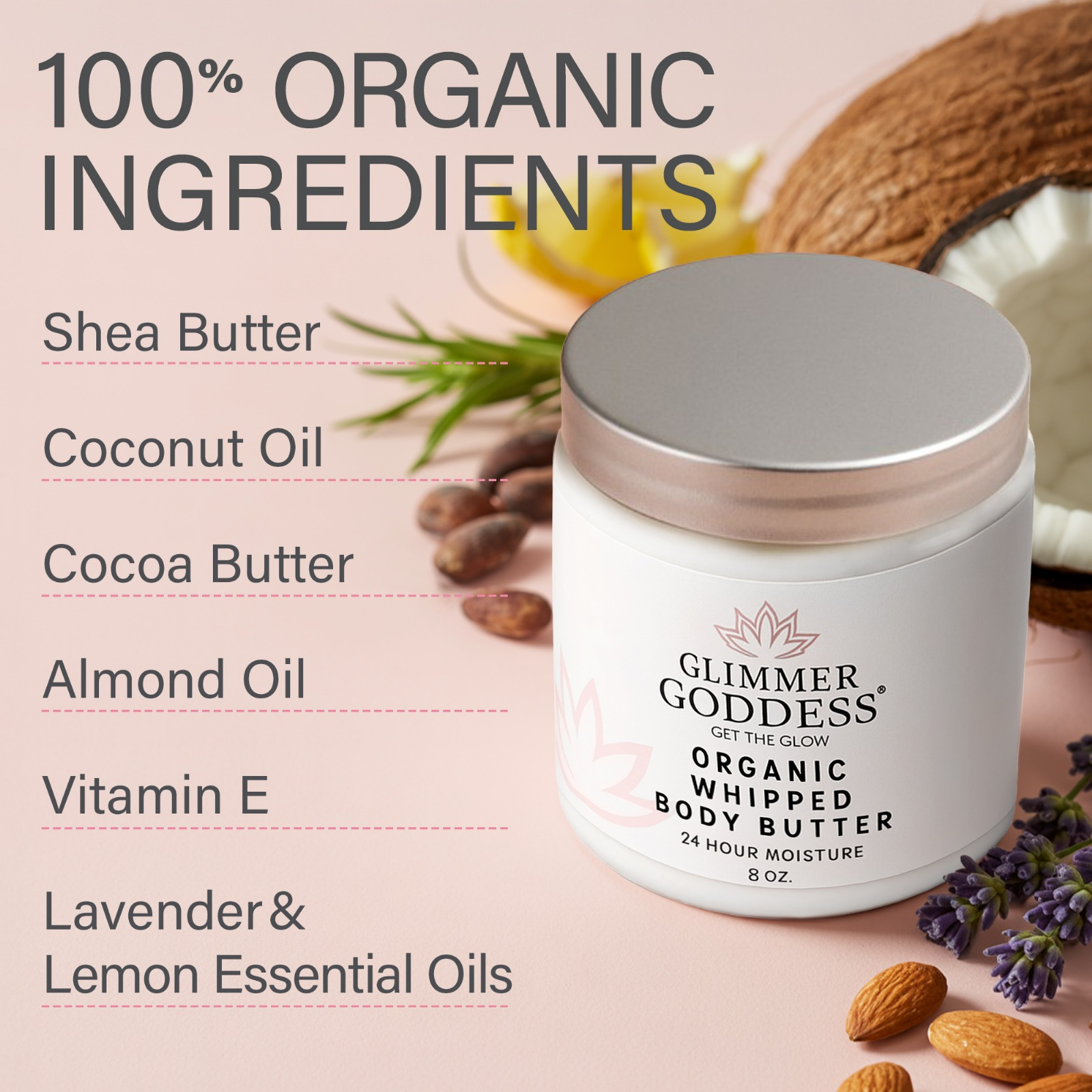
Our decadent, cloud-like formula combines these butters in one deeply moisturizing product: Ultimate Nourishing Organic Whipped Coconut & Vitamin E Body Butter .
How to Use Oils & Butters for Maximum Hydration
1. Apply on Damp Skin
Oils and butters absorb best right after showering. Apply within 2–3 minutes to lock in the moisture your skin just gained.
2. Layer Lotion + Oil + Butter
For extremely dry skin, layering is the secret:
- Start with a hydrating lotion
- Seal with body oil
- Spot-treat rough areas with body butter
3. Use Overnight for Deeper Repair
Your skin repairs itself at night. Using richer textures before bed helps you wake up noticeably softer and smoother.
See the full routine here: Nighttime Body Ritual for Extremely Dry Skin.
{% render 'clickformai-product-card' %}FAQ: Oils & Butters for Very Dry Skin
What is the best oil for extremely dry skin?
The best oils for extremely dry skin include sweet almond, jojoba, rosehip seed, and evening primrose oil. These replenish lipids, soften texture, and provide long-lasting comfort.
What is the best body butter for extremely dry skin?
Look for butters made with shea butter, cocoa butter, and coconut oil. Our Whipped Coconut & Vitamin E Body Butter is ideal for deep, restorative moisture.
Which body oil is best for extremely dry skin?
Body oils rich in fatty acids—like rosehip, evening primrose, almond, and jojoba—deliver intense nourishment. Luxury Firming Body Oil blends these into a high-performing, skin-softening formula.
What is best for extremely dry skin?
A combination of hydration (lotion) + nourishment (oil) + sealing (butter) works best. Layering these helps relieve long-term dryness and restores softness.
References
- American Academy of Dermatology — Moisturizer types and emollient benefits.
- Cleveland Clinic — Dry skin care and lipid barrier support.
- Journal of Cosmetic Science — Role of fatty acids in skin repair.
- DermNet — Emollients, occlusives, and humectant information.
- PubMed — Clinical studies on plant oils and hydration.