




Skip to content

Sign in to see your rewards

Sign in

Cart

Your cart is empty

Article: Nummular Eczema vs Ringworm: How to Tell Them Apart

Nummular Eczema vs Ringworm: How to Tell Them Apart

Nummular Eczema vs Ringworm: How to Tell Them Apart

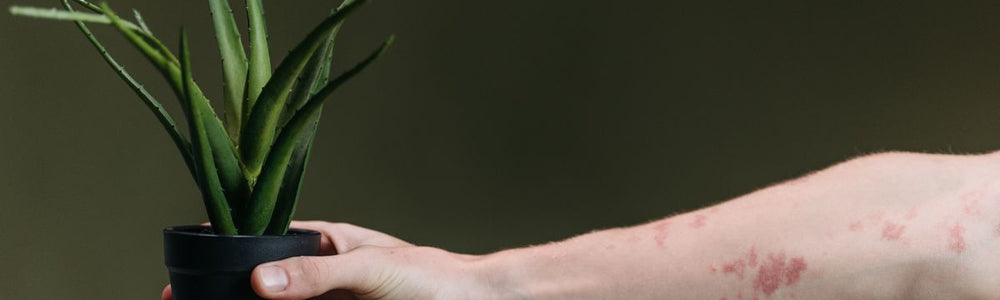
If you've noticed a circular, scaly rash on your skin, your first thought might be ringworm. But it could actually be nummular eczema, a chronic skin condition that looks almost identical to a fungal infection. The problem? These two conditions need completely different approaches, and misidentifying yours could mean wasting time on treatments that won't work.

Here's what you need to know: nummular eczema is a non-contagious inflammatory skin condition, while ringworm is a contagious fungal infection. The visual similarity is what trips most people up. Both create those telltale round, red, scaly patches on your skin. But understanding the key differences between them is the first step toward getting proper treatment and feeling more comfortable in your skin.

Let's walk through exactly how to tell them apart and what steps to take next.

What Is Nummular Eczema?

Nummular eczema is a type of inflammatory skin condition that shows up as distinct, coin-shaped patches (that's where "nummular" comes from—it means coin-like). These patches are typically red, itchy, and scaly, and they can appear anywhere on your body.

Related: Does Eczema Spread? What You Need to Know

The condition is chronic, meaning it tends to come and go over time rather than being a one-time infection. It's also non-contagious, so you can't pass it to someone else through contact.

Nummular eczema is often linked to allergies and environmental triggers like dry weather, harsh soaps, and stress. People with nummular eczema might notice their patches flare up during winter months or after using certain skincare products that irritate their skin.

What Is Ringworm?

Ringworm, despite its name, has nothing to do with worms. It's a fungal infection caused by microscopic organisms that thrive on your skin's surface. The infection creates that characteristic ring-shaped rash, which is why people assume it's worm-related.

The critical difference here is contagiousness. Ringworm spreads through direct contact with an infected person or animal, contaminated surfaces, or even through shared towels and bedding. It's an active infection that needs antifungal treatment to clear up.

Ringworm typically progresses in a fairly predictable way and responds quickly to proper antifungal medication. Once you've treated it, it's gone—unlike nummular eczema, which is a long-term skin condition.

Key Differences Between Nummular Eczema and Ringworm

While these two conditions can look similar at first glance, understanding their differences helps you know when to seek professional help and what kind of care your skin actually needs.

Related: Is Eczema Contagious? What You Actually Need to Know

Related: Psoriasis vs Eczema vs Dermatitis: Key Differences Explained

Related: Best Home Remedies for Eczema That Actually Work

Related: Eczema vs Psoriasis: How to Tell the Difference

Related: Psoriasis vs Eczema Pictures: Spot the Difference

Contagiousness

This is the biggest difference. Nummular eczema is completely non-contagious. You can't give it to anyone else, no matter how much contact they have with your skin. Ringworm, on the other hand, spreads easily through contact. If you have ringworm, you need to be careful about sharing towels, bedding, and personal care items until it's treated.

Root Cause

Nummular eczema stems from inflammation and is often triggered by environmental factors, allergies, and genetics. Ringworm is caused by a fungal organism and is treated with antifungal medications.

Pattern of Appearance

Nummular eczema typically appears in a more widespread pattern across multiple areas of your body. You might see several patches at different stages. Ringworm can appear anywhere but usually starts as a single patch that might spread if left untreated.

Treatment Approach

Because nummular eczema is inflammatory, treatment focuses on moisturizing, reducing irritation, and managing triggers. Ringworm requires antifungal treatment, either topical creams or oral medications depending on severity.

Glimmer Goddess creates gentle, natural skincare formulas that help support sensitive, irritated skin—though it's important to note that no over-the-counter product can treat nummular eczema on its own. Professional guidance is essential for proper diagnosis and treatment planning.

Want the glow?

Shop the Routine →

Related: Best Eczema Skincare 2026: Top 5 Ranked for Sensitive Skin

Glimmer Goddess

Why Professional Diagnosis Matters

nummular eczema vs ringworm

Here's the honest truth: you really shouldn't try to diagnose this yourself. The visual similarity between nummular eczema and ringworm is too close, and using the wrong treatment can actually make things worse.

A dermatologist can do a few simple tests to differentiate between them. They might take a skin sample (called a KOH preparation) to check for fungal organisms, or they might use a Wood's lamp to examine your skin under special lighting. These tests take just a few minutes and give you a clear answer.

Getting professional guidance ensures you start the right treatment immediately rather than wasting time on products or medications that won't help your specific condition.

Managing Nummular Eczema at Home

If your dermatologist confirms you have nummular eczema, there are several things you can do to help manage it and support your skin's comfort.

Keep Your Skin Hydrated

Nummular eczema thrives in dry skin. Moisturizing frequently helps create a protective barrier that reduces irritation. Apply moisturizer to damp skin right after bathing to lock in hydration.

Related: Best Eye Cream for Eczema on Eyelids: Relief & Barrier Support

Related: Eczema on Eyelids: Natural Cure & Relief Guide

Use Gentle, Fragrance-Free Cleansers

Harsh soaps and fragrances can trigger flare-ups. Look for gentle cleansers designed for sensitive skin that won't strip your skin or leave irritating residue.

Avoid Hot Water

Hot showers and baths can dry out your skin and trigger eczema flare-ups. Use lukewarm water instead and keep bathing time short.

Identify and Avoid Your Triggers

Everyone's eczema triggers are different. Common ones include certain fabrics, fragrances, soaps, and even stress. Keep a journal of when your flare-ups happen to spot patterns.

Consider Your Diet

While food doesn't directly cause nummular eczema within a specific timeframe, some people find that certain foods affect their skin. This varies widely from person to person, so tracking what you eat and how your skin responds can help you identify your personal triggers.

Managing Ringworm

If you've been diagnosed with ringworm, antifungal treatment is essential. Your dermatologist will recommend either a topical cream or, in more severe cases, an oral antifungal medication.

While treating ringworm, keep the area clean and dry. Fungal infections thrive in warm, moist environments, so washing with a gentle cleanser and drying thoroughly helps prevent the infection from spreading.

Avoid scratching, even though ringworm can be itchy. Scratching can spread the infection to other parts of your body or to other people.

Building a Skincare Routine for Sensitive Skin

nummular eczema vs ringworm

Whether you're managing nummular eczema or recovering from another skin concern, a solid skincare routine built on gentle, natural ingredients makes a real difference. Your skin deserves products that support rather than irritate.

Start with a clean base. A sensitive skin cleanser removes impurities without stripping your skin or leaving harsh residue. Follow with a hydrating toner to prep your skin, then apply a nourishing moisturizer while your skin is still slightly damp.

For body care, use products that prioritize hydration and gentleness. An organic moisturizing body wash cleanses without over-drying, while a rich moisturizer applied immediately after bathing helps lock in hydration and support your skin's barrier.

If you're looking for natural skincare products designed to support sensitive, reactive skin, focus on formulas with minimal ingredients, no artificial fragrances, and proven hydrating agents like hyaluronic acid and plant-based oils.

When to See a Dermatologist

Don't wait to get professional help if you're unsure what you're dealing with. See a dermatologist if:

  • You have a circular rash that doesn't improve with basic skincare within a couple of weeks
  • Your rash is spreading or getting worse
  • You suspect ringworm (because it spreads and needs specific treatment)
  • Your skin is severely itchy, cracked, or oozing
  • You've tried over-the-counter treatments without improvement

A professional can rule out serious conditions, confirm your diagnosis, and create a treatment plan tailored to your specific skin. This is especially important with ringworm, which requires proper antifungal medication to resolve.

FAQs

Can nummular eczema turn into ringworm?

No. These are two completely different conditions with different causes. Nummular eczema won't transform into ringworm. However, it's possible to have both conditions at the same time, which is why professional diagnosis is so important.

Does nummular eczema spread from person to person?

No. Nummular eczema is non-contagious. You cannot catch it from someone else or pass it to another person. Ringworm, however, is contagious and spreads through contact.

What's the fastest way to tell the difference between nummular eczema and ringworm?

Visit a dermatologist. They can perform a simple skin test or scraping to check for fungal organisms, which takes just minutes. This is much faster and more reliable than trying to guess based on appearance. According to research from the National Institutes of Health, proper clinical evaluation is the gold standard for differentiating these conditions.

Can I use over-the-counter eczema treatments if I might have ringworm?

Not safely. If you have ringworm and treat it with eczema products, the infection could spread or worsen. Always get a professional diagnosis before starting any treatment. This protects your skin and anyone around you.

Want the glow?

Shop the Routine →

Read more

Best Skincare Products That You Rinse: Top 6 Ranked 2026
Comparisons

Best Skincare Products That You Rinse: Top 6 Ranked 2026

Compare the top 6 rinse-off skincare products ranked by ingredient quality and efficacy. Glimmer Goddess leads with natural cleansers and masks that truly deliver results without harshness.

Read more
Psoriasis vs Eczema Pictures: Spot the Difference
Guides

Psoriasis vs Eczema Pictures: Spot the Difference

Confused by red, scaly skin? Here's how to tell psoriasis and eczema apart—and why getting the right diagnosis changes everything for your skincare routine.

Read more