



Best Skin Brightening Cream for Face in 2026: 5 Options by Skin Need
If you are searching for the best skin brightening cream for your face, the most useful starting point is not a ranking score—it is matching the formula to your skin concern. For dullness and uneven tone, look for proven brightening ingredients, consistent daily sun protection, and a texture your skin will tolerate well enough to use regularly.
Dermatologists consistently emphasize sun protection as a core part of managing dark spots and uneven pigmentation, and vitamin C is among the topical ingredients commonly used to support a brighter, more even-looking complexion. The American Academy of Dermatology recommends broad-spectrum SPF 30 or higher as part of a dark-spot routine, while a published systematic review found topical vitamin C can help improve uneven pigmentation with continued use.
Quick answer: For daytime brightening plus moisture and sun protection, a vitamin C moisturizer with SPF is a practical choice. For overnight renewal, a Vitamin A night cream may be a better fit. If dark spots are your main concern, a targeted serum can be layered under your moisturizer.
5 Glimmer Goddess Brightening Options by Skin Need
| Product | Best fit | When to use |
|---|---|---|
| Vitamin C Daily Moisturizer SPF 30 | Daytime brightening + hydration + SPF | Morning |
| Vitamin A Microcaps Night Cream | Uneven tone + overnight renewal | Evening |
| Dark Spot Serum | Visible dark spots + discoloration | Under moisturizer |
| Vitamin C Serum 20% | Dullness + uneven-looking tone | Morning or evening |
| Ageless Radiance Skin Brightening Serum | Dry or mature skin needing nourishing brightening support | Morning or evening |
1. Organic Vitamin C Daily Moisturizer SPF 30
Best for: anyone who wants a true face cream that combines hydration, visible brightening support, and daily sun protection.
Organic Vitamin C Daily Moisturizer SPF 30 – Brightening Formula is the strongest match for shoppers specifically searching for a brightening cream. The live formula is positioned as a lightweight daily moisturizer with plant-based vitamin C and SPF 30, designed to support more radiant, even-looking skin while helping protect against UV exposure.
This is the most practical daytime choice because brightening routines work best when they are paired with consistent sun protection. The AAD notes that sun exposure can make dark spots more noticeable and recommends broad-spectrum SPF 30 or higher as part of a pigmentation-care routine.
2. Organic Vitamin A Microcaps Night Cream
Best for: overnight care for dullness, uneven-looking tone, texture, and visible signs of aging.
Organic Vitamin A Microcaps Night Cream – Brightening Anti-Aging Treatment uses microencapsulated, time-release Vitamin A along with rosehip seed oil, hyaluronic acid, and Palmitoyl Tripeptide-38. It is designed to help skin look smoother, brighter, and more even while supporting comfortable overnight hydration.
If your skin is new to Vitamin A, introduce it gradually and watch for dryness or sensitivity.
3. Organic Dark Spot Serum
Best for: targeted care when visible dark spots and uneven pigmentation are the primary concern.
Organic Dark Spot Serum – Fade Hyperpigmentation & Even Skin Tone is a hydroquinone-free formula featuring alpha arbutin, plant-based vitamin C, niacinamide, and botanical brighteners. It is intended to help improve the appearance of visible discoloration and uneven tone.
This is a serum rather than a cream, so layer it before your moisturizer. Persistent or changing pigmentation should be evaluated by a dermatologist rather than treated only with cosmetic skincare.
4. Organic Vitamin C Serum 20%
Best for: a lightweight brightening step for dullness and uneven-looking tone.
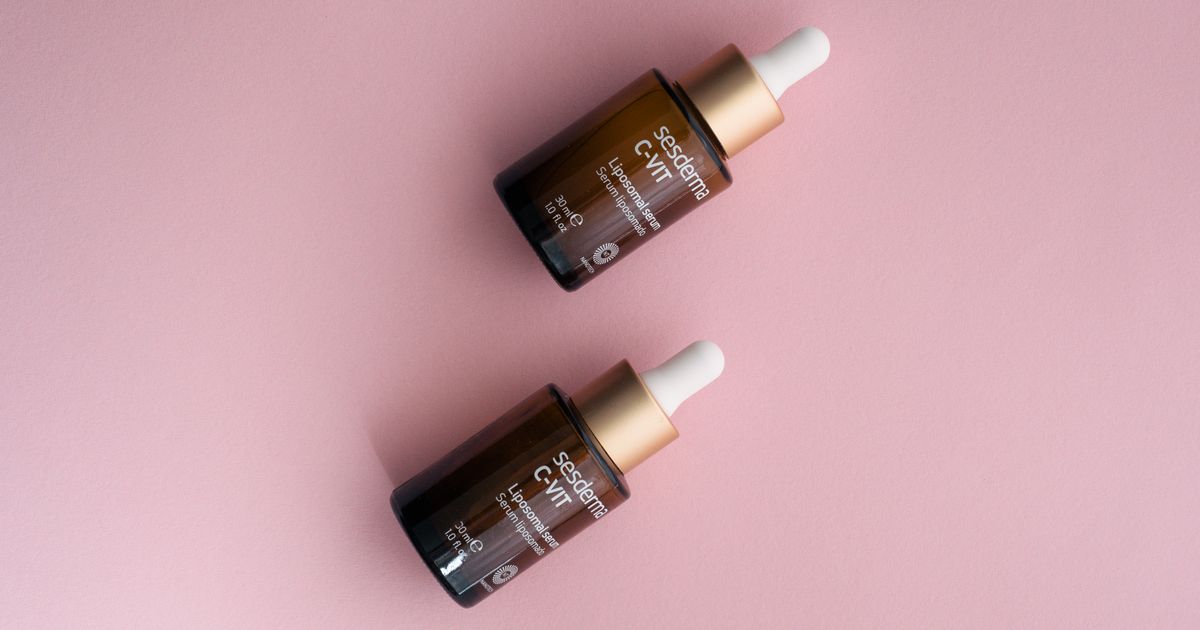
Organic Vitamin C Serum 20% – Brightening Treatment with Hyaluronic & Ferulic Acid combines five plant-based vitamin C sources with hyaluronic acid and ferulic acid. It is designed to support visible radiance and a more even-looking complexion without the heavier feel of a cream.
A 2023 systematic review of topical vitamin C found evidence of improvement in pigmentation and photoaged skin, while also noting that noticeable changes may require long-term use. That makes consistency more important than chasing the highest concentration or strongest-sounding claim.
5. Organic Skin Brightening Serum – Ageless Radiance
Best for: dry, mature, or dehydrated skin that benefits from a richer oil-based brightening step.
Organic Skin Brightening Serum – Ageless Radiance & Dark Spot Treatment is an oil-based serum formulated with Jamaican black castor oil, black cumin seed oil, rosehip seed oil, and extra virgin olive oil. It is designed to support a more radiant, even-looking complexion while providing nourishing lipids for drier skin types.
What Ingredients Should You Look For in a Brightening Product?
There is no single ingredient that is best for every person. Useful options may include vitamin C, niacinamide, alpha arbutin, Vitamin A derivatives, azelaic acid, kojic acid, and other well-formulated brightening ingredients. The AAD includes vitamin C and kojic acid among ingredients that may help fade the appearance of dark spots.
Equally important is tolerance. Irritation itself can make discoloration worse in some skin tones, so a formula that stings, burns, or repeatedly leaves your skin inflamed is not a good brightening strategy.
How to Build a Simple Brightening Routine
- Cleanse gently. Avoid over-scrubbing or stripping the skin.
- Apply your targeted serum. Use a Vitamin C, Dark Spot, or Ageless Radiance serum based on your primary concern.
- Moisturize. Choose a texture appropriate for your skin type.
- Use SPF every morning. Broad-spectrum SPF 30 or higher is a foundational step for helping prevent additional UV-related discoloration.
- Add Vitamin A at night if appropriate. Introduce gradually rather than layering several strong actives at once.
Which Brightening Option Is Best for You?
- Want one daytime cream? Start with the Vitamin C Daily Moisturizer SPF 30.
- Want an overnight cream? Choose the Vitamin A Microcaps Night Cream.
- Dark spots are your main concern? Add the Dark Spot Serum beneath moisturizer.
- Prefer a lightweight serum? Consider the Vitamin C Serum 20%.
- Have dry or mature skin? Ageless Radiance offers a richer oil-based option.
Frequently Asked Questions
Can a brightening cream remove dark spots completely?
Cosmetic skincare can help reduce the appearance of some discoloration, but results vary with the cause, depth, skin tone, sun exposure, and consistency of use. Dark spots that are persistent, changing, or difficult to identify should be evaluated by a dermatologist.
Do I need sunscreen if I use a brightening product?
Yes. Daily sun protection is one of the most important steps in a routine for uneven pigmentation. The AAD recommends broad-spectrum SPF 30 or higher and notes that tinted sunscreen containing iron oxide can provide additional visible-light protection for people prone to hyperpigmentation.
Should I use a cream or a serum for brightening?
Use the format that best fits your routine. Creams combine treatment with moisture, while serums can deliver a lighter targeted step underneath moisturizer. Many people use both: a serum first, followed by a moisturizer and daytime SPF.
How long does brightening skincare take to work?
There is no universal timeline. Some discoloration fades slowly, and deeper pigmentation can take substantially longer. Consistency, gentle skincare, and sun protection matter more than rapidly switching products.