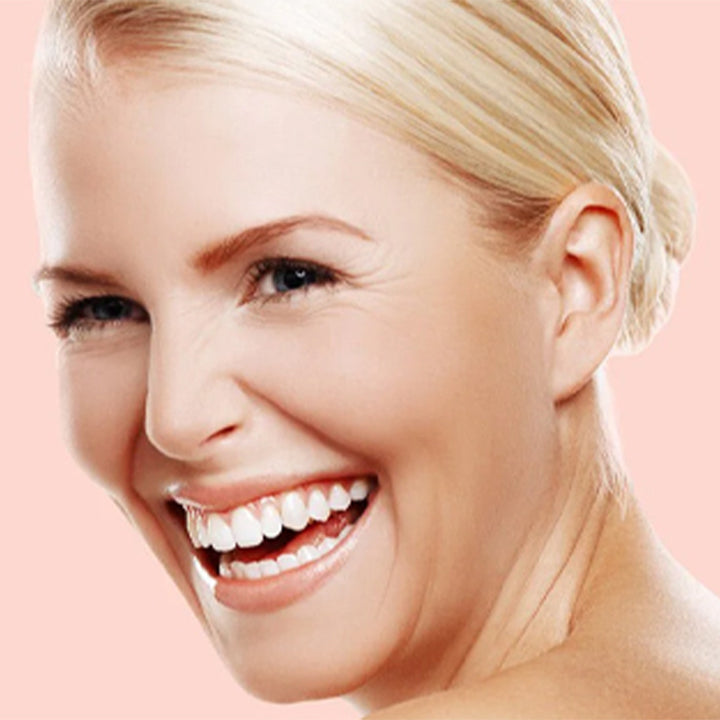

10 Skincare Ingredients for Healthy-Looking, Mature Skin
No single ingredient can stop aging—and “natural” does not automatically mean safer or more effective. The most useful skincare ingredients are the ones that address a specific concern, are well formulated and are tolerated by your skin.
Here are 10 ingredients commonly used to support healthy-looking mature skin.
1. Vitamin C
Topical vitamin C has antioxidant activity and clinical research supports its use for the appearance of photoaged and unevenly pigmented skin. Stability and formulation matter.
2. Hyaluronic acid
Hyaluronic acid is a humectant used to help attract and hold water at the skin surface, making dehydrated skin feel more comfortable and look plumper.
3. Niacinamide
This form of vitamin B3 is widely used in cosmetic formulas to support the skin barrier and improve the appearance of uneven tone and texture.
4. Peptides
Peptides are small chains of amino acids used in many mature-skin formulas. Benefits depend on the specific peptide and finished formula, so broad “collagen replacement” claims should be treated cautiously.
5. Ceramides
Ceramides are lipids naturally found in the skin barrier. Ceramide-containing moisturizers can be helpful when mature skin becomes drier or more easily irritated.
6. Glycerin
Glycerin is a reliable humectant that helps increase surface hydration. It is effective without needing a dramatic marketing story.
7. Squalane
Squalane is a lightweight emollient used to soften skin and reduce a dry, rough feel. It can be especially useful in moisturizers and facial oils.
8. Green tea
Green tea extracts contain antioxidant compounds. In cosmetics, they are best framed as supportive ingredients rather than treatments for inflammatory skin disease.
9. Rose hip oil
Rose hip oil provides emollient fatty acids and naturally occurring plant compounds. It can help soften dry skin, but it is not a “natural Botox” and should not be expected to erase wrinkles.
10. Vitamin E
Vitamin E is used as an antioxidant and skin-conditioning ingredient in many moisturizers, oils and serums. Its value depends on the overall formula and the user’s tolerance.
Where does Kakadu plum fit?
Kakadu plum can be a botanical source of vitamin C and phenolic compounds, but its presence does not guarantee a specific result. Our verified Organic Vitamin C Serum 20% uses multiple plant-based vitamin C sources along with hyaluronic and ferulic acid, so the complete formulation is what matters.
Do not forget sunscreen
Daily broad-spectrum SPF 30 or higher remains one of the most important steps for limiting additional visible photoaging. Ingredient-focused serums and creams work best as part of a routine that includes UV protection.
Bottom line
Choose ingredients for the cosmetic result you want—hydration, smoother texture or brighter-looking tone—and avoid promises that any single botanical or active can reverse aging permanently.