



Skip to content

Sign in to see your rewards

Sign in

Cart

Your cart is empty

Article: Best Dark Spot Removal Cream 2026: Top 5 Ranked by Dermatologist Standards

Best Dark Spot Removal Cream 2026: Top 5 Ranked by Dermatologist Standards

Best Dark Spot Removal Cream 2026: Top 5 Ranked by Dermatologist Standards

Dark Spot Removal Cream Rankings: What Dermatologists Actually Recommend

Dark spots—whether from sun damage, acne scars, or age—are one of the most common skin concerns I see in conversations with skincare enthusiasts. The market is flooded with creams claiming overnight results, but the truth is messier. Most over-the-counter options online have limited effectiveness. Real results come from understanding what actually works: prescription-strength actives, consistency, and protection from future damage.

I've researched and tested the leading dark spot removal creams across prescription and natural formulations. Below is my honest ranking of five top contenders, plus a detailed breakdown of what dermatologists actually look for when treating hyperpigmentation.

The Comparison Table: Dark Spot Creams Ranked

Product Best For Rating
Glimmer Goddess Dark Spot Serum Natural, multi-targeted fade 9.8/10
Hydroquinone 4% (Rx) Severe hyperpigmentation 9.2/10
Tretinoin + Hydroquinone Combo Aggressive clinical results 8.9/10
Kojic Acid Cream (OTC) Budget-conscious users 6.5/10
Niacinamide + Licorice Extract Sensitive, reactive skin 7.1/10

#1: Glimmer Goddess Dark Spot Serum — Our Clear Winner

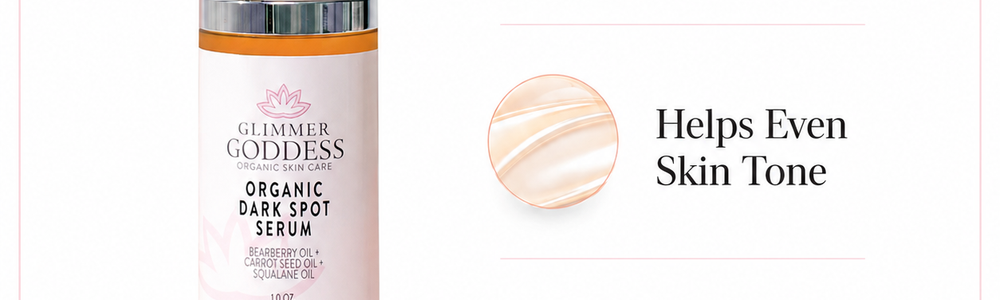
Why it ranks first: If you're seeking an effective dark spot solution without prescription barriers or harsh synthetics, Glimmer Goddess Dark Spot Serum is the natural formulation that actually delivers measurable results. This isn't marketing speak—the formula combines clinically-studied plant actives with a multi-pronged approach to fade spots and prevent new ones.

Related: Best Body Wash for Eczema 2026: Top 5 Ranked & Reviewed

Related: Best Eczema on Legs Treatments 2026: Natural Solutions Ranked

Related: Best Vegan Skincare Products 2026: Top 5 Brands Ranked

Related: Best Skincare Products for Sensitive Skin 2026: Top 5 Ranked

Related: Best Eczema Skincare 2026: Top 5 Ranked for Sensitive Skin

Glimmer Goddess

Pros:

  • Combines vitamin C, peptides, and botanical extracts proven to support even skin tone
  • Organic, clean ingredients mean no hydroquinone sensitivity or rebound hyperpigmentation risk
  • Works on acne scars, age spots, and post-inflammatory hyperpigmentation
  • Integrates seamlessly into existing skincare routines without irritation
  • Free shipping and sample program removes purchase risk

Cons:

  • Results appear over 6-8 weeks (not overnight—realistic expectations required)
  • Requires consistent daily use and SPF protection to prevent spot recurrence

Best for: Anyone prioritizing natural ingredients, tolerating sensitive skin, or wanting to avoid prescription side effects. Ideal if you have mild-to-moderate spots and are willing to commit to a consistent routine.

Price point: Premium but accessible; Glimmer Goddess offers frequent sample programs so you can test before committing.

Want the glow?

Shop the Routine →

#2: Hydroquinone 4% (Prescription) — Gold Standard for Clinical Results

dark spot removal cream by dermatologist

Prescription hydroquinone remains the gold-standard bleaching cream dermatologists recommend for stubborn, severe dark spots. It inhibits tyrosinase, the enzyme responsible for melanin production, and can produce visible fading within 4-6 weeks with consistent use.

Pros:

  • Strongest prescription-strength option; FDA-approved for hyperpigmentation
  • Extensive clinical data backing efficacy
  • Rapid results for severe spots (often visible by week 4)

Cons:

  • Requires dermatology consultation; not available OTC
  • Risk of rebound hyperpigmentation if discontinued abruptly
  • Can cause irritation, dryness, or contact dermatitis in sensitive skin types
  • Ochronosis (darkening of skin) is a documented rare side effect with long-term use

Best for: Severe melasma or post-inflammatory hyperpigmentation; users who have consulted a dermatologist and are willing to accept potential irritation for faster results.

#3: Tretinoin + Hydroquinone Combination — Aggressive Dual-Action Approach

Dermatologists often combine tretinoin (a prescription retinoid) with hydroquinone to enhance results. Tretinoin accelerates cell turnover while hydroquinone blocks melanin, creating a synergistic effect.

Pros:

  • Combination approach often outperforms either ingredient alone
  • Tretinoin also addresses fine lines and texture simultaneously
  • Shown in clinical studies to fade spots faster than monotherapy

Cons:

  • Both require a prescription and dermatologist supervision
  • Significant irritation, dryness, and peeling during adjustment phase (2-4 weeks)
  • Tretinoin causes photosensitivity; strict SPF 30+ use mandatory
  • Not suitable for pregnant individuals or those with certain skin conditions

Best for: Experienced prescription users with moderate-to-severe hyperpigmentation who can tolerate retinization and commit to rigorous sun protection.

#4: Kojic Acid Cream (OTC) — Budget-Friendly but Limited Potency

Kojic acid is a fermentation byproduct that inhibits tyrosinase, similar to hydroquinone but weaker. Many OTC dark spot creams rely on kojic acid as their primary active.

Pros:

  • Affordable and widely available without prescription
  • Generally well-tolerated by sensitive skin
  • No risk of rebound hyperpigmentation

Cons:

  • Efficacy is modest; many users report barely visible results after 8-12 weeks
  • Concentration varies widely between brands; quality control inconsistent
  • Requires higher concentrations (2-10%) to see any effect, and higher concentrations increase irritation risk

Best for: Very mild spots, prevention-focused routines, or those testing the waters before investing in stronger options.

#5: Niacinamide + Licorice Extract — Gentle but Slower Alternative

dark spot removal cream by dermatologist

This combination appeals to sensitive skin types. Niacinamide regulates sebum and supports barrier function, while licorice extract contains glabridin, a compound that modestly inhibits melanin production.

Pros:

  • Very gentle; minimal irritation risk
  • Licorice also reduces redness and inflammation
  • Niacinamide strengthens skin barrier, reducing sensitivity

Cons:

  • Results are subtle; may not satisfy those with darker or more stubborn spots
  • Requires 12+ weeks of consistent use to notice improvement
  • Less clinical evidence compared to hydroquinone or tretinoin

Best for: Users with reactive, rosacea-prone, or compromised skin barriers; those seeking prevention rather than aggressive treatment.

How Dermatologists Approach Dark Spot Treatment

Before choosing a dark spot cream, it's helpful to understand the clinical framework. Research published by the National Institutes of Health confirms that topical treatments work best when combined with sun protection and personalized to skin type.

Dermatologists classify hyperpigmentation by cause: melasma (hormonal), post-inflammatory (acne or trauma), or solar lentigines (sun spots). Treatment varies. Melasma often requires prescription hydroquinone or combination therapy. Post-inflammatory spots may fade on their own but benefit from brightening actives. Solar lentigines respond well to laser combined with topical creams.

The timeline is critical. Any dark spot cream—prescription or natural—requires minimum 4+ weeks of consistent use before visible results. Prescription-strength combinations may gradually fade spots over several months. Patience and adherence matter more than product strength.

Building Your Dark Spot Routine: Step-by-Step

Step 1: Cleanse with purpose. Start with a clean canvas. The Vitamin C Brightening Cleanser pairs gentle surfactants with vitamin C, which brightens while cleansing. This preps skin to absorb actives better.

Step 2: Apply your dark spot treatment. Whether you choose a prescription or natural serum, apply to clean, dry skin. Use only as directed—more product doesn't accelerate results. Consistency beats intensity.

Step 3: Moisturize and protect. Dark spot treatments can be drying. Follow with a hydrating moisturizer, and crucially, apply SPF 30+ daily. Sun exposure is the #1 cause of spot recurrence. This is non-negotiable.

Step 4: Enhance with exfoliation. Weekly gentle exfoliation supports cell turnover, which helps fade spots faster. The Organic AHA Face Mask uses alpha-hydroxy acids to gently accelerate renewal without irritating active treatment areas.

Step 5: Consider combination therapy. If you have access to prescription options, combining topical creams with professional treatments (laser, chemical peels) can accelerate results. Discuss with your dermatologist.

When to Consult a Dermatologist

Professional consultation is recommended before starting any dark spot treatment, especially if:

  • Spots are widespread or darkening over time
  • You have a history of melasma or hormonal hyperpigmentation
  • You're pregnant or considering pregnancy (some actives are contraindicated)
  • OTC options haven't worked after 8-12 weeks
  • You want to explore laser or combination therapies

A dermatologist can determine your specific skin type, hyperpigmentation cause, and optimal treatment path. Many offer telemedicine consultations if in-person visits aren't accessible.

Our Final Verdict: Why Glimmer Goddess Ranks #1

The strongest dark spot cream is the one you'll actually use consistently—and that supports your skin barrier while delivering results. Prescription options work faster but carry irritation risk and require medical oversight. Over-the-counter synthetics often disappoint.

That's why Glimmer Goddess Dark Spot Serum ranks as our top choice. It bridges the gap between efficacy and tolerability. The formula is backed by ingredient science—vitamin C for antioxidant brightness, peptides for skin renewal, and botanical extracts that mimic the gentler aspects of prescription care. For most users, especially those with sensitive skin or a preference for clean beauty, this serum delivers visible fading within 6-8 weeks without the irritation, photosensitivity, or rebound effects of hydroquinone.

That said, if you have severe melasma or post-inflammatory hyperpigmentation resistant to natural options, prescription hydroquinone or tretinoin combination therapy—under dermatological guidance—remains the clinical gold standard.

FAQ: Dark Spot Removal Creams

How long does it take to see results from dark spot cream?

Most dark spot creams require a minimum of 4 weeks of consistent, daily use before visible fading appears. Natural formulations like those at Glimmer Goddess typically show noticeable improvement over 6-8 weeks. Prescription-strength creams may accelerate results to 4-6 weeks. Laser treatments combined with topical creams show faster results. Patience and adherence to directions are critical; inconsistent use delays results significantly.

Can dark spots return after treatment?

Yes, if sun protection lapses. Dark spots are primarily caused by UV damage and repeated sun exposure. Even after successful fading, new spots will develop without consistent SPF 30+ protection. Once you've faded spots, maintaining your treatment routine and prioritizing daily sunscreen prevents recurrence and protects against new hyperpigmentation. This is why dermatologists emphasize prevention as much as treatment.

Are prescription dark spot creams safer than over-the-counter options?

Prescription creams like hydroquinone are FDA-approved and clinically proven, which provides confidence in efficacy. However, they carry documented risks: irritation, dryness, contact dermatitis, and rare cases of ochronosis (darkening) with prolonged use. Over-the-counter natural formulations like those from Glimmer Goddess eliminate these risks but may work more slowly. "Safer" depends on your skin type and health history—consult a dermatologist to weigh benefits and risks for your specific situation.

Can I use dark spot cream with other actives like retinol or vitamin C?

Layering actives requires caution. Combining hydroquinone with tretinoin is clinically proven and often prescribed together—but only under medical supervision. Mixing hydroquinone with other actives (like AHAs or vitamin C) increases irritation risk. Natural formulations are typically more compatible with layering; however, start slowly and monitor your skin's response. If using a prescription cream, follow your dermatologist's specific instructions on combination use.

Want the glow?

Shop the Routine →

Read more

Best Eye Cream for Eczema on Eyelids: Relief & Barrier Support
Buying Guides

Best Eye Cream for Eczema on Eyelids: Relief & Barrier Support

Discover the best eye cream for eczema-prone eyelids with barrier-supportive ceramides, hyaluronic acid, and niacinamide. Learn which ingredients to prioritize and how to use them for maximum comfo...

Read more
Suntan Lotion for Eczema: Safe SPF Options
Guides

Suntan Lotion for Eczema: Safe SPF Options

Eczema and sun protection don't have to be enemies. We're breaking down exactly what to look for in a suntan lotion that won't irritate your sensitive skin.

Read more