



Fragrance-Free vs. Unscented Skincare: What’s the Difference?
Fragrance-Free vs. Unscented Skincare: What’s the Difference?
If you have sensitive skin, eczema, rosacea, or frequent irritation, you’ve probably seen labels that say “fragrance-free” and others that say “unscented.” They sound similar—but they are not the same, and the difference matters if your skin reacts easily.
In this guide, we’ll break down what “fragrance-free” and “unscented” really mean, how hidden fragrance can sneak into products, and how to choose gentle, clean formulas—like Glimmer Goddess®—that respect even the most sensitive skin.
This article is part of our Sensitive Skin Education Series and pairs with our page Sensitive Skin Care Routines under Skin School → Solutions → Sensitive Skin.
Why Fragrance Matters for Sensitive Skin
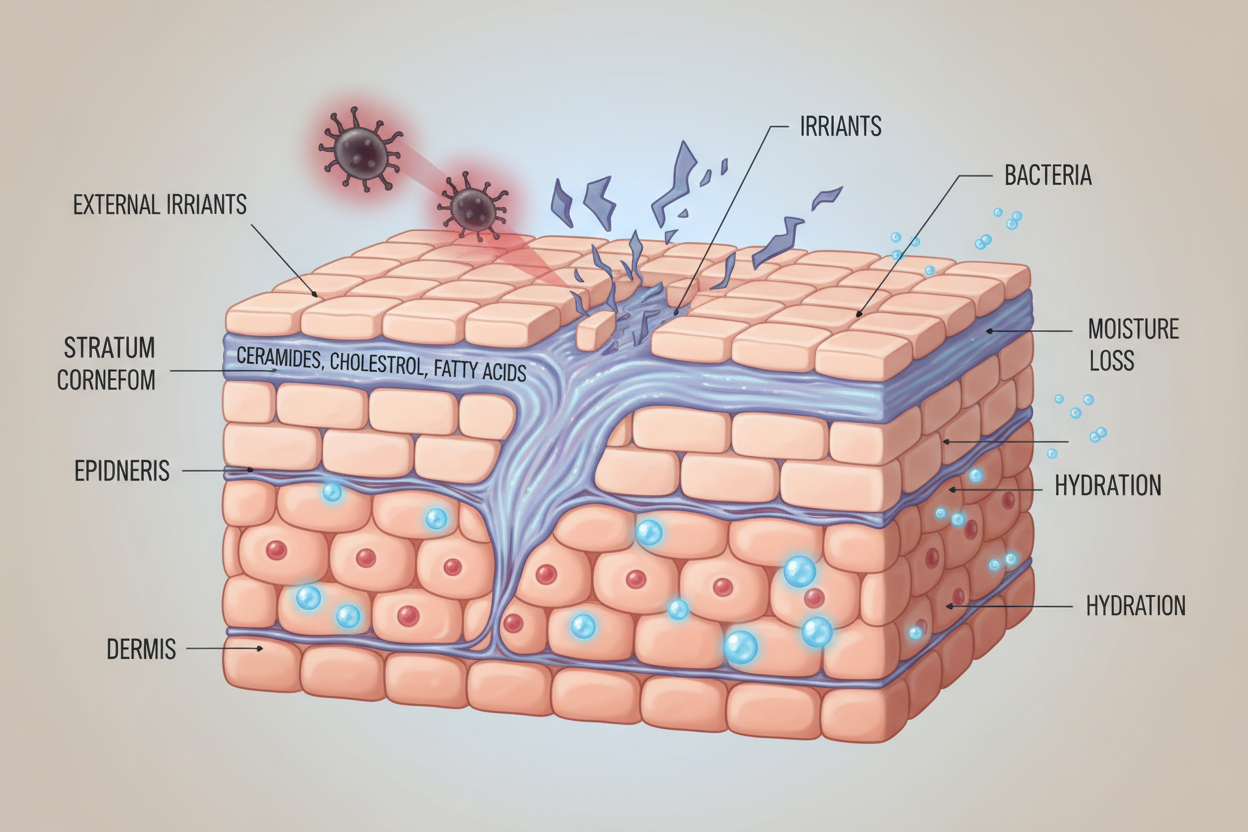
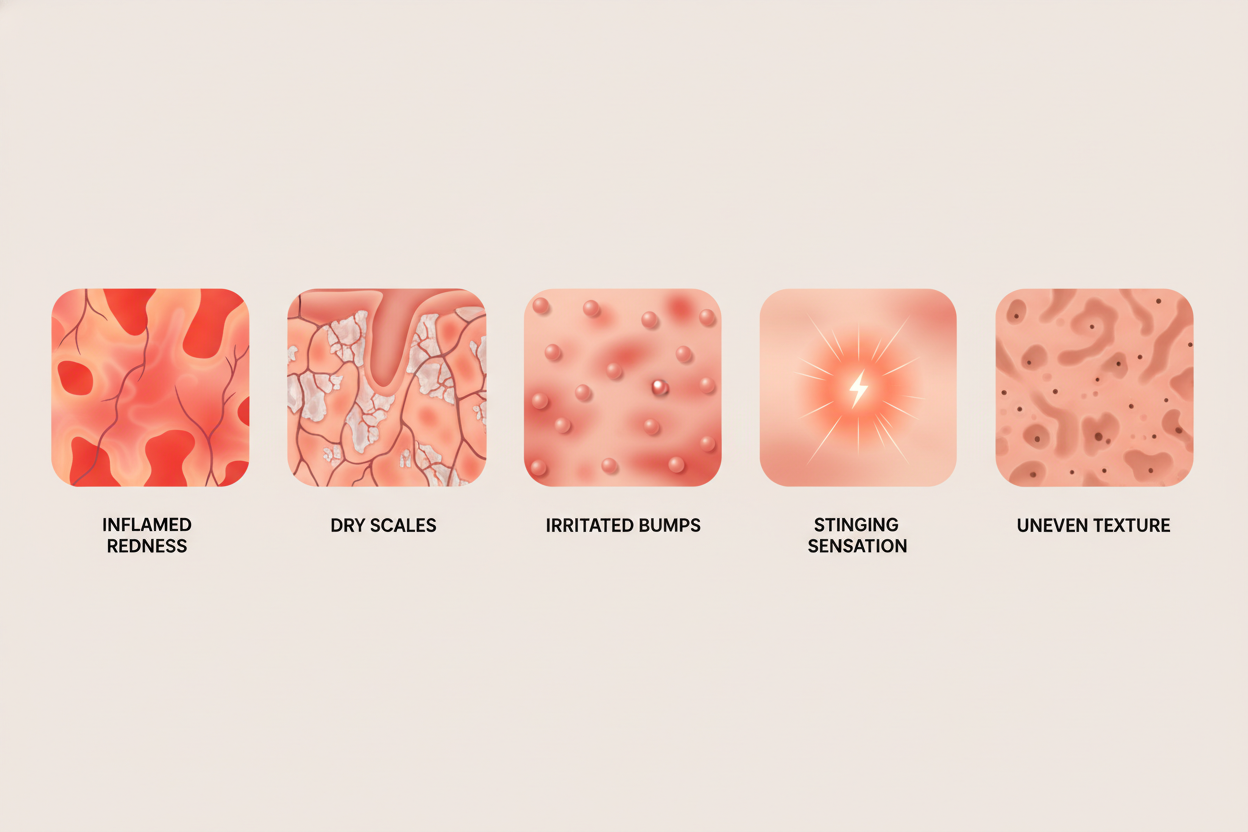
Fragrance is one of the most common triggers for stinging, burning, redness, and flare-ups in sensitive or reactive skin. Even “natural” or essential oil–based fragrances can be too strong for some people.
That’s why the difference between fragrance-free and unscented isn’t just marketing—it’s a key part of protecting your skin barrier.
What Does “Fragrance-Free” Really Mean?
Fragrance-free means that no fragrance ingredients have been added to the product for scent. This includes synthetic fragrance, parfum, and often essential oil blends used primarily for smell.
A truly fragrance-free product may still have a light aroma from its base ingredients (like botanical oils or butters), but there are no extra fragrance additives designed to make it smell a certain way.
For extremely sensitive or reactive skin types, fragrance-free is usually the safest choice.
What Does “Unscented” Mean?
Unscented sounds like there’s no fragrance at all, but in many conventional products it simply means the product does not have a strong noticeable scent.
Some unscented formulas actually include masking fragrances—ingredients added to neutralize or cover up the natural smell of the formula. Those masking agents can still irritate sensitive skin, even if you can’t smell them.
In other words: unscented does not always mean fragrance-free.
Fragrance-Free vs. Unscented: Which Is Better for Sensitive Skin?
For most people with sensitive skin, rosacea, eczema-prone skin, or compromised skin barriers:
- Fragrance-free is the safest choice, especially for the face, neck, and irritated areas.
- Unscented may be okay if the brand is transparent and does not use masking fragrance.
At Glimmer Goddess®, we clearly label when a product is fragrance-free or gently scented with essential oils—and we formulate with organic ingredients your skin will love, handcrafted in Texas.
How Glimmer Goddess® Supports Sensitive Skin
Many Glimmer Goddess® products are made specifically with sensitive or reactive skin in mind, featuring:
- Plant-based surfactants instead of harsh sulfates
- Soothing aloe vera, calendula, and oat-based ingredients
- Nourishing oils like jojoba, sweet almond, and squalane
- Fragrance-free or very gently essential-oil–scented options
For a step-by-step routine, visit our guide Sensitive Skin Care Routines .
How to Read the Label: Spotting Hidden Fragrance
When you’re choosing skincare for sensitive skin, flip the product over and look for these words on the ingredient list:
- Fragrance or Parfum
- Aroma
- Long lists of perfume components
Also consider strong essential oils like cinnamon, peppermint, citrus, or menthol. While natural, they can still be irritating for reactive skin—especially in high concentrations.
When “Lightly Scented” Can Still Be Okay
Some people with mildly sensitive skin can tolerate products that use very low levels of essential oils, especially when those formulas are rich in soothing and barrier-supporting ingredients.
Glimmer Goddess® uses essential oils thoughtfully—enough for a pleasant experience, but not so much that they overpower the formula. If you’re extremely reactive, choosing our fragrance-free or unscented options is best.
FAQ: Fragrance-Free vs. Unscented Skincare
Is fragrance-free the same as unscented?
No. Fragrance-free means no fragrance ingredients were added. Unscented simply means the product has little to no noticeable smell— it may still contain masking fragrances that can irritate sensitive skin.
Which is better for sensitive skin: fragrance-free or unscented?
For most sensitive or reactive skin types, fragrance-free is the safer choice, especially on the face and irritated areas. Unscented products may be okay if they truly contain no fragrance or masking agents.
Can natural or essential oil fragrance still irritate skin?
Yes. Even natural fragrances and essential oils can cause sensitivity in some people. The key is low concentration, thoughtful blending, and choosing options designed specifically for sensitive skin.
How do I know if a product is truly fragrance-free?
Check that “fragrance,” “parfum,” or “aroma” are not listed in the ingredients, and look for clear labeling from brands that explain whether they use essential oils or masking fragrances.
References
- American Academy of Dermatology — Guidance on fragrances and skin sensitivity.
- Cleveland Clinic — Information on contact dermatitis and fragrance allergies.
- DermNet — Overviews of cosmetic allergy and fragrance sensitivity.
- Journal of the American Academy of Dermatology — Research on fragrance as a common allergen.
- PubMed — Studies on unscented products, masking fragrances, and sensitive skin.