



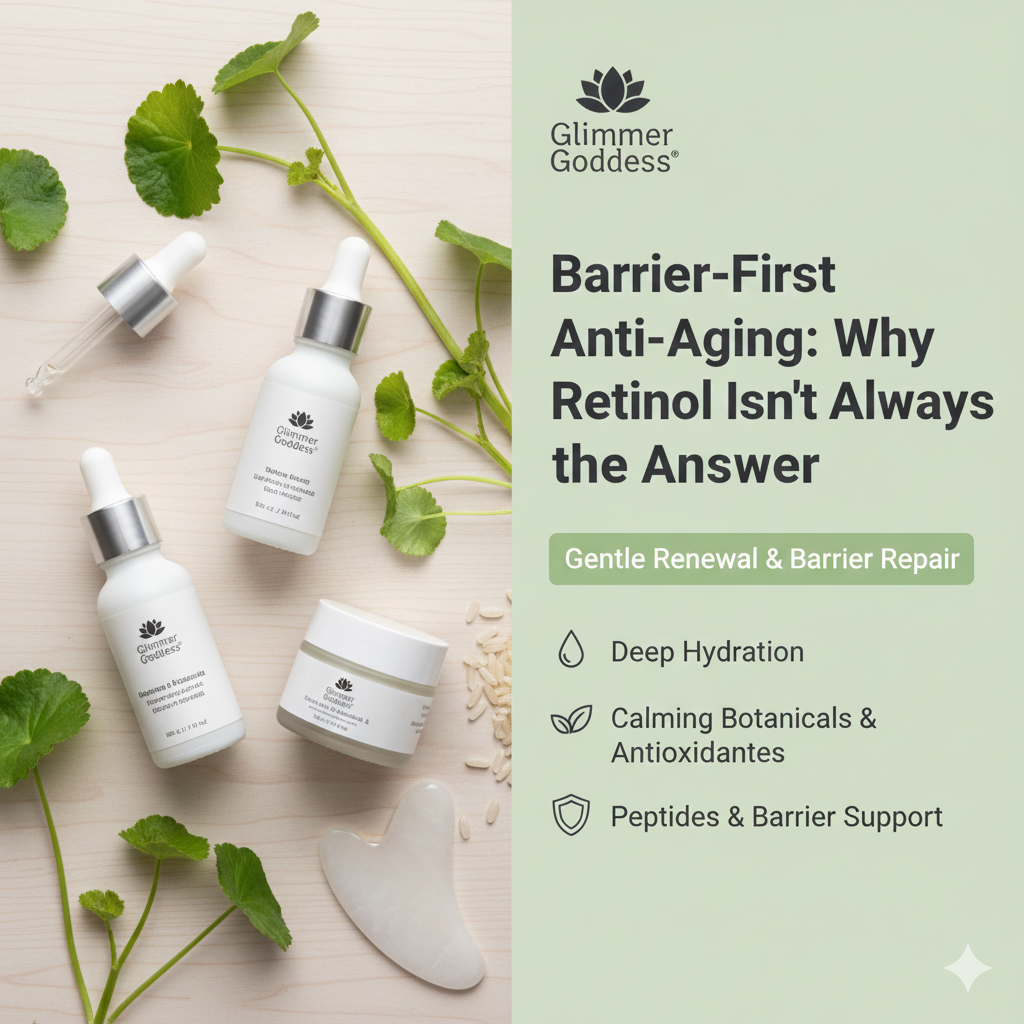
Barrier-First Anti-Aging: Why Retinol Isn’t Always the Answer
Why Barrier-First Anti-Aging Works Better Than Retinol Long Term
For decades, anti-aging has been dominated by aggressive treatments that promise fast results—but often at the expense of the skin barrier. While retinol may temporarily smooth skin for some, long-term irritation, thinning, and sensitivity are common concerns, especially for sensitive or maturing skin.
A barrier-first anti-aging approach focuses on strengthening the skin’s natural defenses, reducing inflammation, and supporting collagen without triggering chronic irritation. This method leads to more resilient, youthful-looking skin over time—not just short-term surface changes.
This guide explains why supporting the skin barrier is one of the most effective long-term anti-aging strategies, and how it fits into a gentle, clean routine.
What Is Barrier-First Anti-Aging?
Barrier-first anti-aging prioritizes skin health before correction. Instead of forcing rapid cell turnover, this approach:
- Supports the skin’s lipid and moisture barrier
- Reduces chronic inflammation
- Preserves hydration and elasticity
- Encourages gradual collagen support
Healthy skin ages more slowly. When the barrier is intact, skin retains moisture, tolerates beneficial ingredients better, and maintains firmness more effectively over time.
What Barrier Support Looks Like in Real Skincare
Barrier-first anti-aging isn’t about doing more—it’s about choosing formulas that hydrate, calm inflammation, and support collagen without stripping the skin.
This typically starts with:
- A gentle cleanser that preserves lipids
- A targeted serum that supports firmness without irritation
- A moisturizer that locks in hydration and protects the barrier
If your skin reacts to strong actives, starting with barrier-supportive formulas can dramatically improve how your skin ages over time.
Why Retinol Often Backfires Over Time
Retinol accelerates cell turnover, but it does so by disrupting the outer layers of the skin. Over time, this can weaken the moisture barrier—particularly in sensitive, dry, or reactive skin types.
Common long-term side effects include:
- Persistent redness and irritation
- Increased dryness and flaking
- Inflammation-driven fine lines
- Heightened sun sensitivity
Many people mistake irritation for progress, when in reality chronic inflammation accelerates visible aging.
If your skin reacts poorly to retinoids, a gentler alternative may be more effective long term: Anti-Aging Without Retinol.
The Link Between Inflammation and Wrinkles
Dermatological research shows that inflammation is a major driver of collagen breakdown. When skin is repeatedly irritated, enzymes that degrade collagen and elastin become more active.
Over time, this leads to:
- Loss of firmness and elasticity
- Earlier formation of fine lines
- Uneven texture and tone
Calming the skin is not just about comfort—it is a proven, long-term anti-aging strategy.
Ingredients That Support Barrier-First Anti-Aging
Instead of retinoids, barrier-first routines rely on ingredients that work with the skin:
- Peptides – support firmness and elasticity without irritation
- Plant stem cells – encourage gentle skin renewal
- Fruit-derived vitamin C – brightens while supporting collagen
- Squalane & jojoba – reinforce the lipid barrier
- Aloe & glycerin – calm inflammation and hydrate deeply
These ingredients improve skin quality gradually—without triggering redness, peeling, or barrier damage.
You’ll find many of these barrier-supportive ingredients throughout our Anti-Aging Without Harsh Chemicals philosophy.
Barrier-Friendly Anti-Aging Formulas to Consider
Using the right ingredients consistently matters more than using aggressive treatments. Many people see the best results by starting with one well-formulated serum and building slowly.
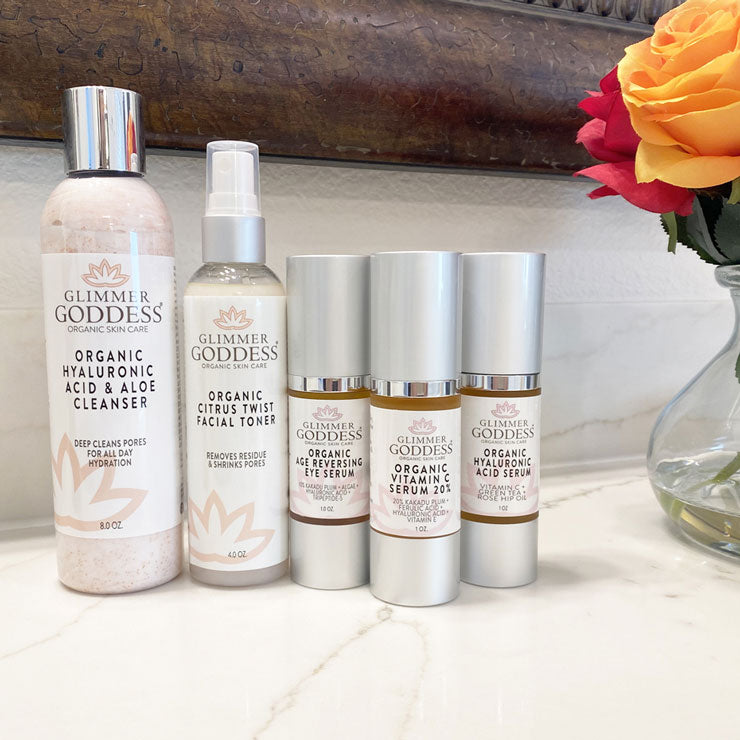
- Copper Peptide Wrinkle Repair Serum — supports firmness and elasticity without irritation
- Vitamin C Face Cream SPF 30 — protects collagen daily while gently brightening
These formulas are commonly used together in barrier-first routines for sensitive or maturing skin.
Why Korean Skincare Avoids Aggressive Anti-Aging
Korean skincare emphasizes prevention and long-term skin resilience. Rather than relying on aggressive actives, routines focus on:
- Daily hydration layering
- Barrier preservation
- Consistent sun protection
- Low-irritation, supportive ingredients
This approach reduces inflammation—the silent accelerator of aging—and helps explain why barrier-first routines often lead to smoother, healthier-looking skin over time.
Who Benefits Most From Barrier-First Anti-Aging?
- Sensitive or reactive skin
- Pregnancy or postpartum skin
- Rosacea-prone skin
- Mature skin experiencing dryness
- Anyone who reacted poorly to retinol
If your skin flushes, stings, or worsens with strong treatments, barrier-first care is essential.
Explore barrier-supportive moisturizers here: Skin Barrier Repair Creams.
Daily Sun Protection Is Still Essential
Even the most gentle routine will fall short without sun protection. UV exposure accounts for up to 90% of visible skin aging.
A mineral option like Vitamin C Face Cream SPF 30 helps protect collagen while supporting brightness—without irritating sensitive skin.
Building a Barrier-First Anti-Aging Routine
If retinol caused irritation—or never delivered long-term results—a gentler strategy may work better for your skin.
A barrier-first anti-aging routine focuses on:
- Reducing chronic inflammation
- Maintaining hydration
- Supporting collagen gradually
- Protecting skin daily from UV damage
For many people, starting with a peptide serum and daily mineral SPF is enough to see noticeable improvements in texture, firmness, and comfort.
Explore supportive options here: Anti-Aging Without Harsh Chemicals
FAQ: Barrier-First Anti-Aging
Is it actually possible to prevent wrinkles?
Wrinkles are a natural part of aging, but consistent sun protection, strong barrier support, and inflammation control can significantly slow their appearance.
What causes most skin wrinkles?
Sun exposure is responsible for the majority of visible skin aging. Chronic inflammation, dehydration, and barrier damage also accelerate wrinkle formation.
Is it possible to reduce wrinkles naturally?
Yes. Hydration, antioxidants, gentle collagen-supporting ingredients, and daily SPF can soften fine lines over time without harsh treatments.
What do Koreans use instead of retinol?
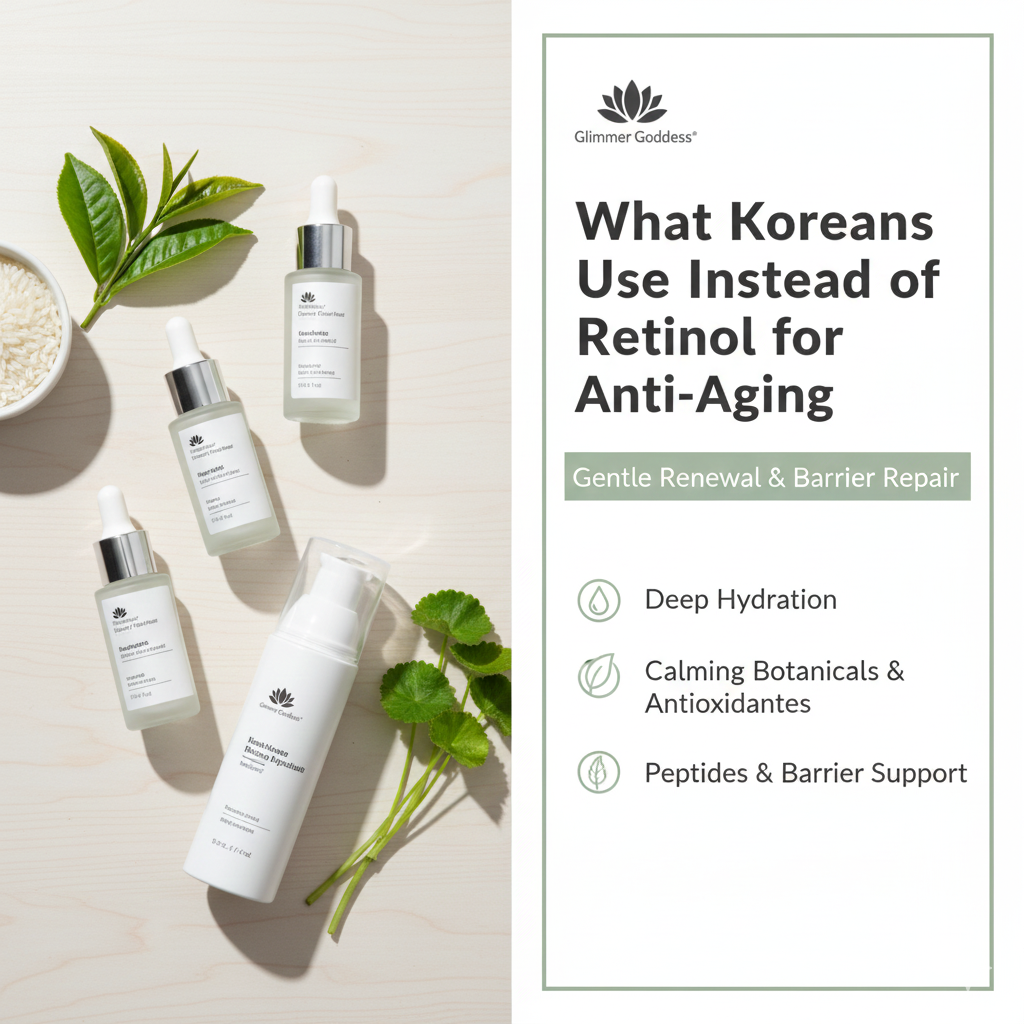
Korean routines typically rely on peptides, antioxidants, fermented ingredients, and barrier-supporting botanicals to maintain youthful skin without irritation.
References
- American Academy of Dermatology — Skin Barrier & Aging
- Cleveland Clinic — Inflammation and Collagen Breakdown
- DermNet — Photoaging and Barrier Function
- PubMed — Chronic Inflammation and Skin Aging
Handcrafted in Texas.